The Banff Park Museum sits right on Banff Avenue in the core of downtown Banff, making it one of the most accessible landmarks in Banff National Park. Built in 1903, it is the oldest surviving federal building in any Canadian national park, and staying close means you're embedded in the highest-density zone for dining, retail, and trailhead access in the entire park. This guide covers 4 central hotels near Banff Park Museum - from a heritage lodge to an intimate B&B - to help you match your stay to your travel style and budget.
What It's Like Staying Near Banff Park Museum
The Banff Park Museum is located directly on Banff Avenue, the main commercial spine of downtown Banff, which means hotels in this zone sit within the town's busiest pedestrian corridor. Banff Avenue sees wall-to-wall foot traffic during summer, with July being the peak, so expect noise from street-level rooms unless your hotel sits slightly off the main drag on a side street like Bear Street or Muskrat Street. That said, most key attractions - the Whyte Museum, Bow River Trail, and the Cave and Basin National Historic Site - are within a flat, walkable radius, making a car largely unnecessary during your stay.
Transport in and around downtown Banff runs on the Roam Transit network, with bus stops on Banff Avenue servicing connections to the Banff Gondola, Lake Louise, and Sunshine Village. For visitors focused on daytime sightseeing within town, around 90% of downtown landmarks are reachable on foot from a central hotel.
Pros:
- * Banff Park Museum, Whyte Museum, and Bow River access all within walking distance
- * Roam Transit stops on Banff Avenue connect to ski resorts and the Gondola without a car
- * Surrounded by restaurants, outfitters, and grocery options - no need to drive for basics
Cons:
- * Banff Avenue is heavily congested July through August; street-facing rooms can be loud at night
- * Parking in central Banff is limited and often requires a fee, even at hotels
- * The central zone attracts the highest hotel rates in the park, especially on weekends
Why Choose a Central Hotel Near Banff Park Museum
Central hotels near Banff Park Museum occupy the most walkable real estate in Banff National Park, which translates directly into saved time and transport costs for guests who plan to explore on foot. In this zone, you're choosing location efficiency over space - rooms in downtown Banff properties tend to run smaller than resort-style options further out, but you eliminate the need for a daily rental car for in-town movement. Compared to resort properties sitting 2 or more kilometres from the museum, a central hotel typically commands a price premium, but offsets it by cutting out shuttle fees and reducing time spent commuting between sights.
The trade-off is real: on summer evenings, Bear Street and Banff Avenue stay active until late, meaning noise is a genuine concern. Properties positioned one block off the main avenue - closer to Lynx Street or Muskrat Street - tend to offer a noticeably quieter night environment while still keeping the Banff Park Museum a short walk away. Travelers prioritizing a self-guided, walkable itinerary get the best value from a central Banff stay.
Pros:
- * Walk-only access to the Banff Park Museum, Bear Street dining, and Bow River trailheads
- * Eliminates daily car rental costs for guests staying exclusively within town
- * Higher density of dining and entertainment options immediately outside the door
Cons:
- * Room sizes tend to be smaller than resort or outlying lodge properties
- * Street noise from Banff Avenue is a real factor in summer nights
- * Price per night runs higher than comparable rooms outside the immediate downtown core
Practical Booking & Area Strategy
The Banff Park Museum sits at 91 Banff Avenue, essentially at the southern end of the main shopping stretch, just steps from the Bow River bridge. Hotels on or near Banff Avenue between Wolf Street and Caribou Street put you within a 5-minute walk of the museum, while properties closer to Muskrat Street or Lynx Street still offer easy foot access with slightly less street exposure. Banff Avenue and Bear Street are the two key corridors to anchor your accommodation search - Bear Street in particular offers a calmer atmosphere while keeping you central. The Whyte Museum of the Canadian Rockies is under 1 km from the museum, and the Cave and Basin National Historic Site is a 2.5 km walk or short Roam Transit ride away, making this zone the logical base for a culture-heavy Banff itinerary.
Book central Banff properties at least 6 weeks ahead for summer travel - availability drops sharply by early June for July and August dates. For ski season visits between December and March, proximity to Roam Transit stops on Banff Avenue matters more than proximity to the museum itself, as the bus network connects directly to Sunshine Village and Mount Norquay. Shoulder season in May or September offers the same walkable access to the Banff Park Museum with meaningfully lower rates and thinner crowds on Banff Avenue.
Best Value Stays
These properties offer strong central positioning near Banff Park Museum without the full-service resort price tag, making them the practical choice for guests who want walkable access to downtown Banff and keep accommodation costs in check.
-
1. Mountain View Bed & Breakfast
Show on map


 Check-infrom 16:00 until 20:00Check-outfrom 10:00 until 11:00
Just a few rooms left at the best rate!
fromC$ 262
-
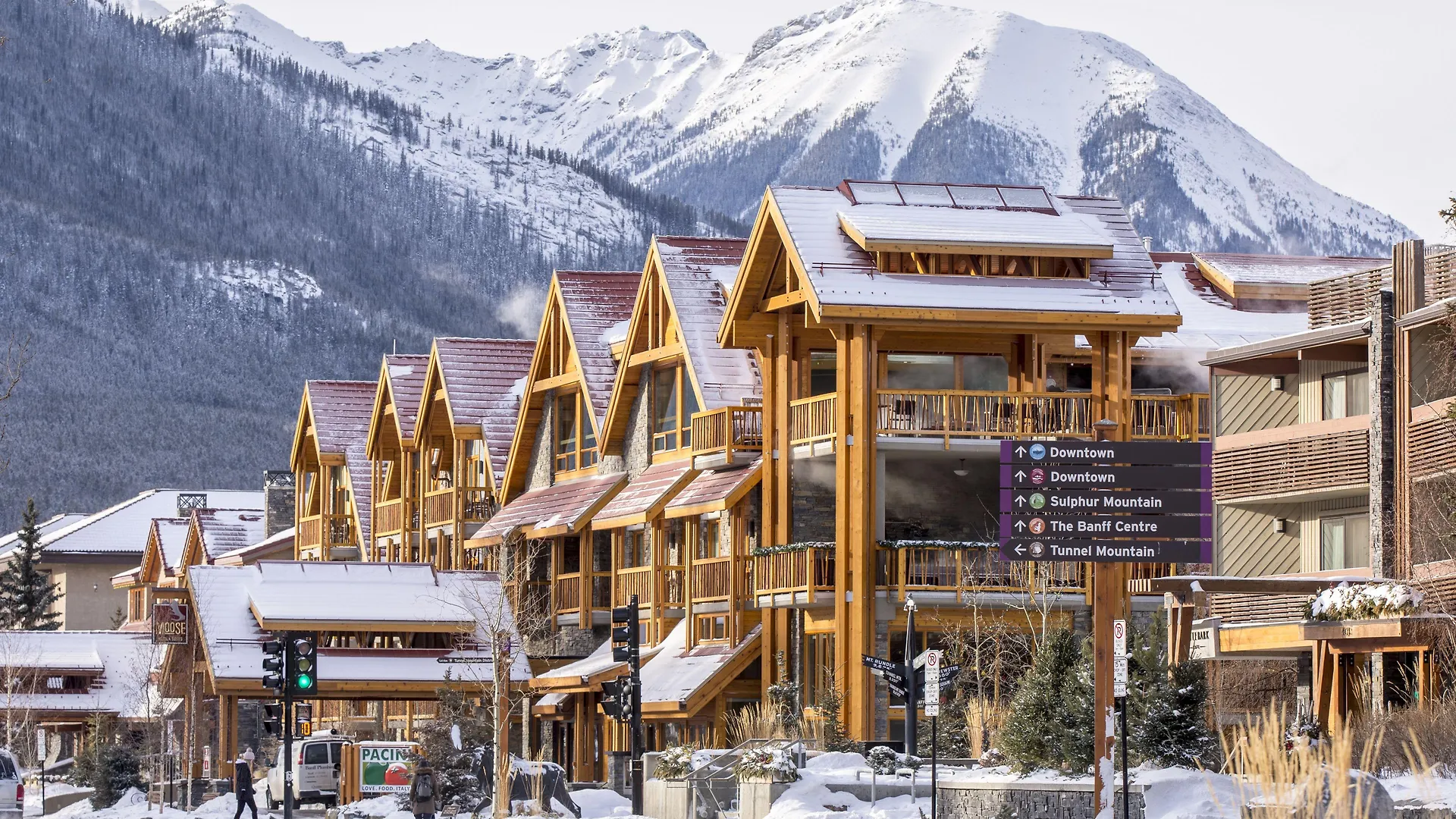
2. Moose Hotel And Suites
Show on map


 Check-infrom 16:00 until 23:59Check-outuntil 11:00
Just a few rooms left at the best rate!
fromC$ 331
Best Premium Stays
These properties deliver elevated amenities and more spacious accommodations for guests who want a full-service experience within reach of Banff Park Museum and the broader downtown Banff area.
-
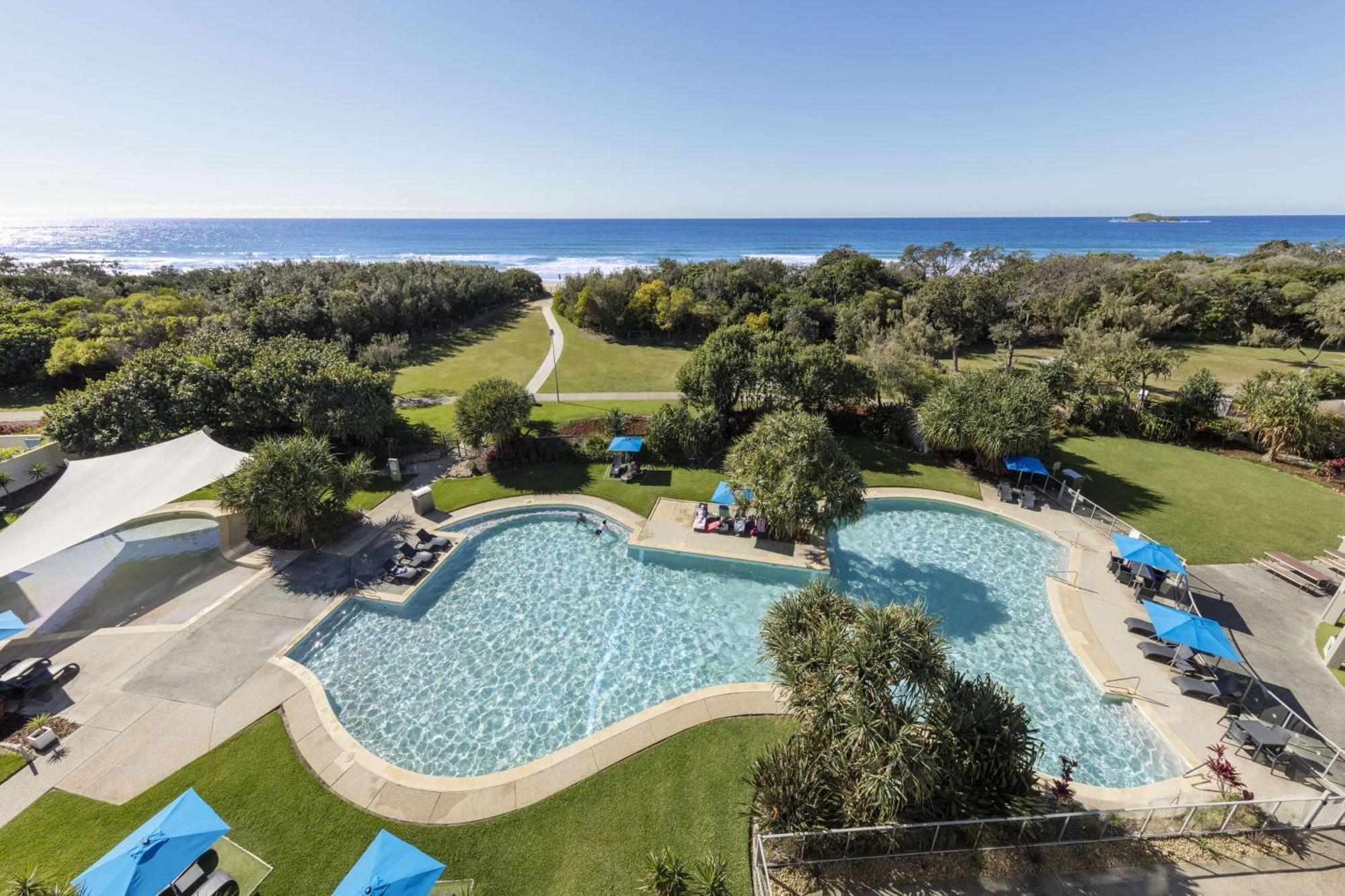
3. Royal Canadian Lodge
Show on map


 Check-infrom 16:00 until 23:59Check-outuntil 11:00
Hurry – almost gone at this price!
fromC$ 226
-
4. Fairmont Banff Springs
Show on map


 Check-infrom 16:00 until 23:59Check-outuntil 12:00
Rooms filling fast – secure the best rate!
fromC$ 1637
Smart Travel & Timing Advice for Banff Park Museum Visitors
July is the single most congested month in Banff, when Banff Avenue operates at near-maximum pedestrian density and hotel rates in the central zone reach their peak - booking windows for prime central properties should open at least 6 weeks ahead for this period. The Banff Park Museum itself can be explored in as little as 30 minutes, but its location makes it a natural anchor for a full day of downtown sightseeing, pairing logically with the Whyte Museum, Bear Street restaurants, and the Bow River Trail in a single walkable loop. For visitors whose main goal is outdoor activity - hiking, skiing, or gondola rides - the shoulder months of May, early June, September, and October deliver the same central access to the museum with noticeably fewer crowds on Banff Avenue and more room to negotiate rates at downtown properties.
A stay of 3 nights in central Banff gives sufficient time to walk the museum corridor, access the Cave and Basin National Historic Site, and complete at least one full-day excursion to Lake Louise or the Icefields Parkway. Winter visitors (December-March) should prioritize properties close to Roam Transit stops, as ski resort shuttle access becomes the primary transport need over proximity to the museum itself. Last-minute bookings in central Banff are a genuine risk year-round - the town has limited hotel inventory relative to visitor demand, and even off-peak weekends fill quickly.