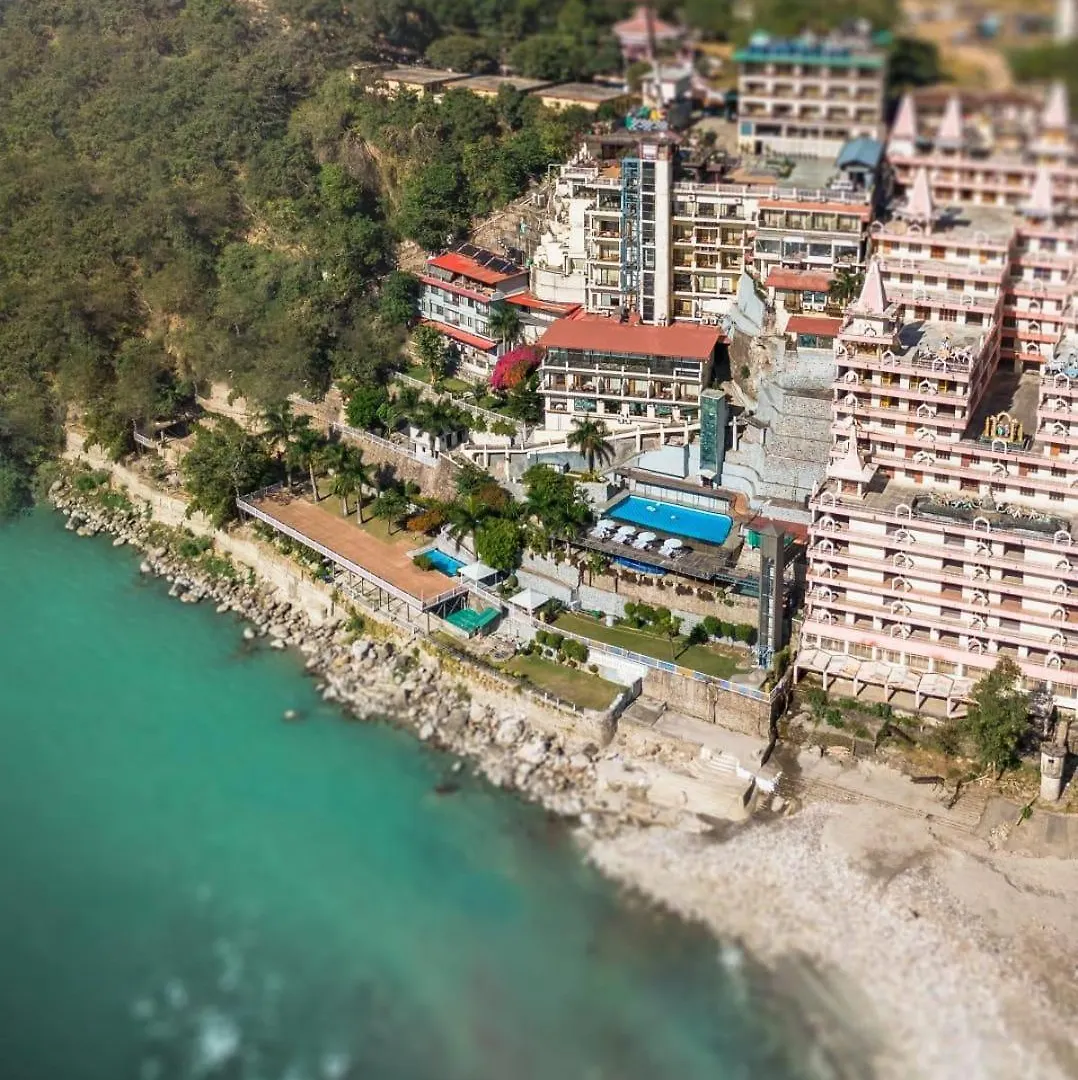
Rishikesh draws thousands of travelers each year specifically for white-water rafting on the Ganges, with Grade III-IV rapids between Shivpuri and Marine Drive being the most sought-after stretches. Staying in a resort within or directly adjacent to this rafting corridor means you can reach the launch points without a long morning commute - a real advantage when most operators start at dawn. This guide covers 4 resorts positioned in and around the Rishikesh rafting zone, breaking down what each property actually offers so you can make a practical booking decision.
What It's Like Staying in the River Rafting Zone of Rishikesh
The rafting corridor in Rishikesh runs roughly along the Ganges between Shivpuri upstream and Laxman Jhula downstream, and staying inside this stretch means mornings begin with river sounds rather than traffic noise. Laxman Jhula is the main pedestrian and logistics hub of this zone - most rafting operators, gear rental shops, and riverside cafés cluster within 1 km of the suspension bridge. Rickshaws and shared jeeps connect the zone to Rishikesh town center in around 20 minutes, but the riverside roads can get congested during peak season from October to March, adding real time to any commute.
Why Choose a Resort in Rishikesh's Rafting Zone
Resorts in the Rishikesh rafting corridor offer something very specific: riverside positioning combined with on-site amenities like pools, spas, and yoga decks that smaller guesthouses in the area simply cannot match. The spa and wellness offerings at these resorts function as a direct recovery tool after a full day of white-water rafting - this is not a generic benefit here, it's a logistical one. Nightly rates at these resorts typically start around ₹4,000 and can reach ₹12,000 for premium Ganges-facing rooms, which reflects both the riverside land premium and the cost of maintaining pools and wellness facilities in a zone where construction is tightly regulated.
Practical Booking & Area Strategy for Rishikesh Rafting Resorts
The most strategically placed resorts sit along the Badrinath Road corridor between Shivpuri and Laxman Jhula - this stretch keeps you within easy reach of both the upstream rafting entry points at Shivpuri and the cultural landmarks like Ram Jhula and Parmarth Niketan Ashram downstream. Book at least 6 weeks ahead for October-November and February-March, which are the peak rafting months when both water levels and weather align; last-minute availability drops sharply and prices climb. For travelers flying in, Jolly Grant Airport (Dehradun) is the entry point - around 20 km from the main rafting zone, manageable by pre-arranged resort shuttle or prepaid taxi. Laxman Jhula itself is now closed to motor vehicles, so factor in a 10-minute walk with gear bags when choosing a resort on the Tapovan side versus the Jonk/Muni Ki Reti side of the bridge.
Best Value Stays
These resorts offer strong Ganges positioning, on-site dining, and wellness access at price points that make them the practical anchor of a rafting-focused trip to Rishikesh.
-
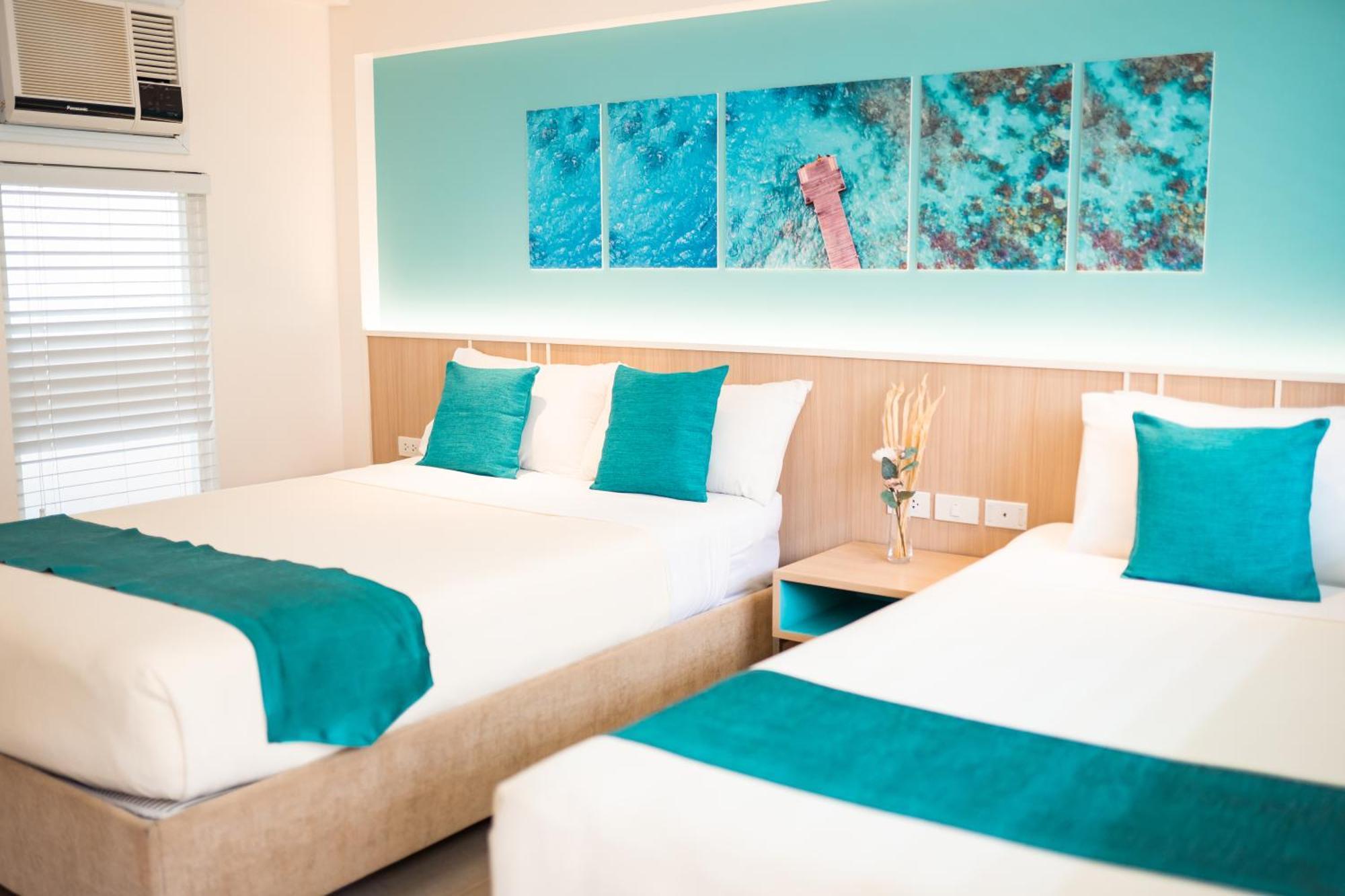
1. Divine Resort & Spa
Show on map


 Check-infrom 14:00 until 23:59Check-outuntil 11:00
Just a few rooms left at the best rate!
fromINR 13917
-
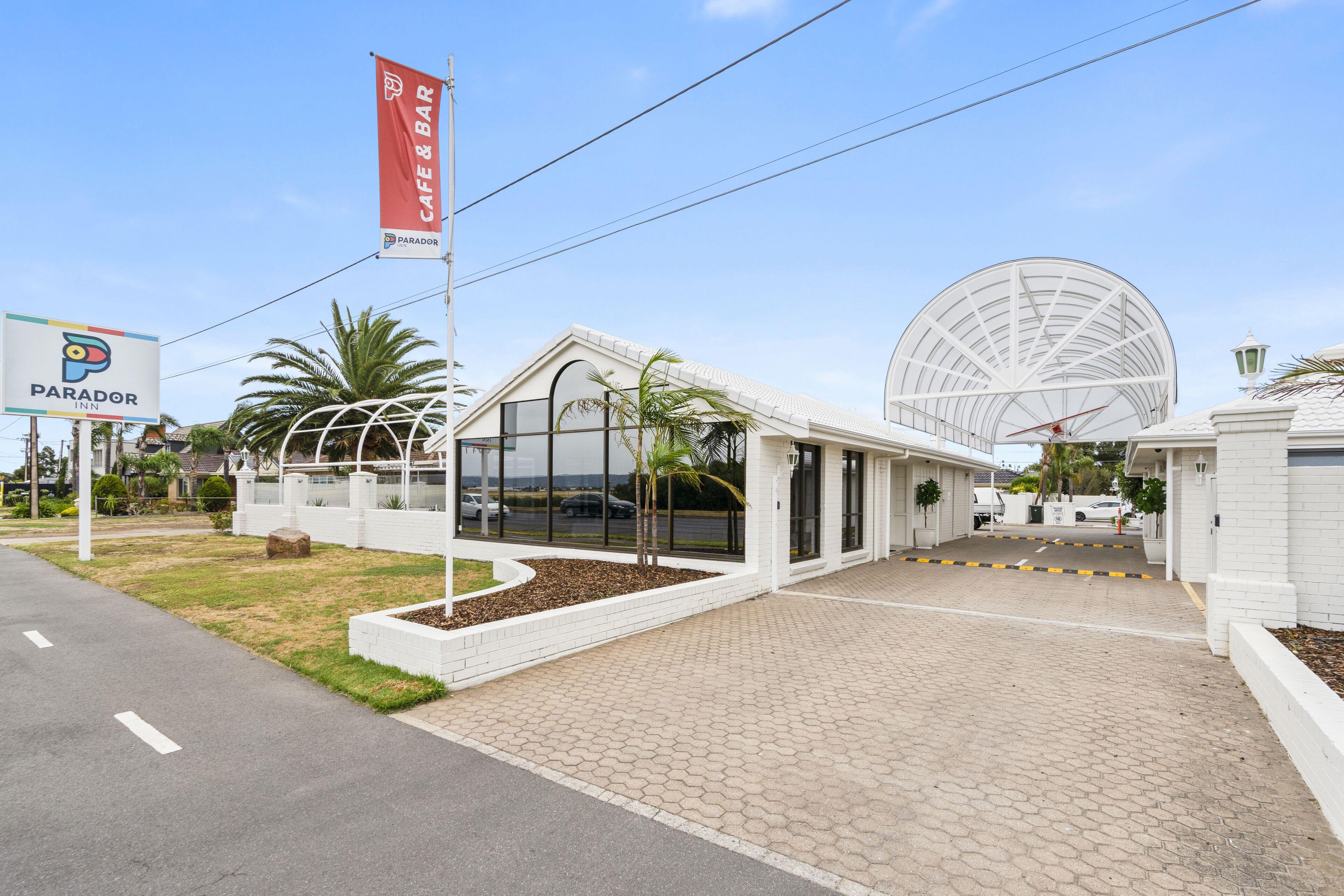
2. Aloha On The Ganges By Leisure Hotels
Show on map


 Check-infrom 14:00 until 23:59Check-outuntil 11:00
Just a few rooms left at the best rate!
fromINR 21828
-
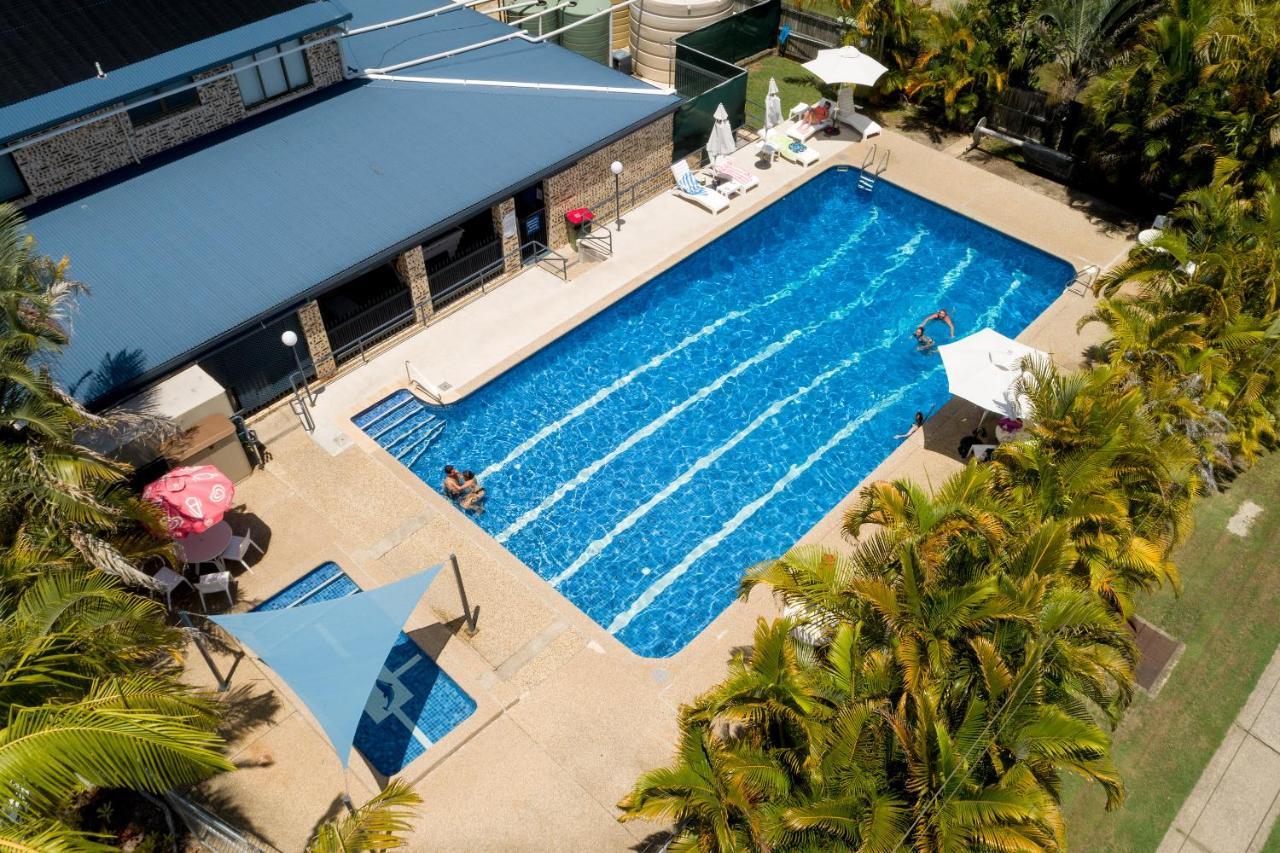
3. Vedic Dham Ganga
Show on map


 Check-infrom 13:00 until 15:00Check-outfrom 10:00 until 11:00
Hurry – almost gone at this price!
fromINR 13440
Best Premium Stay
For travelers who want resort-grade facilities - including a full fitness centre, outdoor pool, and concierge - alongside reliable infrastructure and proximity to Rishikesh's main rafting and yoga landmarks, this property leads the zone.
-
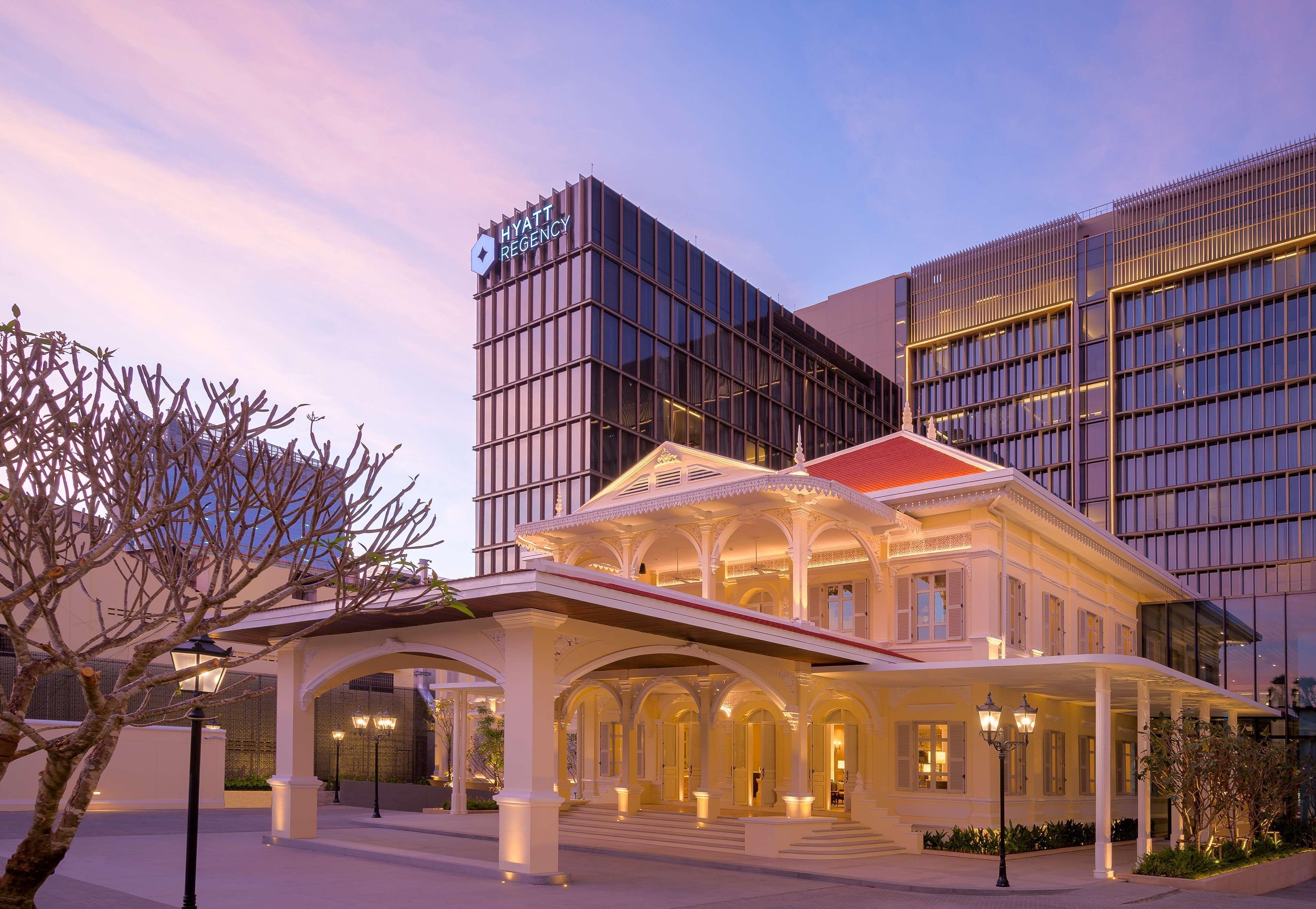
4. Lemon Tree Premier, Rishikesh
Show on map


 Check-infrom 14:00 until 23:59Check-outuntil 12:00
Rooms filling fast – secure the best rate!
fromINR 28024
Smart Timing and Booking Advice for Rishikesh Rafting Resorts
The Rishikesh rafting season runs from September through June, but October to November and February to March are the optimal windows - water levels are manageable for Grade III-IV rapids, temperatures are comfortable, and visibility on the river is at its clearest. December and January see colder water temperatures that make rafting uncomfortable for most travelers and push some operators to reduce frequencies. The International Yoga Festival in the first week of March creates a secondary demand spike for riverside resorts that rivals the peak rafting months, so treat that window as high season for booking purposes. Book at least 6 weeks ahead for any October or February travel - occupancy at well-reviewed resorts in the Laxman Jhula corridor fills quickly, and last-minute rates at these properties can climb by around 40% over advance booking prices. A stay of 3 nights gives enough time to complete a full-day rafting run, rest and recover, and add one cultural or trekking excursion without feeling rushed.