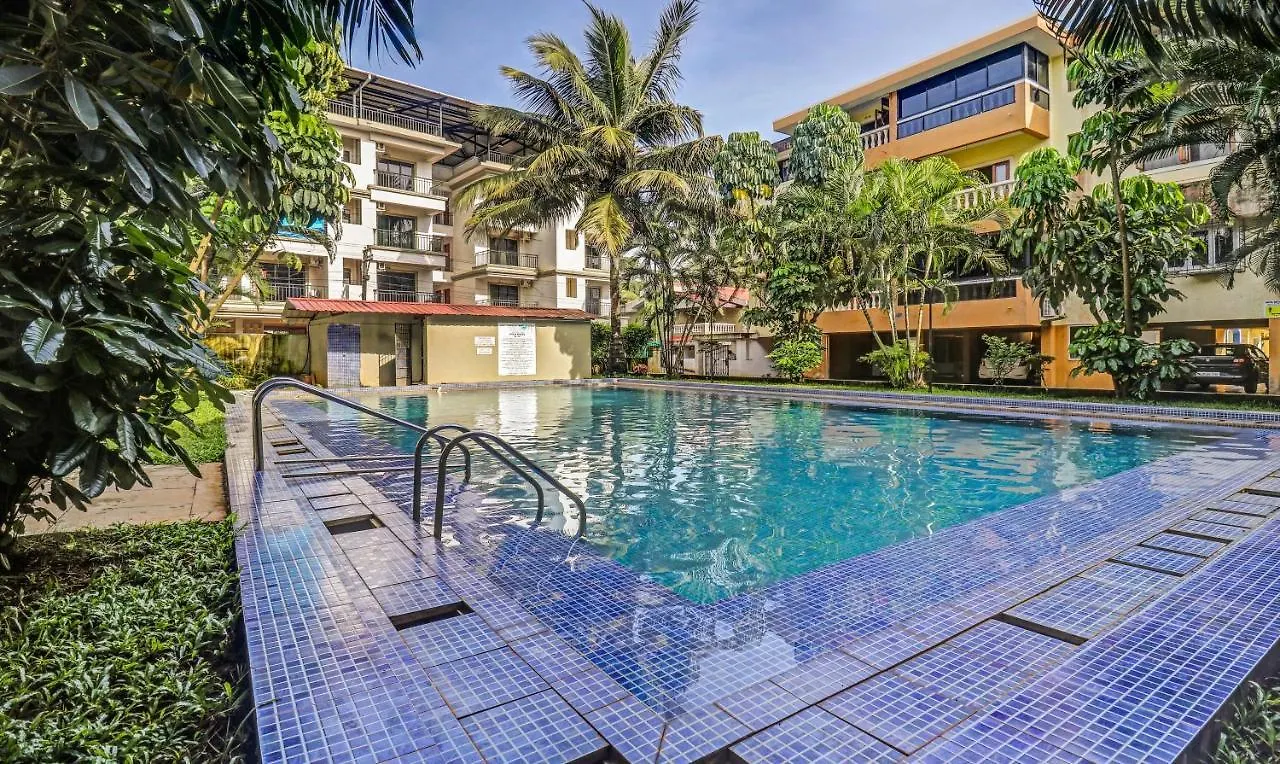
Siolim sits on the northern bank of the Chapora River, a tidal estuary that separates the busy beach belt of North Goa from the quieter stretches toward Morjim and Ashvem. Staying near the Chapora River means you're within reach of both the high-energy Vagator-Baga corridor and the calmer, less commercialized beaches to the north - a positioning that suits travelers who want options without committing to one scene. Treebo Hotels operates across this broader zone, with properties in Arpora, Morjim, Calangute, and Mapusa, giving you branded, standardized accommodation at 3-star pricing across different distance tiers from the river.
What It's Like Staying Near Chapora River
The area around the Chapora River is not a single neighborhood - it's a transitional zone where the density of Calangute and Baga fades into the relative quiet of Siolim, Morjim, and the Ashvem coast. Road connectivity along the NH66 and the Siolim bridge makes it easy to move between beach clusters, but you'll need a scooter or hired taxi for most daily movement - there is no walkable town center in this part of Goa. Crowds follow a strong seasonal pattern, peaking from November to February when the riverbanks, shacks, and beach roads become noticeably congested.
Pros:
- Positioned between two distinct beach belts, giving access to both busy and quiet stretches without long drives
- Chapora Fort overlooks the river mouth and is reachable in around 15 minutes from most Siolim-area properties
- Lower accommodation prices compared to beachfront properties in Vagator or Calangute
Cons:
- No meaningful walking infrastructure - reaching any beach, restaurant, or shop requires a vehicle
- Siolim village itself has limited nightlife and dining compared to Anjuna or Calangute
- Taxi availability can be inconsistent late at night, particularly on the Morjim side of the river
Why Choose Treebo Hotels Near Chapora River
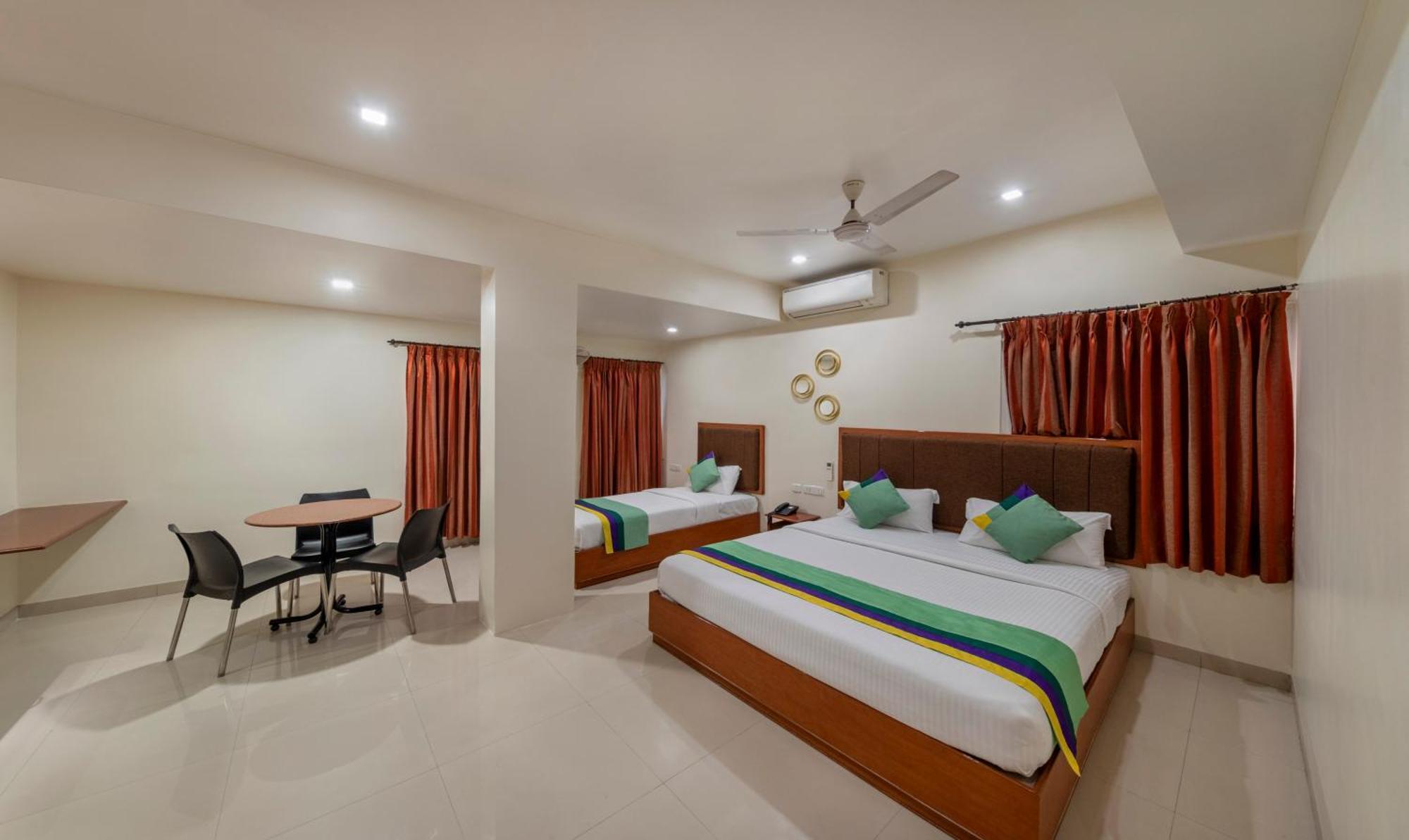
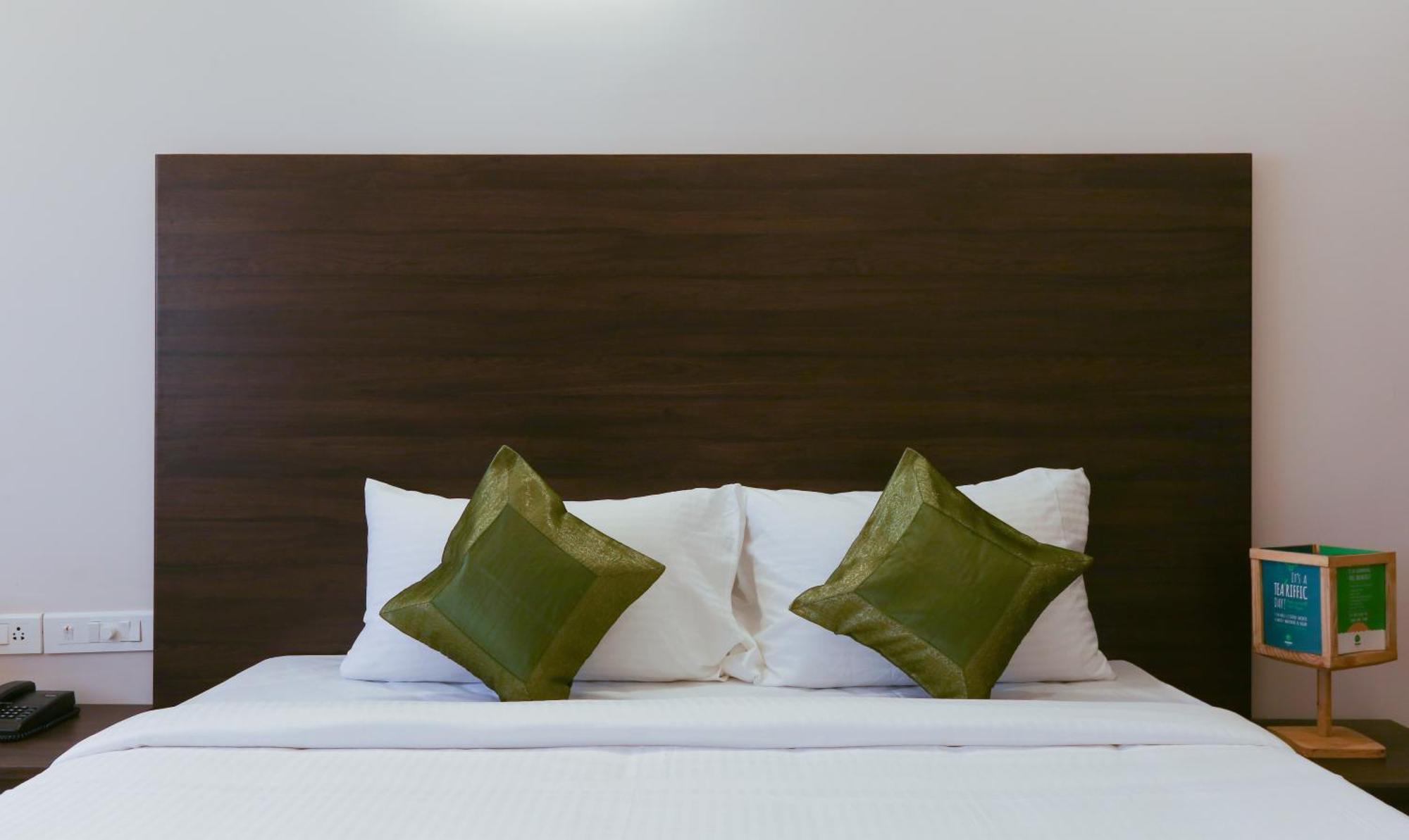
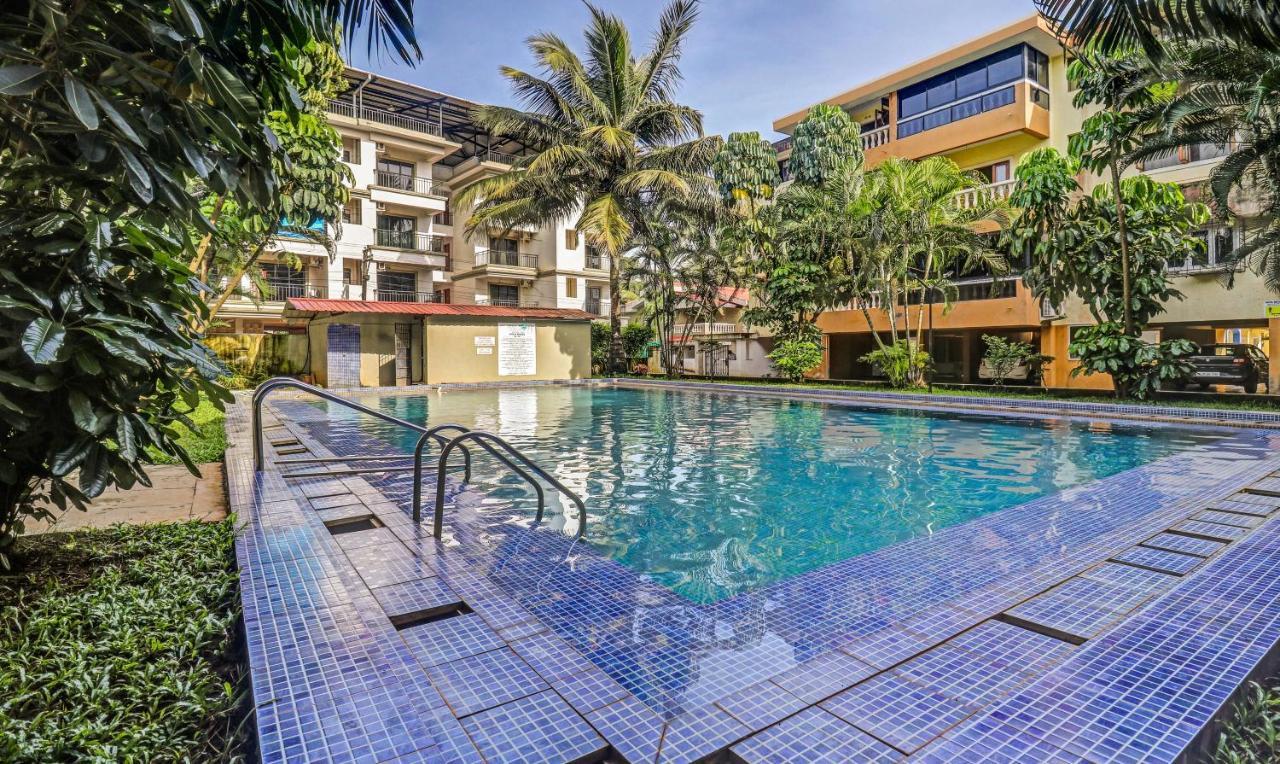
Treebo operates as a standardized budget-to-mid-range brand across India, and in the Chapora River corridor, that translates to predictable room quality - air conditioning, free WiFi, private bathrooms, and consistent check-in processes - at rates that typically run around 30% below independent boutique guesthouses of similar size. What differentiates Treebo properties here from local unbranded options is accountability: room standards are audited, and amenities like breakfast, room service, and 24-hour front desks are reliably present rather than advertised and absent. Outdoor swimming pools are available at several Treebo properties in this zone, which matters when beach access requires a 10-20 minute drive.
Main advantages of this hotel category here:
- Standardized room quality across all properties - what you see on booking matches what you get on arrival
- Free parking included at all listed properties, which is practical given the vehicle-dependent nature of this area
- Breakfast included or available on-site, removing the need to source morning meals in areas with sparse local cafes
Main trade-offs in this specific zone:
- Treebo properties here are not riverfront - none sit directly on the Chapora River bank, so river views are not part of the offering
- Room sizes are functional rather than spacious - standard Treebo layouts in Goa average around 20 square meters
- Limited in-house dining variety; most properties offer basic breakfast menus rather than full restaurant operations
Practical Booking & Area Strategy
The Chapora River area divides into two practical lodging zones. The Morjim side (east of the Siolim bridge) is quieter, closer to Ashvem and Mandrem, and suits travelers prioritizing low-key beach time - Treebo Lands End and Treebo Morjim Banyan Resort sit in this corridor, both within 1.6 km of Morjim Beach. The Arpora-Calangute side gives faster access to Baga, Anjuna, and the Saturday Night Market on Arpora Hill, with Treebo Aquamarine placing you around 5 km from the river with stronger nightlife proximity. Mapusa, where Treebo Green Park is located, functions as a transport and market hub - the Mapusa Friday Market is a major local draw, and the bus stand connects to Panaji and Thivim railway station. Book at least 6 weeks ahead for peak-season stays between December and January, as branded properties at this price point sell out faster than independent guesthouses in the area. Chapora Fort, the most-visited landmark near the river mouth, draws significant afternoon foot traffic from Vagator - visiting before 9 AM gives you the viewpoint without the crowd.
Things to do within reach of the Chapora River area include: exploring the Chapora Fort ruins above Vagator Beach, renting a kayak on the Chapora estuary, visiting the Siolim House heritage site, and taking a day trip north to Arambol via the coast road. Vagator Beach and Ozran Beach are both within 6 km of Siolim, while the busy Calangute-Baga stretch is accessible in around 20 minutes by road.
Best Value Stays
These Treebo properties offer reliable 3-star facilities at competitive rates, each with free parking and breakfast - practical anchors for travelers moving around North Goa by scooter or taxi.
-
1. Treebo Aquamarine Arpora With Pool
Show on map


 Check-infrom 13:00 until 23:59Check-outuntil 11:00
Just a few rooms left at the best rate!
fromINR 19417
-
2. Treebo Morjim Banyan Resort With Swimming Pool
Show on map


 Check-infrom 13:00 until 23:59Check-outuntil 11:00
Just a few rooms left at the best rate!
fromINR 2074
-
3. Treebo Dona Eliza, 700 Meters From Calangute Beach
Show on map


 Check-infrom 13:00 until 23:59Check-outuntil 11:00
Hurry – almost gone at this price!
fromINR 1697
-
4. Treebo Green Park
Show on map


 Check-infrom 13:00 until 23:59Check-outuntil 11:00
Hurry – almost gone at this price!
fromINR 1979
-
5. Treebo Lands End Beach Resort - 100M From Morjim Beach
Show on map


 Check-infrom 13:00 until 23:59Check-outuntil 11:00
Rooms filling fast – secure the best rate!
fromINR 2262
Smart Travel & Timing Advice for the Chapora River Area
The Chapora River area follows Goa's established tourism calendar sharply. Peak season runs from mid-November through late January, when temperatures stay around 28°C, humidity drops, and the Morjim-Vagator stretch fills with European and domestic travelers. Treebo properties in this zone during peak season book out quickly - availability drops significantly after the first week of November, and prices at 3-star branded properties can rise by around 40% compared to shoulder season rates. February and early March offer a strong alternative: the crowds thin, prices soften, and the river and beach conditions remain excellent. The monsoon period from June through September closes many beach shacks and some smaller properties entirely - Treebo properties with indoor restaurants, like Green Park in Mapusa, remain more functional during this period than beach-resort-style options. For most travelers, 4 nights in this area is the natural rhythm: enough to cover the Chapora Fort viewpoint, a day on Morjim or Ashvem, an evening in Vagator, and a market visit in Mapusa or Anjuna without feeling rushed. Book directly through Treebo's own site or their listed URLs for occasional rate advantages over third-party platforms, particularly for longer stays.