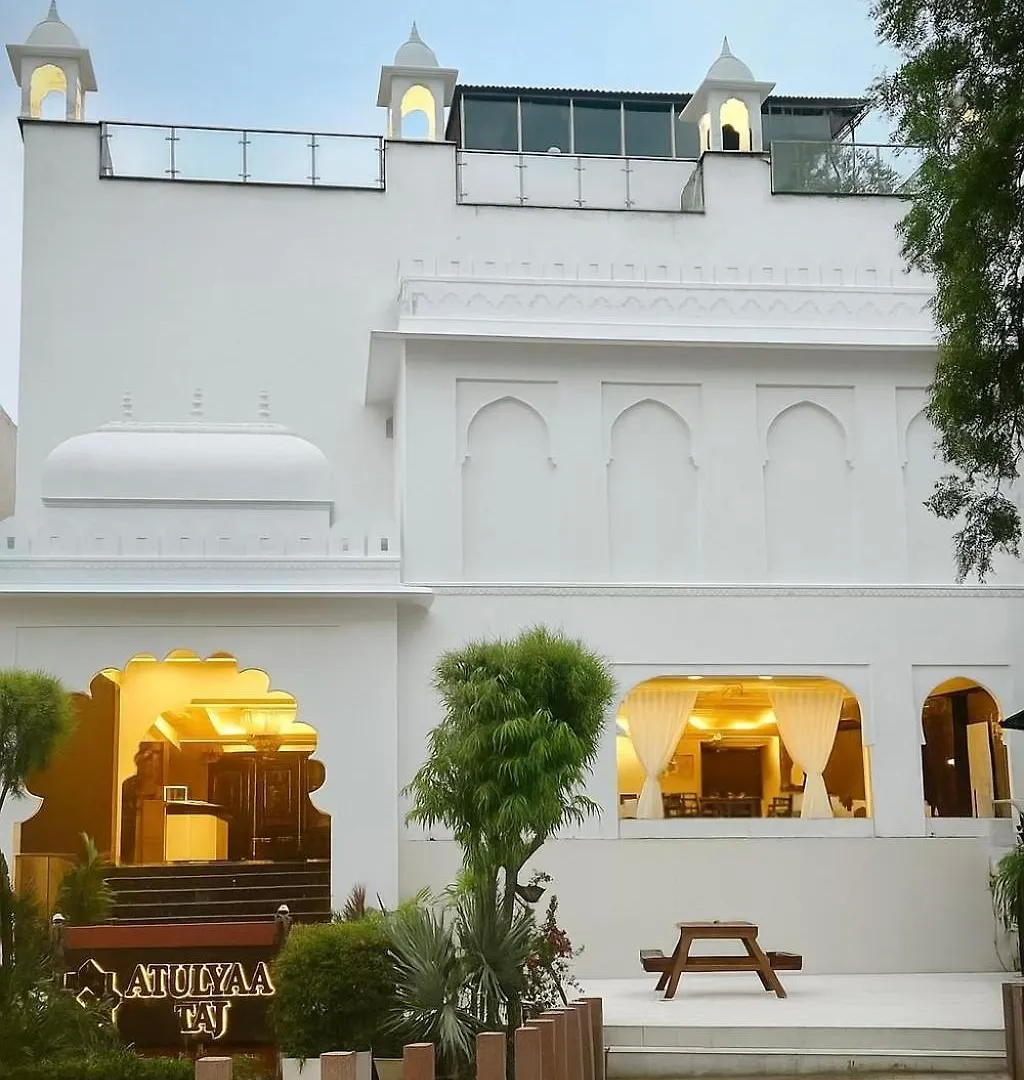
Taj Ganj sits at the base of the Taj Mahal, making it one of the most recognizable hotel zones in all of India. For business travelers, the neighborhood delivers an unusual combination: proximity to Agra's top client-entertainment venues and enough hotel infrastructure to support meetings, conferences, and corporate stays. This guide breaks down what staying here actually means logistically, which hotels deliver real business value, and when to book.
What It's Like Staying in Taj Ganj
Taj Ganj is the densely packed residential and commercial corridor directly south of the Taj Mahal's entry gates, and its character shifts sharply from dawn to dusk. Foot traffic near the South Gate peaks between 6:00 and 10:00 AM as thousands of domestic and international tourists funnel through narrow lanes - a reality that affects taxi access and vehicle movement significantly. By 9:00 PM, the same streets quiet down to near-residential calm, which suits business travelers with late calls or early departures. Staying here means you are around 500 metres to 2 km from the Taj Mahal but also accepting a neighbourhood defined by souvenir vendors, tuk-tuks, and uneven pavement rather than wide corporate avenues.
Pros:
- Direct walking access to the Taj Mahal's South Gate, enabling efficient client entertainment without booking transport
- Hotels in Taj Ganj tend to price around 20% lower than equivalent properties in the Cantonment or Civil Lines zones
- Evening atmosphere is calm and relatively safe, with most restaurants and rooftop dining within walking distance
Cons:
- Narrow lanes and high pedestrian traffic make morning vehicle movements slow, which can delay airport or station transfers
- Air quality in Taj Ganj is monitored and restricted - private diesel vehicles face entry limitations near the Taj Mahal buffer zone
- Limited 24-hour business infrastructure at street level; pharmacies, ATMs, and print shops are sparse after dark
Why Choose Business Hotels in Taj Ganj
Business hotels in Taj Ganj occupy a niche that few other districts in Agra can replicate: they combine branded corporate infrastructure - conference rooms, business centers, ergonomic workspaces, airport shuttles - with the client-entertainment leverage of Taj Mahal rooftop views. Properties here typically position themselves between 4-star and full luxury, offering rooms significantly larger than budget guesthouses in the same zone while keeping rates below the Marriott-tier properties found closer to the Cantonment railway corridor. The trade-off is street-level noise during peak tourist hours and occasional restrictions on private vehicle access within the Taj buffer zone, which affects shuttle logistics.
Main advantages of business hotels in Taj Ganj:
- On-site business centers, concierge services, and currency exchange reduce reliance on third-party logistics in a city where those services are inconsistently available
- Rooftop restaurants with Taj Mahal views function as premium client-entertainment spaces that independent restaurants in the area cannot match
- Properties typically offer airport shuttle services to Agra Airport, which is approximately 10 km away - critical given the lack of reliable metered taxis in this zone
Main trade-offs in Taj Ganj:
- Morning check-outs during peak tourist season require building in extra transfer time due to congested access lanes
- Business hotels here rarely include large ballrooms or multi-day conference suites; high-capacity event infrastructure is better served by properties near Fatehabad Road
- WiFi reliability varies between properties - essential to verify speeds if remote work or video conferencing is a priority
Practical Booking & Area Strategy for Taj Ganj
The most strategically positioned hotels for business travelers in Taj Ganj sit along or just off Taj East Gate Road and Fatehabad Road, where vehicle access is more fluid than in the lanes closest to the South Gate. Properties within 700 metres of the South Gate deliver genuine walkability to the Taj Mahal but often face the strictest vehicle entry restrictions - factor that into transfer planning. Agra Cantonment Railway Station is around 7-8 km from most Taj Ganj hotels, roughly a 20-minute drive outside peak hours; early morning trains to Delhi are a common business-traveler move and taxis must be pre-booked through hotels rather than hailed. The area's attractions beyond the Taj Mahal include Agra Fort (about 2 km north) and Mehtab Bagh across the Yamuna River, both of which work well for client half-day itineraries. Book at least 6 weeks ahead for travel between October and March, when occupancy in Taj Ganj business hotels climbs sharply and rooftop dining slots fill quickly.
Best Value Business Stays
These properties deliver solid business infrastructure - rooftop dining, 24-hour front desks, room service, and free parking - at rates below the premium branded tier, while keeping the Taj Mahal within reach for client visits.
-
1. Hotel Atulyaa Taj
Show on map


 Check-infrom 14:00 until 23:59Check-outuntil 11:00
Just a few rooms left at the best rate!
fromINR 3205
-
2. Taj Inn Hotel
Show on map


 Check-infrom 13:00 until 23:59Check-outuntil 12:00
Just a few rooms left at the best rate!
fromINR 2262
-
3. Golden Tulip Agra
Show on map


 Check-infrom 14:00 until 23:59Check-outuntil 11:00
Hurry – almost gone at this price!
fromINR 5750
Best Premium Business Options
These hotels offer branded infrastructure, larger room formats, multi-venue dining, and full-scale wellness and meeting facilities - suited for corporate trips where client entertainment or team hosting is a primary requirement.
-
4. Howard Plaza The Fern, Agra
Show on map


 Check-infrom 14:00 until 23:59Check-outuntil 11:00
Hurry – almost gone at this price!
fromINR 2356
-
5. Doubletree By Hilton Agra
Show on map


 Check-infrom 15:00 until 23:59Check-outuntil 12:00
Rooms filling fast – secure the best rate!
fromINR 4713
-
6. Courtyard By Marriott Agra
Show on map


 Check-infrom 15:00 until 23:59Check-outuntil 12:00
Rooms filling fast – secure the best rate!
fromINR 3959
Smart Travel & Timing Advice for Taj Ganj
The window between October and March is Agra's primary high season, driven by cooler temperatures and the visibility conditions that make the Taj Mahal most photogenic - two factors that drive occupancy in Taj Ganj business hotels above 85% capacity across that period. Book business hotel rooms at least 6 weeks ahead for travel in November and February, when both corporate events and leisure tourism compete for the same inventory. April through June brings aggressive heat (regularly above 40°C), which reduces tourist crowds sharply but also limits outdoor client entertainment to early mornings and evenings. The monsoon months of July through September see the lowest rates of the year, often dropping around 30% below peak, and the post-rain air quality temporarily improves visibility to the Taj Mahal - a counterintuitive window for business travelers who want the full visual impact without the October-March crowds. A minimum of 2 nights is the practical standard for a business trip that includes a Taj Mahal client visit, an Agra Fort stop, and at least one substantive working session - trying to compress this into a single day from Delhi and back is a common mistake that consistently produces rushed itineraries.