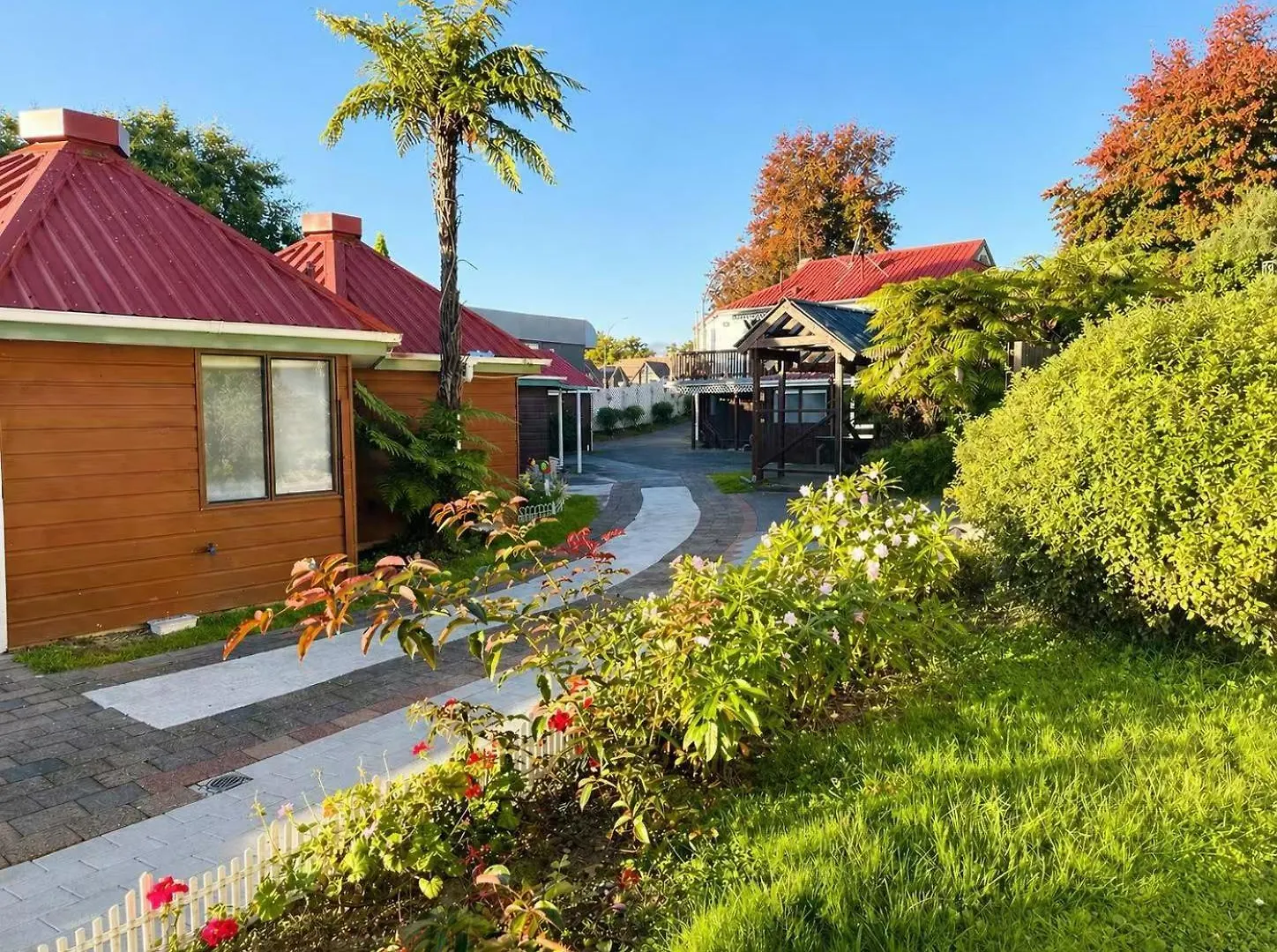
Fenton Street is Rotorua's main accommodation corridor - a 3.5 km stretch running from the lake south to Whakarewarewa, and the street most visitors end up staying on whether they plan to or not. The two central hotels featured in this guide sit within this strip, offering direct access to Rotorua's geothermal attractions, dining, and transport links without the premium of lakefront addresses. If you're weighing where to base yourself in Rotorua, understanding what Fenton Street actually delivers - and where it falls short - matters before you book.
What It's Like Staying on Fenton Street
Fenton Street functions as Rotorua's motel mile - flat, walkable, and dense with accommodation options that put you close to the city's core geothermal circuit. Te Puia is roughly an 8-minute walk from properties in the southern section of the strip, while the Polynesian Spa is accessible in around 20 minutes on foot from mid-street locations or a short drive. The street itself carries steady traffic throughout the day, which means road-facing rooms can register noise after dark, and the ambient sulfur smell - characteristic of all Rotorua - is more noticeable outdoors here than in elevated or lakeside zones.
Most Rotorua visitors base themselves on or near Fenton Street, which keeps the area lively and service-oriented, but it also means peak-season evenings bring foot traffic and car movement well into the night. Travelers who prioritize quiet over convenience may find properties set back from the main road more suitable.
Pros:
- * Walking distance to Te Puia, Whakarewarewa Village, and key dining on the same street
- * Flat terrain makes the entire central corridor accessible without a car for most itineraries
- * High concentration of motels keeps nightly rates competitive and availability reliable
Cons:
- * Road-facing rooms on the main strip pick up traffic noise, especially during school holiday surges
- * Sulfur odor is noticeable outside, particularly on still, humid evenings
- * No lakefront views or direct lake access - those require moving north toward the city center end
Why Choose a Central Hotel on Fenton Street
Central hotels on Fenton Street deliver the clearest price-to-location trade-off in Rotorua. Where lakefront properties or city-center hotels command a consistent premium, Fenton Street motels run at noticeably lower nightly rates while keeping you within reach of the same major attractions. The typical room format here leans toward self-contained units - studios or suites with kitchenettes - which shifts the value proposition further in favor of stays of around 3 nights, where cooking in reduces food costs meaningfully.
The trade-off is primarily spatial: rooms tend to be functional rather than expansive, and the motel format means shared outdoor areas rather than hotel lobbies or resort amenities. Families and self-drive visitors benefit most from this category, given free parking at most properties and room configurations that accommodate multiple guests without needing adjoining rooms. Solo travelers or couples focused on evening atmosphere may find the strip quieter than the restaurant-dense blocks of Tutanekai Street, around 1 km north.
Pros:
- * Self-contained kitchenettes available across most room types, reducing daily spend on meals
- * Free on-site parking standard across central Fenton Street properties - no added nightly cost
- * Room configurations range from budget studios to multi-bedroom suites, covering solo to family groups
Cons:
- * Motel-style layouts mean limited communal hotel amenities such as pools, gyms, or full restaurants
- * Rooms in high demand during NZ school holidays - later booking windows shrink selection quickly
- * Some older properties show dated fixtures, particularly bathrooms, at budget price points
Practical Booking & Area Strategy for Fenton Street
Fenton Street runs south from the city center, and positioning within the strip matters. Properties in the mid-to-southern section - between Amohau Street and the Whakarewarewa end - sit closest to Te Puia and the thermal village, making them the most efficient base if your itinerary is geothermal-focused. The northern end near Hinemoa Street puts you within a short walk of the Polynesian Spa and the Government Gardens, but at slightly higher price points. The Rotorua Bus Connect network services Fenton Street with stops along the corridor, connecting to the city center and key attractions roughly every hour on weekdays.
Book at least 6 weeks ahead for any stay between late December and early February - NZ summer school holidays push occupancy across Fenton Street to near capacity, and last-minute rates climb sharply. March through May and September through November offer the best availability and quieter road conditions, with Rotorua's shoulder-season weather still suitable for outdoor geothermal visits. For a Rotorua itinerary covering Te Puia, the Redwoods Treewalk, and the Polynesian Spa, 2 nights is the practical minimum - 3 nights allows for Wai-O-Tapu or Waimangu day trips without rushing.
Recommended Central Hotels on Fenton Street
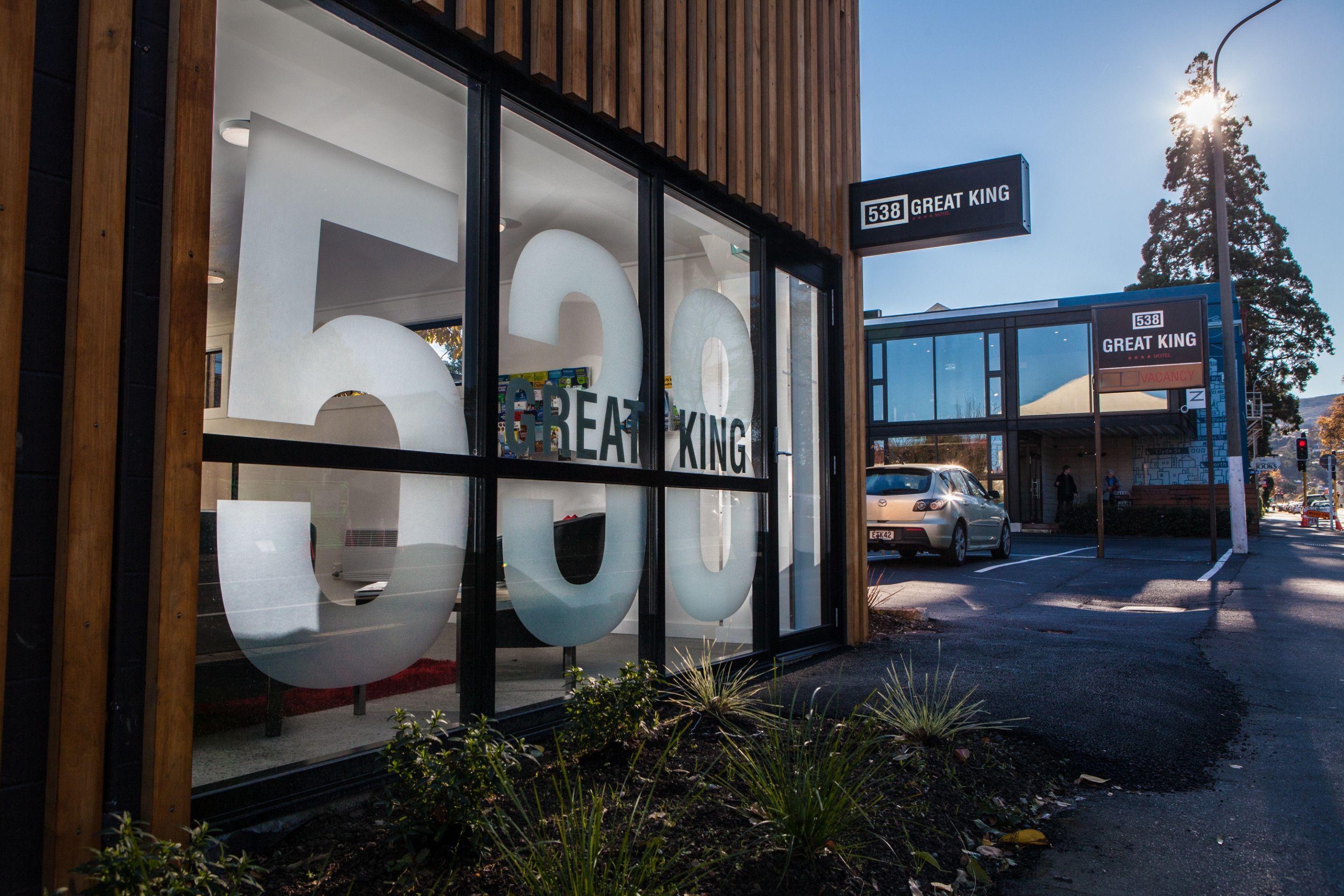
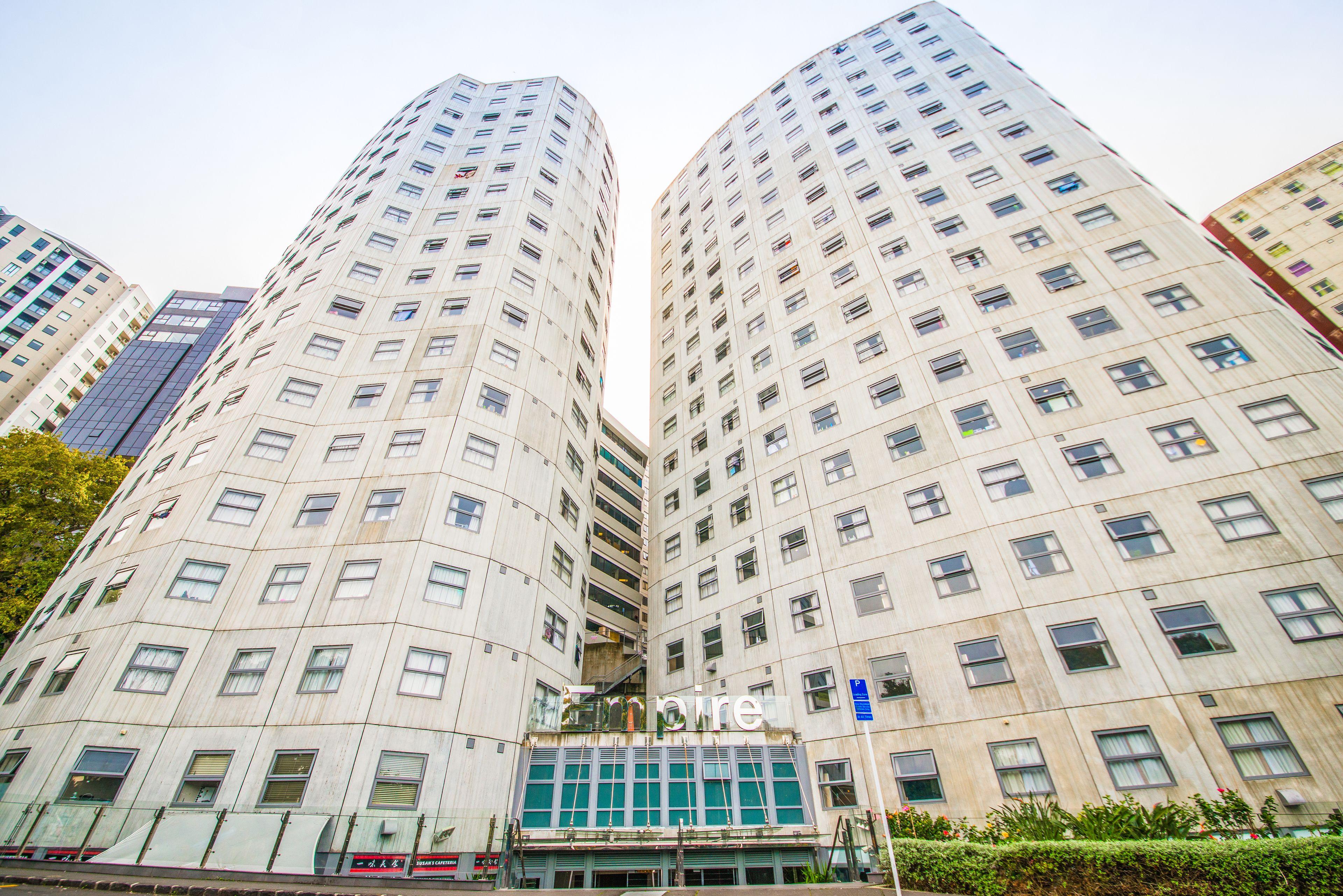
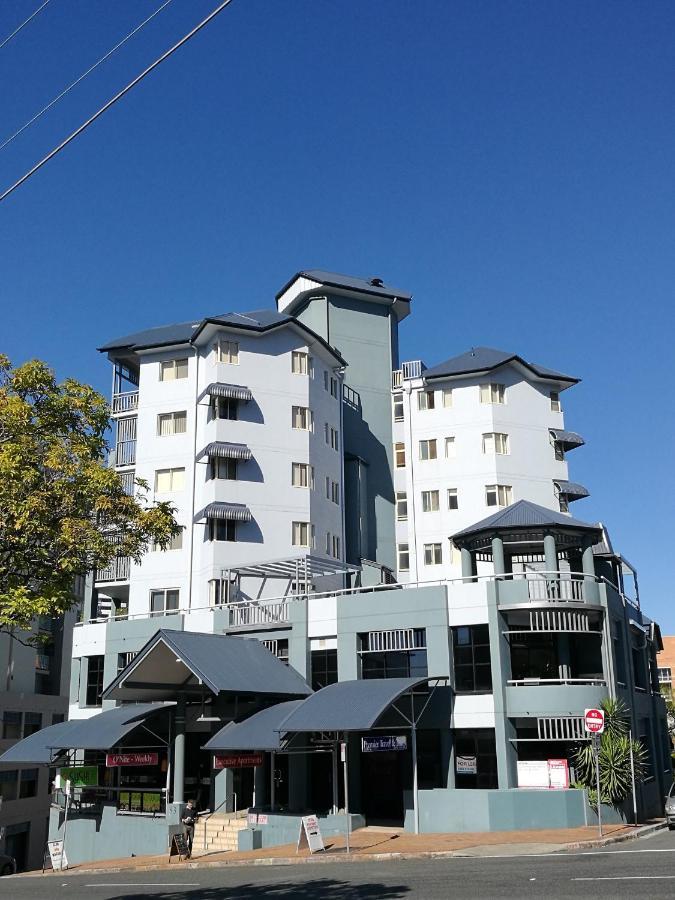
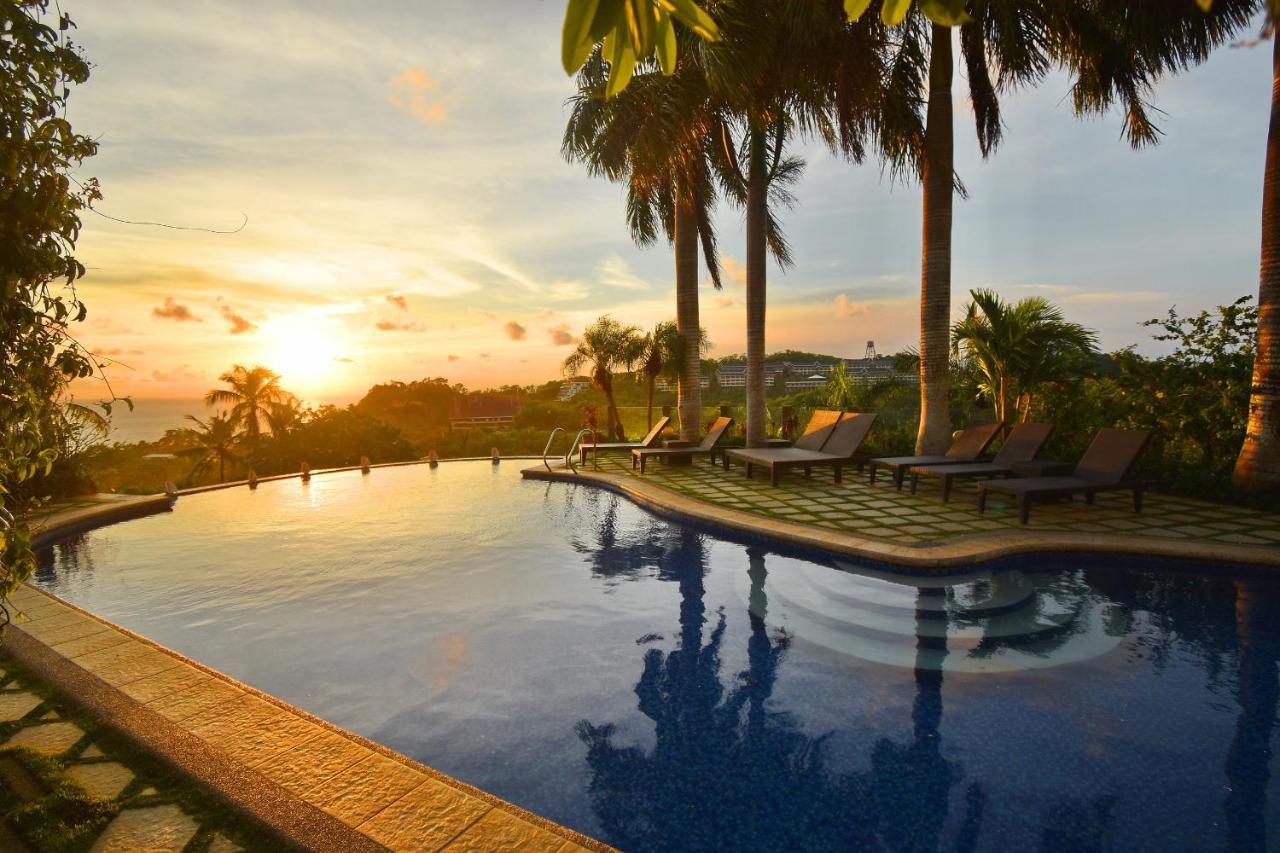
Both properties below sit within the Fenton Street corridor and represent the central hotel category in Rotorua - self-contained, car-friendly, and positioned for direct access to the city's geothermal and cultural attractions.
-
1. Pure Motel
Show on map


 Check-infrom 14:00 until 22:00Check-outfrom 05:00 until 10:00
Just a few rooms left at the best rate!
fromNZ$ 133
-
2. Malones Spa Motel
Show on map


 Check-infrom 14:00 until 21:00Check-outfrom 08:00 until 10:00
Hurry – almost gone at this price!
fromNZ$ 110
Smart Timing & Booking Advice for Fenton Street
Rotorua's peak tourism window runs from late October through April, tracking the Southern Hemisphere summer and NZ school holiday calendar. January and December see the highest occupancy on Fenton Street, with rates across the motel strip climbing noticeably and tour desk availability for Te Puia and Wai-O-Tapu thinning out. Booking 6 weeks out is a reasonable buffer for mid-range properties during this window; for the larger multi-room configurations at properties like Pure Motel's Three-Bedroom House, 8 weeks is a safer target given limited unit count.
March through May delivers a measurable drop in visitors while Rotorua's geothermal sites remain fully operational - the thermal valleys are arguably more atmospheric in cooler, misty autumn conditions anyway. June through August is the quietest period on the strip, with last-minute availability common and rates softening across most properties, though Rotorua's winter mornings are cold and some outdoor activities scale back. For a visit centered on Te Puia, the Polynesian Spa, and the Redwoods, around 3 nights is the effective window - enough to cover the main thermal circuit without padding the itinerary unnecessarily.