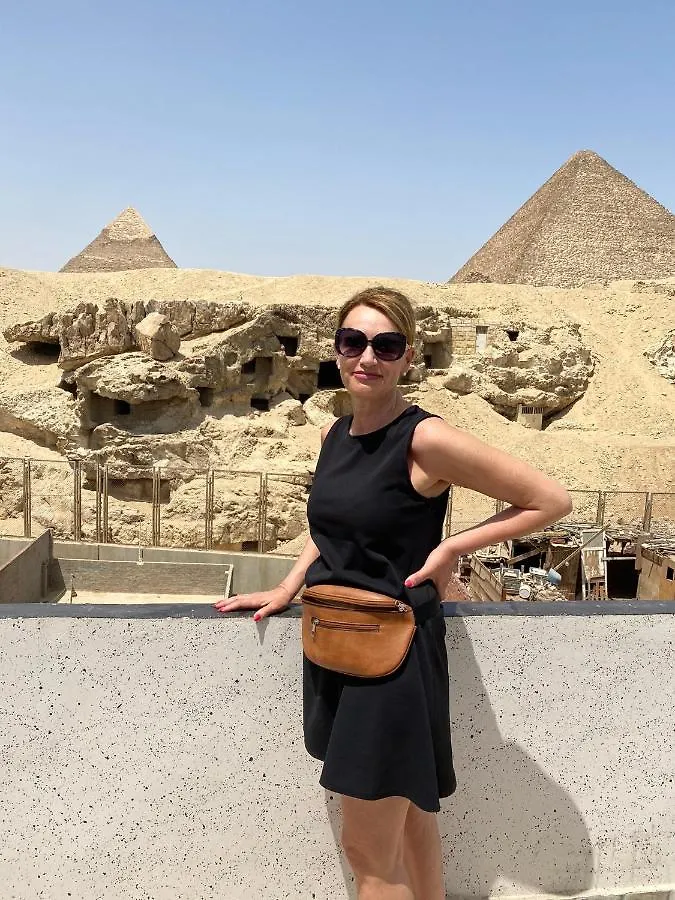
Giza is one of the few places on Earth where ancient monuments and urban chaos exist within the same city block. Choosing the right central hotel here means balancing proximity to the Giza Plateau with access to Cairo's broader transport network - and not every property delivers both. This guide breaks down four well-positioned hotels in the Giza area, with honest insights on location, what's walkable, and when to book.
What It's Like Staying In Giza
Staying in Giza puts you within direct reach of the Pyramids of Giza and the Great Sphinx - no cross-city commute required. Hotels near the Giza Plateau sit along the busy Al-Haram Street corridor, where tuk-tuks, horse carts, and tourist minibuses create constant street-level activity, especially in the morning hours before 10:00. The area quiets noticeably after sunset, making it manageable for lighter sleepers if your hotel sits even one block off the main drag. Cairo's metro system reaches Giza station, connecting you westward toward downtown Cairo in around 30 minutes, though taxi and ride-hailing apps like Uber and Careem are the dominant transport method for most visitors.
Pros:
- Walking distance to the Giza Pyramids complex and Sphinx - no transfer needed on your monument morning
- Lower nightly rates compared to equivalent hotels in central Cairo by around 30%
- More authentic street-level market access along Pyramids Road
Cons:
- Persistent vendor and guide solicitation near the plateau entrance, starting from hotel doorsteps
- Limited high-end dining options within walking distance compared to Zamalek or Downtown Cairo
- Traffic congestion on Al-Haram Street can make even short taxi trips slow during peak hours
Why Choose Central Hotels In Giza
Central hotels in Giza cluster around Al-Haram (Pyramids Road) and the side streets that branch toward the plateau - a positioning that trades urban polish for monument proximity. Unlike Cairo's downtown hotels, which cater to business travelers and those needing Egyptian Museum access, Giza's central hotels skew toward heritage tourism, with most properties offering breakfast, airport shuttle arrangements, and often a rooftop or terrace with pyramid views. Room sizes here tend to run larger than equivalent-priced options in Zamalek or Garden City, and free private parking is common - a practical advantage for travelers renting a car to reach sites like Saqqara or Dahshur. Nightly rates at central Giza hotels average noticeably lower than five-star options in Cairo proper, but trade-offs include older building stock, variable soundproofing, and neighborhoods that feel working-class rather than cosmopolitan.
Pros:
- Frequent rooftop or terrace views of the Pyramids included at no premium
- Free private parking available at multiple properties - rare in central Cairo hotels
- Breakfast packages and airport transfers bundled at competitive rates
Cons:
- Building infrastructure often older than equivalent Cairo downtown properties
- Nightlife and restaurant variety within walking distance is limited
- Street noise from Al-Haram Road can affect room quality depending on floor and orientation
Practical Booking & Area Strategy
The highest-value street positioning in Giza for monument access sits along the final stretch of Al-Haram Street toward the plateau entrance, particularly around Nazlet El-Semman - the village district at the foot of the Sphinx where several smaller hotels operate. Hotels on the upper sections of Marioutiya Canal Road offer quieter surroundings with slightly longer taxi rides of around 10 minutes to the plateau gate. Book at least 6 weeks ahead for travel between October and March, when Giza draws its peak visitor volume from European and North American tourists and room availability at well-reviewed properties drops sharply. The Giza Pyramids Sound and Light Show runs three times nightly, and hotels within 2 kilometers of the plateau typically fill fastest on show nights. Beyond the monuments, the Solar Boat Museum, the Giza Zoo, and the Grand Egyptian Museum - now fully open near the plateau - all sit within a short taxi ride. Uber and Careem operate reliably in Giza and are the safest, most price-transparent transport option for after-dark movement.
Best Value Stays
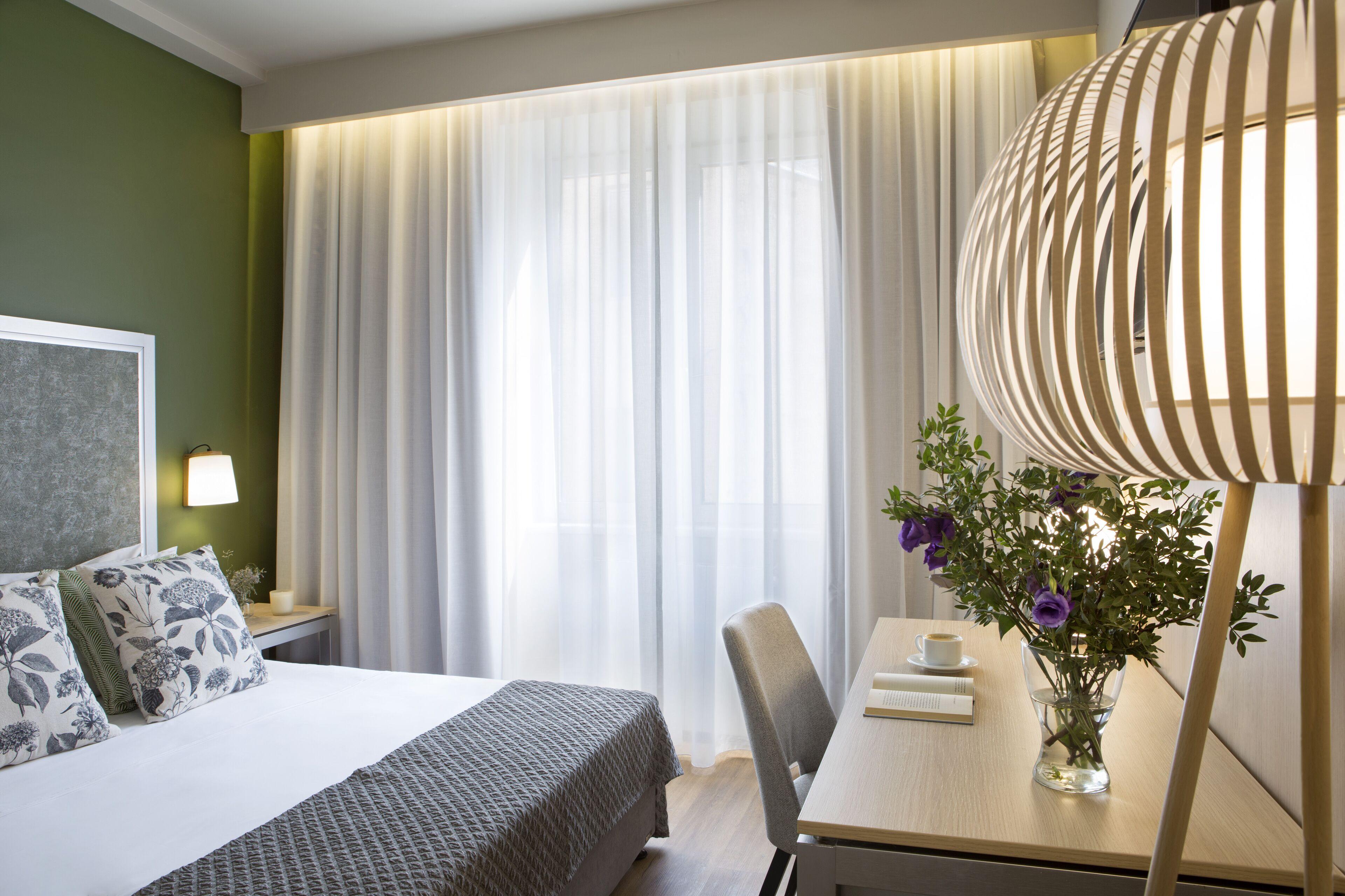
These properties offer strong monument proximity and solid practical facilities at accessible price points, making them the most logical base for first-time Giza visitors focused on maximizing time at the plateau.
-
1. Toman Pyramids Hotel
Show on map


Just a few rooms left at the best rate!
fromUS$ 7
-
2. Sahara Pyramids Inn
Show on map


Just a few rooms left at the best rate!
fromUS$ 57
-
3. Panorama View Pyramids
Show on map


Hurry – almost gone at this price!
fromUS$ 32
Best Premium Stay
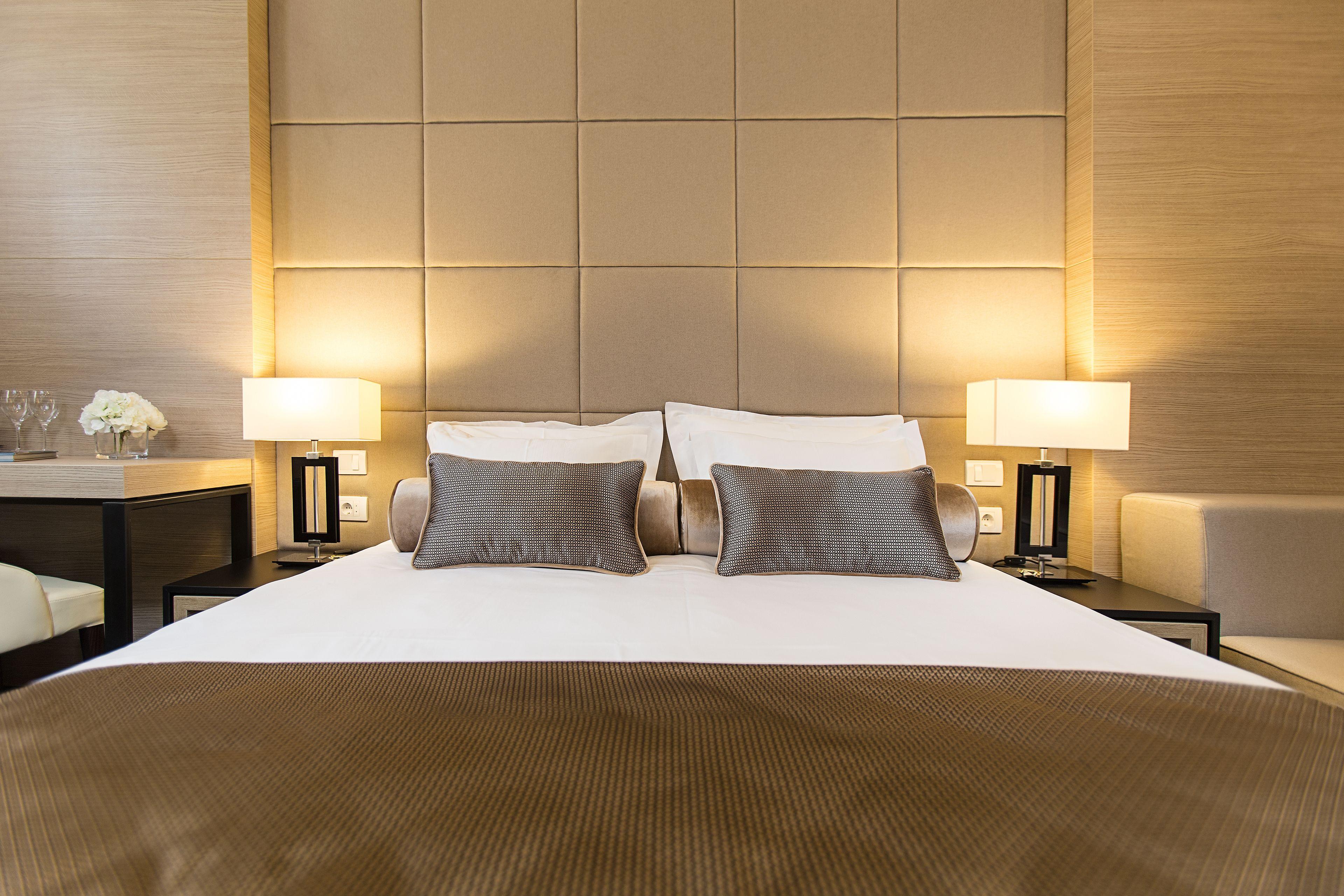
For travelers who want more room comfort, a swimming pool, and upgraded in-room amenities without relocating to central Cairo, this property delivers the strongest overall package in the Giza area.
-
4. Sofia Pyramids Hotel
Show on map


Rooms filling fast – secure the best rate!
fromUS$ 50
Smart Travel & Timing Advice For Giza
The optimal window for staying at central Giza hotels runs from October through February, when daytime temperatures at the Pyramids plateau drop to a walkable range and the harsh midday sun no longer cuts monument visits short. January and February see the highest occupancy rates at well-reviewed Giza properties, driven by European winter-break travel, so booking at least 6 weeks out is strongly advisable for those months. March through May offers a secondary sweet spot - thinner crowds than peak winter, still manageable heat - before summer temperatures push most outdoor Pyramid visits to early-morning-only windows. July and August represent the lowest-demand period, when prices drop noticeably and availability opens up, but daytime heat at the plateau regularly exceeds 38°C and significantly limits comfort. A minimum stay of two nights in Giza is the practical baseline - one full day for the Pyramids plateau and Solar Boat Museum, a second for the Grand Egyptian Museum and Saqqara - before repositioning to Cairo proper if the broader Egyptian itinerary demands it. Last-minute bookings in Giza carry more risk than in most cities because the best-located small hotels carry limited room inventory.