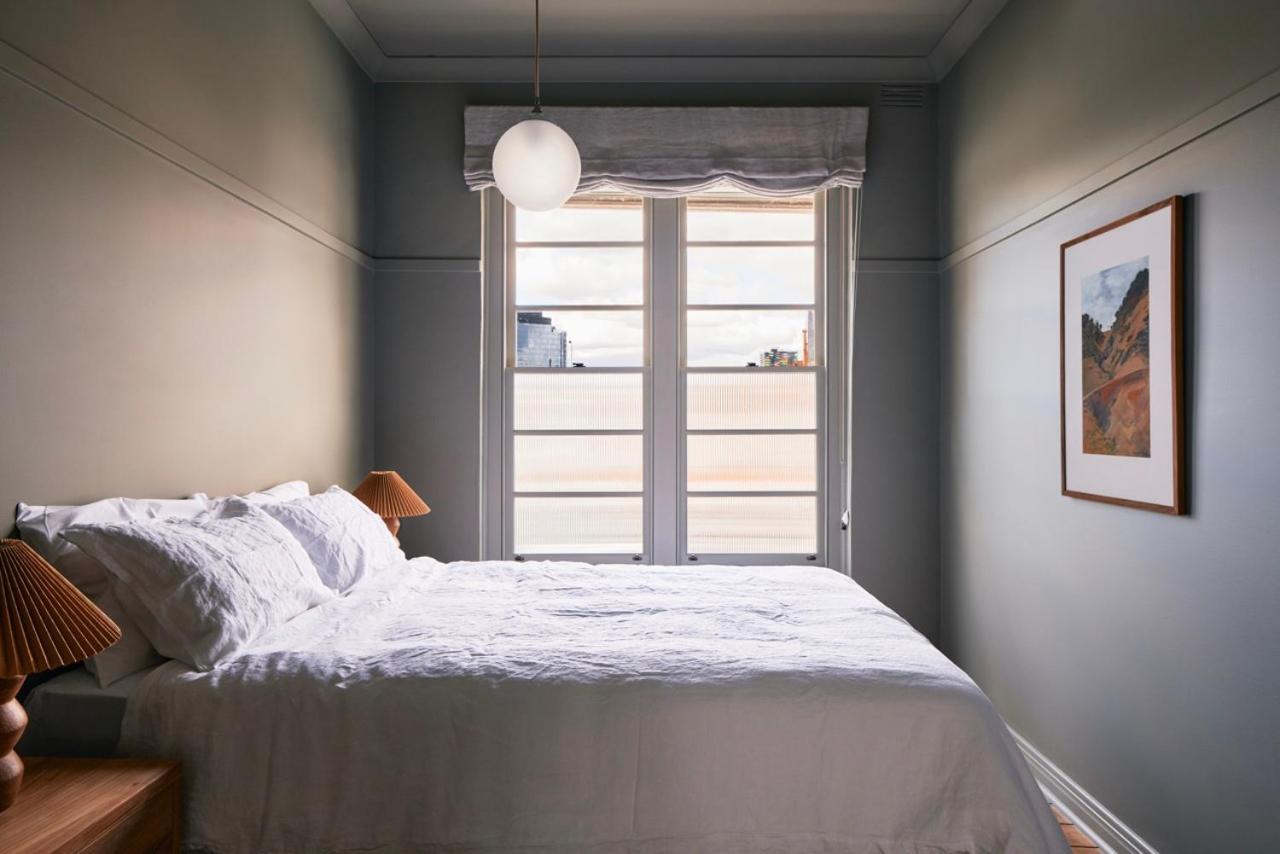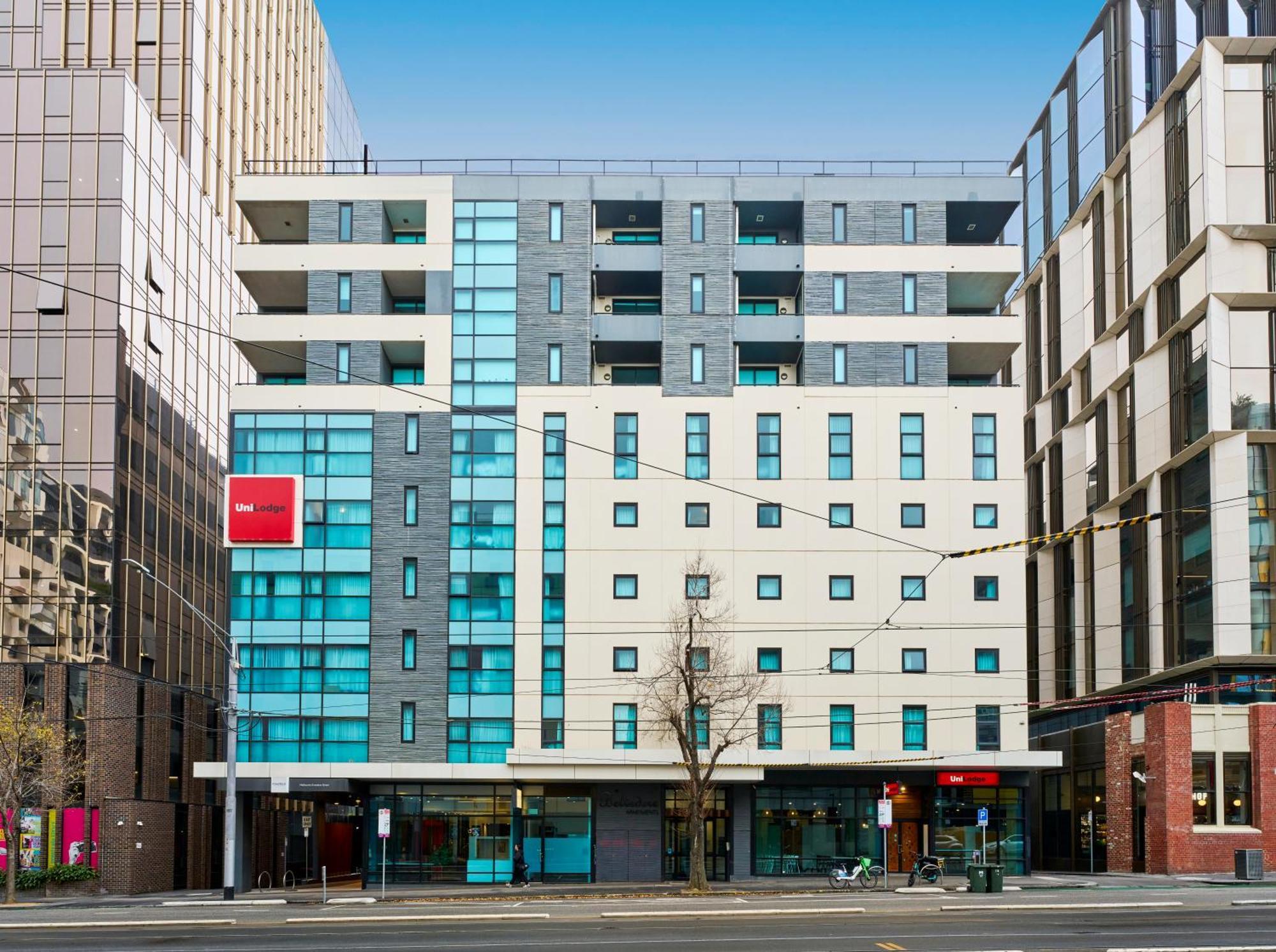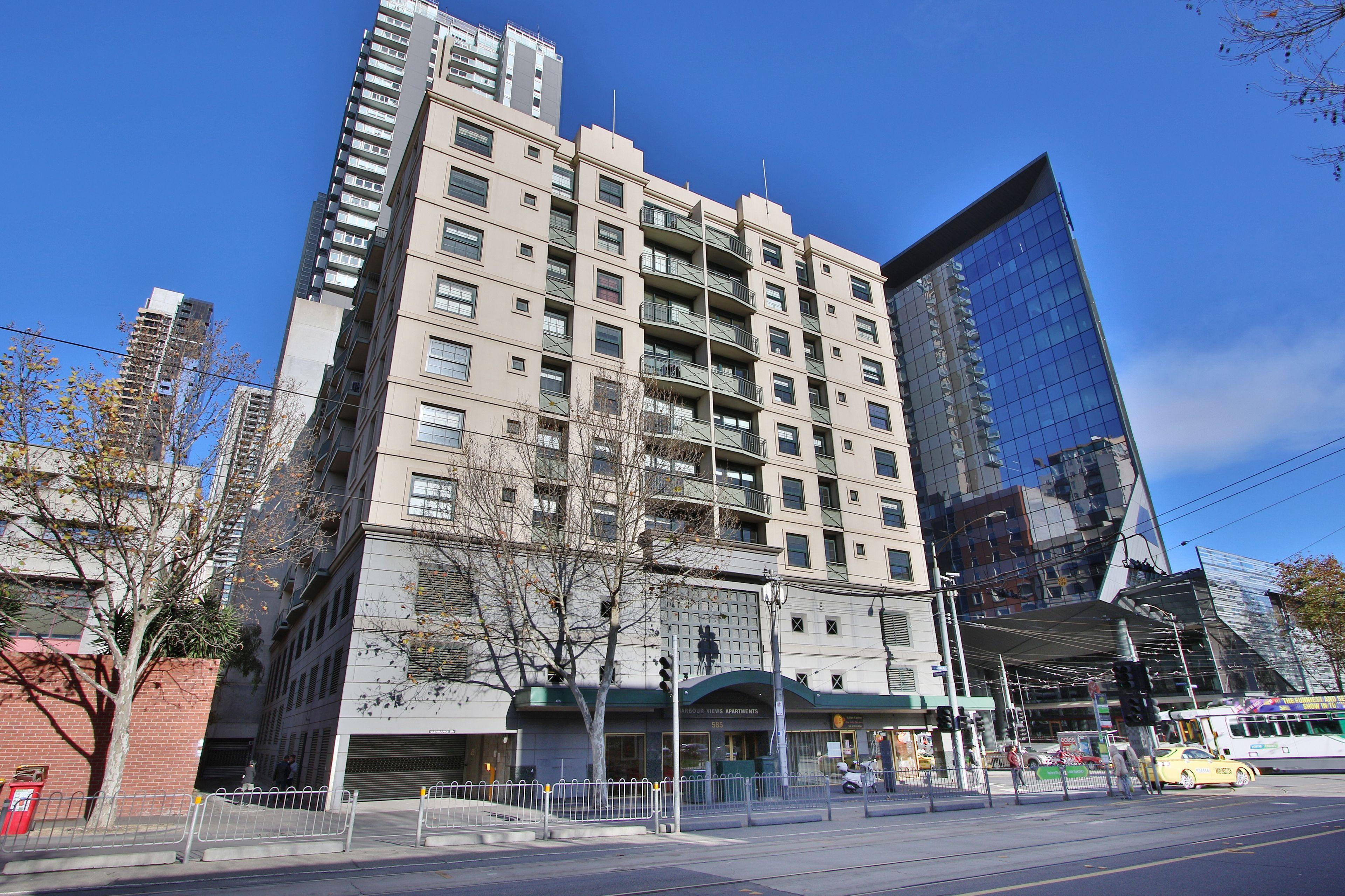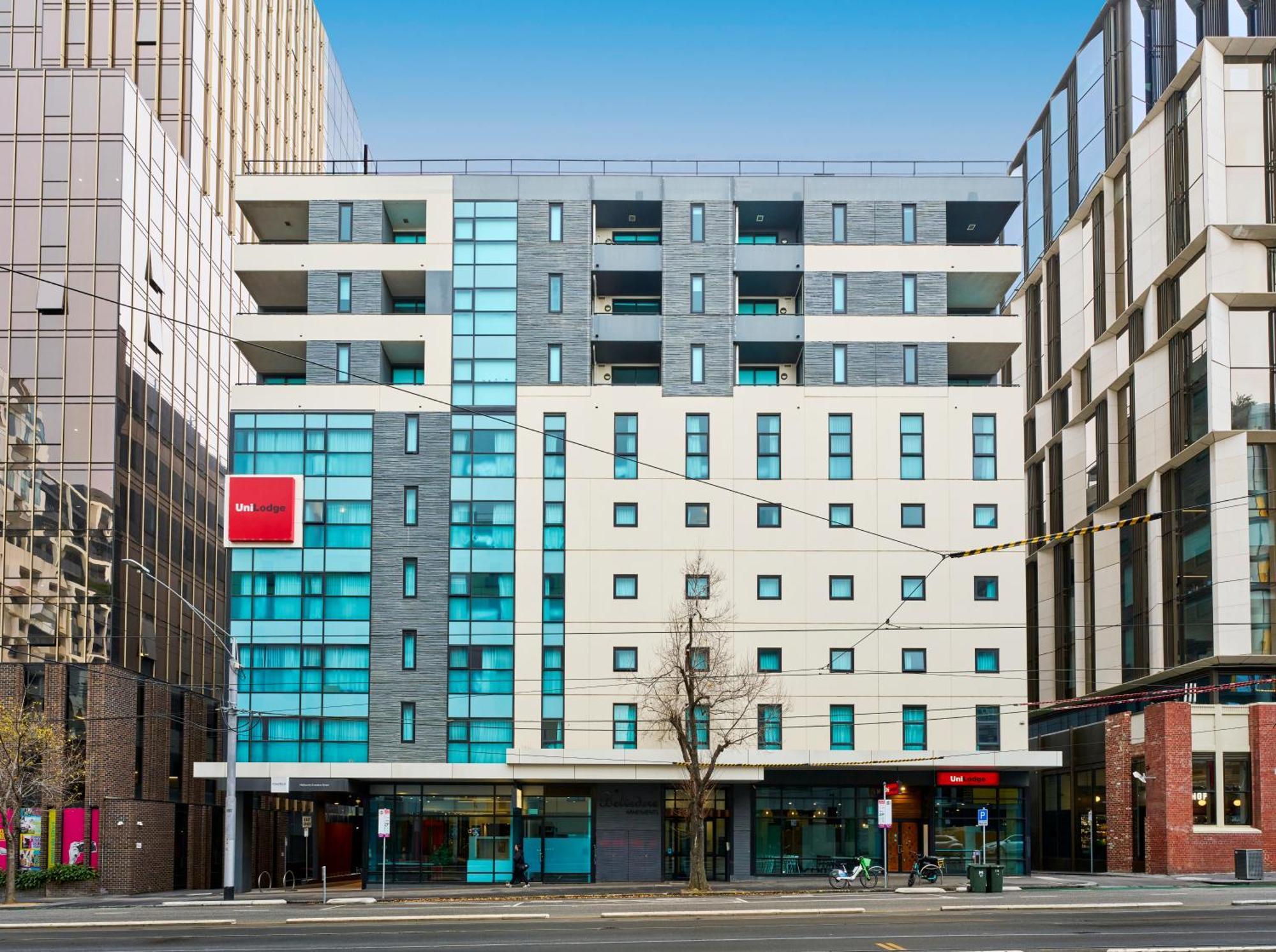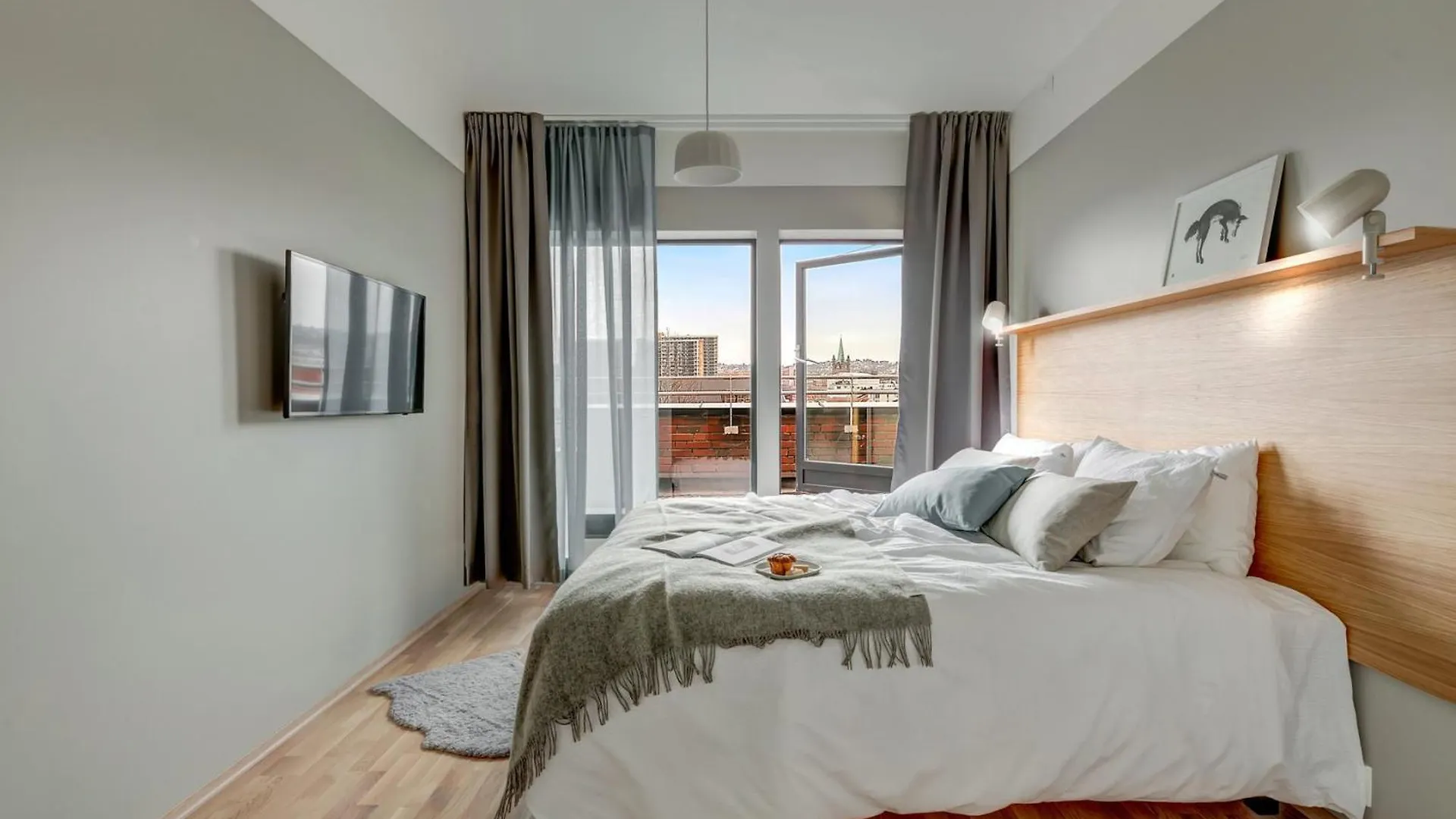
Oslo City Centre puts you within walking distance of the Norwegian Parliament, the Royal Palace grounds, and the waterfront at Aker Brygge - but not every address in the district delivers the same level of access. This guide compares 3 central hotels in Oslo City Centre, focusing on location logic, room practicality, and what each property actually offers travelers making a booking decision.
What It's Like Staying In Oslo City Centre
Oslo City Centre is compact by Scandinavian capital standards - Karl Johans Gate, the main pedestrian axis, stretches roughly 1 kilometre from the Royal Palace to Oslo Central Station (Oslo S), meaning most major landmarks are reachable on foot within 20 minutes. The district runs on trams, with lines 11, 12, and 13 threading through the centre and connecting to Grünerløkka, Majorstuen, and the waterfront in under 10 minutes. Crowd density peaks around Jernbanetorget Square and the Aker Brygge waterfront, especially on summer weekends and during Christmas market season in December, so the eastern blocks near Oslo S tend to feel noticeably busier than the quieter residential pockets near St. Hanshaugen. Travelers who need direct airport rail access benefit most from staying in this area, since the Airport Express train (Flytoget) departs Oslo S every 10 minutes and reaches Oslo Gardermoen in around 20 minutes.
Pros:
- Walking access to Oslo S, Flytoget airport rail, and the Oslo Opera House within minutes
- Dense tram and metro network reduces reliance on taxis or rideshares
- Concentrated restaurant and bar scene along Youngstorget and Grønland - no need to travel far for dinner
Cons:
- Street noise near Jernbanetorget is persistent, especially late evenings and early mornings
- Hotel prices in the centre are among the highest in Oslo - budget options are limited and fill fast
- Summer tourist density on Karl Johans Gate can make even short walks slow and crowded
Why Choose Central Hotels In Oslo City Centre
Central hotels in Oslo City Centre are positioned to eliminate transit time - a meaningful advantage in a city where Uber and taxis carry a steep price premium versus other European capitals. Unlike hotels near Frogner or Majorstuen, centrally located properties here place guests within walking reach of Oslo S, the Opera House, and the main shopping corridor without needing a transit card for daily movement. Room sizes in centrally located Oslo hotels tend to be smaller than equivalent star ratings in suburban areas, partly due to building age and city-centre real estate pressure - expect standard rooms averaging around 18-22 m2 in most mid-range properties. Properties near Jernbanetorget trade space for position, while those a 10-minute walk toward Grünerløkka tend to offer more generous layouts at slightly softer nightly rates, though they require a tram connection to reach the waterfront.
Pros:
- Zero transit cost for most sightseeing - the Royal Palace, National Theatre, and Oslo Cathedral are walkable
- Immediate access to Oslo S for day trips to Bergen by train or airport connections
- Higher concentration of 24-hour front desks and late check-in options versus outer districts
Cons:
- Around 20% higher nightly rates compared to equivalent hotels in Grünerløkka or Majorstuen
- Street-level rooms near main transit hubs suffer from consistent noise without upgraded soundproofing
- Parking is expensive and limited - driving into the city centre adds significant daily cost
Practical Booking & Area Strategy
For the best position in Oslo City Centre, properties on or immediately adjacent to Karl Johans Gate and Jernbanetorget Square offer the shortest walking times to both the cultural corridor (National Theatre, Oslo Cathedral, Royal Palace) and transit infrastructure (Oslo S, Flytoget, T-bane). Hotels one block east of Jernbanetorget, toward Bjorvika, sit within a 5-minute walk of the Oslo Opera House and have direct sightlines to the Oslo Fjord - a stronger position for visitors prioritizing the waterfront over shopping. Book at least 6 weeks ahead for stays in June and July, when Oslo's summer festival season compresses availability across the city centre dramatically. Grønland, just east of Oslo S, has emerged as a value-adjacent zone - walkable to the centre but with a more local, multicultural food scene that differs sharply from the tourist-facing restaurants on Karl Johans Gate. The T-bane (metro) hub at Stortinget station sits at the geographic midpoint of Karl Johans Gate and connects all six metro lines, making it the most strategically useful transit node for exploring beyond walking range.
Best Value Stays
These two properties offer the strongest access-to-price ratio in Oslo City Centre - one positioned for transit convenience near Oslo S, the other a short walk toward the Grünerløkka border with larger room footprints.
-
1. Forenom Aparthotel Oslo
Show on map


 Check-infrom 16:00 until 23:59Check-outuntil 11:00
Just a few rooms left at the best rate!
fromNOK 1019
-
2. Anker Hotel
Show on map


 Check-infrom 15:00 until 23:59Check-outfrom 07:00 until 11:00
Hurry – almost gone at this price!
fromNOK 1324
Best Premium Stay
For travelers who want the closest possible position to Oslo's main transit hub and cultural landmarks, with a full hotel service offering, this property sits at the top of the central selection.
-
3. Comfort Hotel Grand Central
Show on map


 Check-infrom 15:00 until 23:59Check-outfrom 06:00 until 12:00
Rooms filling fast – secure the best rate!
fromNOK 1435
Smart Travel & Timing Advice
Oslo City Centre follows a clear seasonal pricing curve: June through August represents peak demand, when daylight extends past 10 PM and the city's outdoor spaces, waterfront, and festival calendar draw maximum visitor numbers. Book central Oslo hotels at least 8 weeks ahead for summer travel - availability in well-positioned properties collapses faster here than in most Northern European capitals due to the relatively small hotel stock in the core district. September and early October offer a strong alternative window: crowds thin, prices soften by around 15-20%, and the city's autumn light makes waterfront and fjord walks considerably more pleasant than the overcrowded summer peak. December sees a second demand spike around the Oslo Christmas markets at Spikersuppa and Frogner Park - a short stay of 2 nights is typically enough to cover both the central sights and a day trip to the fjord by ferry. For last-minute bookers, mid-week availability in January and February occasionally surfaces at significantly reduced rates, though some hotel bars and on-site restaurants operate on reduced hours outside peak season.