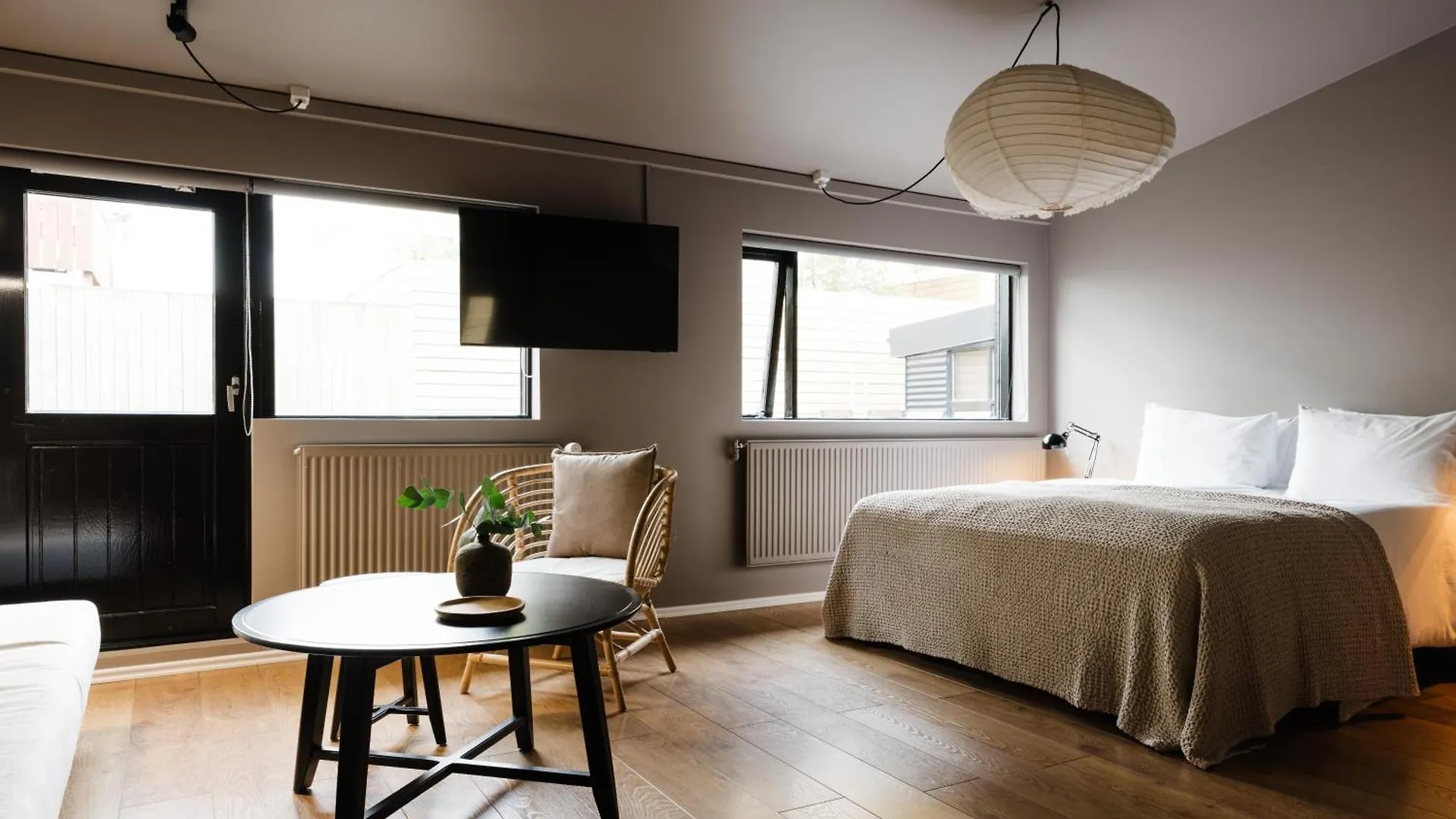
Reykjavík 101 is the capital's core postal district - the compact zone where Laugavegur shopping street, Hallgrímskirkja Church, the Old Harbour, and most of the city's nightlife, restaurants, and museums sit within a walkable grid. Staying here eliminates the need for a rental car for daily sightseeing, which matters in a city where taxis and rideshares are expensive. This guide compares five central hotels in Reykjavík 101 by micro-location, room features, and practical trade-offs to help you decide which fits your trip.
What It's Like Staying in Reykjavík 101
Reykjavík 101 is a genuinely walkable district - most hotels sit within a 15-minute walk of the main attractions, which is unusual for a capital city. Laugavegur street is both the main shopping corridor and the nightlife spine, meaning hotels within a block of it get both foot traffic noise after midnight and easy daytime access. The district is small enough that even properties toward the western edge near the parliament building are still within walking distance of the harbour and Harpa Concert Hall.
The street grid compresses everything together: grocery stores, geothermal pools, and museums are all within a 10-minute walk from most 101 addresses. Visitors who rely on public buses or rental cars will find parking expensive and often impractical inside 101, so the walkability factor genuinely substitutes for transport costs.
Pros:
- Nearly every major Reykjavík attraction is reachable on foot from any hotel in this district
- Dense concentration of restaurants, bars, and coffee shops within the district itself
- Sundhöllin geothermal pool and other local amenities are within the 101 boundary
Cons:
- Weekend nights on and near Laugavegur are loud until 3-4 AM, especially Friday and Saturday
- Hotels in this district carry a location premium - around 30% more than comparable properties in outer districts
- Street parking is metered and limited; guests with rental cars will need to factor in garage costs
Why Choose a Central Hotel in Reykjavík 101
Central hotels in Reykjavík 101 are positioned to remove friction from sightseeing: no transit planning, no transfer costs from outlying neighbourhoods, and direct access to the concentrated cultural core of the city. In a destination where daylight varies from nearly 24 hours in summer to around 5 hours in winter, being able to step out immediately when conditions are right - for Northern Lights, sudden clear skies, or harbour walks - is a meaningful practical advantage. Properties on or near Laugavegur and Aðalstræti typically charge a premium over hotels in the 105 or 107 postal districts, but they also deliver measurably higher walkability scores.
Room sizes in 101 hotels tend to be compact by international standards, reflecting the historic nature of much of the building stock. Boutique and mid-size properties dominate the category, with few large chain hotel footprints. The trade-off is character and location density versus the larger rooms and parking facilities you'd find near Keflavík Airport or in outer Reykjavík neighbourhoods.
Pros:
- Direct walking access to Laugavegur, Hallgrímskirkja, Harpa, and the Old Harbour from any 101 address
- High concentration of well-reviewed independent restaurants and bars within the district
- Eliminates daily transport costs for sightseeing in central Reykjavík
Cons:
- Rooms are typically smaller than equivalent-priced hotels in outer districts or airport zones
- Noise from Laugavegur nightlife is a genuine issue on weekend nights
- Rates spike significantly during summer (June-August) and Northern Lights season (September-March weekends)
Practical Booking & Area Strategy for Reykjavík 101
The strongest micro-locations within 101 are properties on or directly off Laugavegur, Skólavörðustígur, and Aðalstræti - these three streets form the navigational backbone of the district. Hotels on Laugavegur itself offer the most walkable access to shopping and dining but receive the most nighttime noise. Skólavörðustígur runs directly uphill toward Hallgrímskirkja and is quieter after 11 PM while still being steps from the main strip. Aðalstræti is the oldest street in Reykjavík and sits close to both the parliament building and the western harbour edge.
For the Golden Circle, whale watching departures from the Old Harbour, and the Blue Lagoon bus transfers, all three streets sit within walking distance of the main pickup points. Keflavík International Airport is around 50 km from the 101 district, so factor in taxi or shuttle costs on arrival - the Flybus stop near BSÍ bus terminal is an 8-minute walk from most 101 hotels. Book at least 8 weeks ahead for summer stays; the district sells out faster than any other Reykjavík neighbourhood during peak Aurora season weekends.
Best Value Stays
These properties combine a central 101 address with competitive pricing and practical room features - strong options for travellers prioritising location and functionality over luxury finishes.
-
1. Rey Apartments
Show on map


 Check-infrom 15:00 until 23:59Check-outuntil 11:00
Just a few rooms left at the best rate!
fromISK 36928
-
2. Hotel Reykjavik Centrum
Show on map


 Check-infrom 15:00 until 23:59Check-outuntil 12:00
Just a few rooms left at the best rate!
fromISK 32634
Best Premium Stays
These three properties sit at the upper end of the 101 central hotel market, offering elevated room standards, branded facilities, and stronger positioning relative to the district's top landmarks.
-
3. Fosshotel Reykjavik
Show on map


 Check-infrom 15:00 until 23:59Check-outuntil 12:00
Hurry – almost gone at this price!
fromISK 42449
-
4. Alda Hotel Reykjavik
Show on map


 Check-infrom 15:00 until 23:59Check-outuntil 11:00
Hurry – almost gone at this price!
fromISK 49810
-
5. Iceland Parliament Hotel, Curio Collection By Hilton
Show on map


 Check-infrom 15:00 until 23:59Check-outuntil 11:00
Rooms filling fast – secure the best rate!
fromISK 81953
Smart Travel & Timing Advice for Reykjavík 101
June through August is the peak season in Reykjavík 101, when midnight sun draws visitors from across Europe and North America and hotel rates in the district reach their annual ceiling. Availability on Laugavegur-adjacent properties during the first two weeks of August - when Reykjavík Culture Night takes place - disappears fast, and booking 10 weeks ahead is not excessive. September and October represent a practical sweet spot: Northern Lights become visible on clear nights, crowds thin noticeably after the summer peak, and rates drop while the city remains fully operational.
January through March is the quietest period, with some 101 restaurants and tour operators running reduced schedules. Northern Lights sightings from the 101 district itself are rare due to light pollution - guests need to travel outside the city boundary for aurora viewing, which guided tours from the Old Harbour facilitate. A stay of 3 nights covers the central Reykjavík experience comfortably; adding a 4th night makes sense if you plan a Golden Circle day trip and still want a full day in the city itself. Last-minute rates in 101 are rarely discounted in summer - the demand profile doesn't support it.