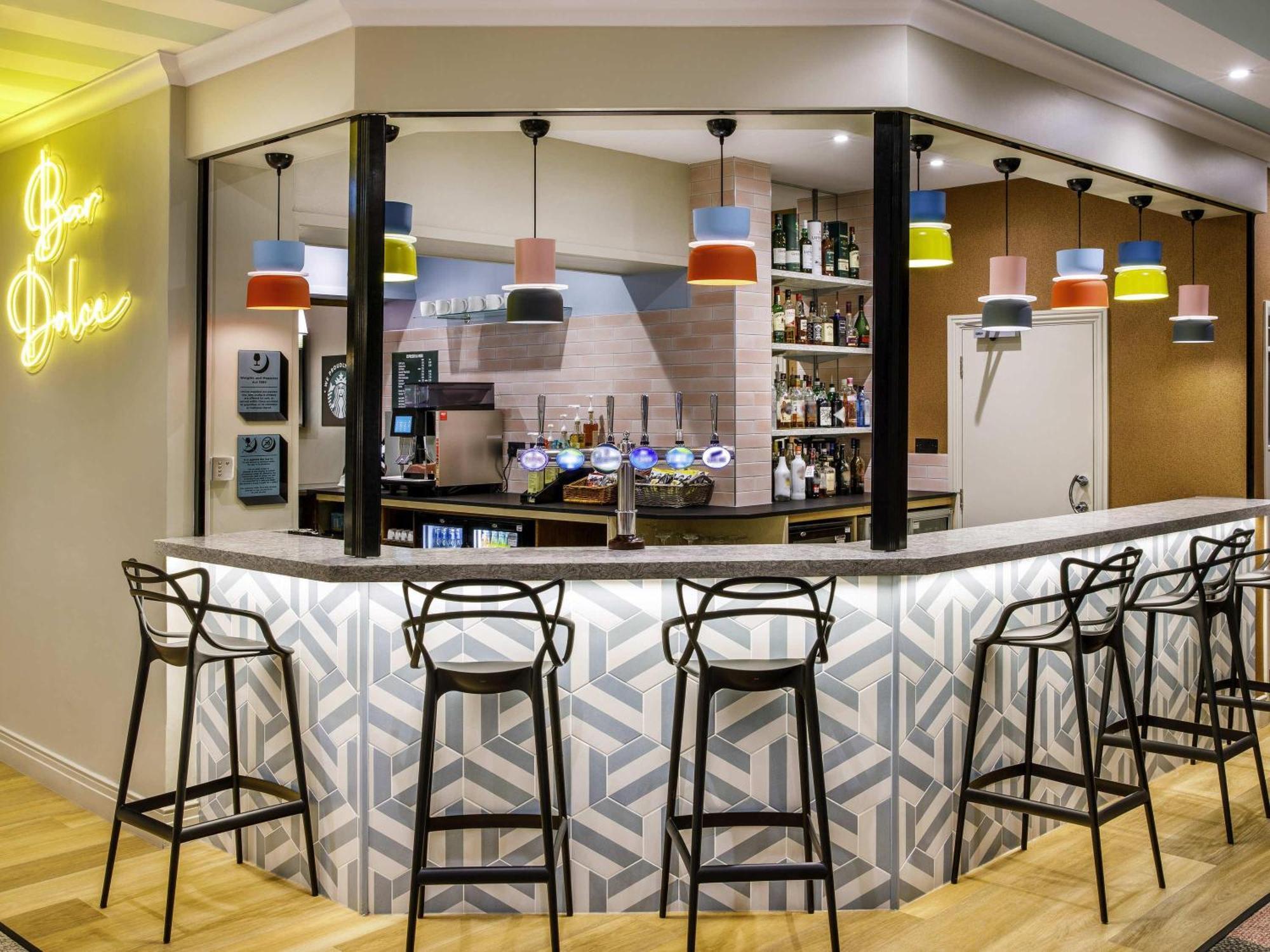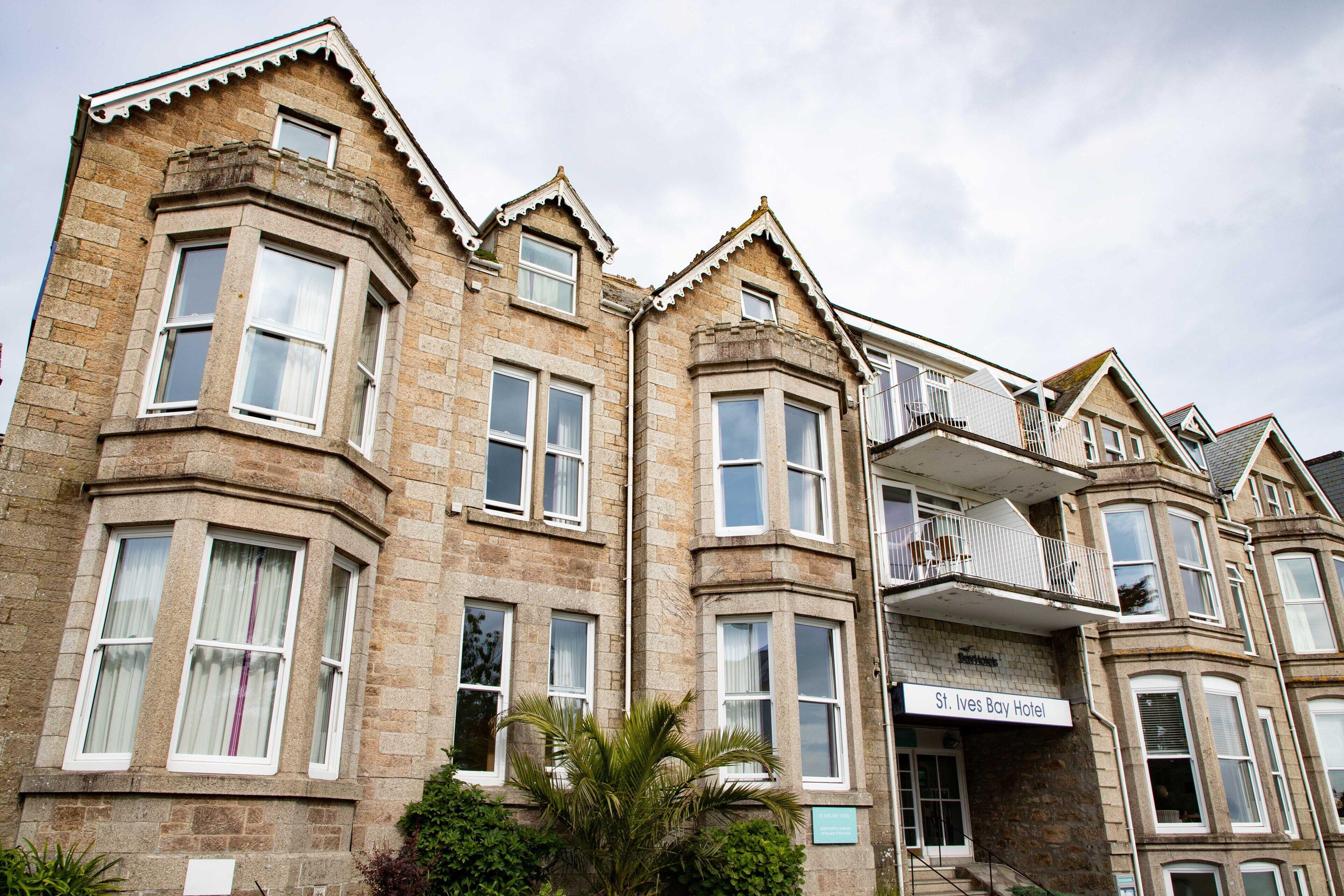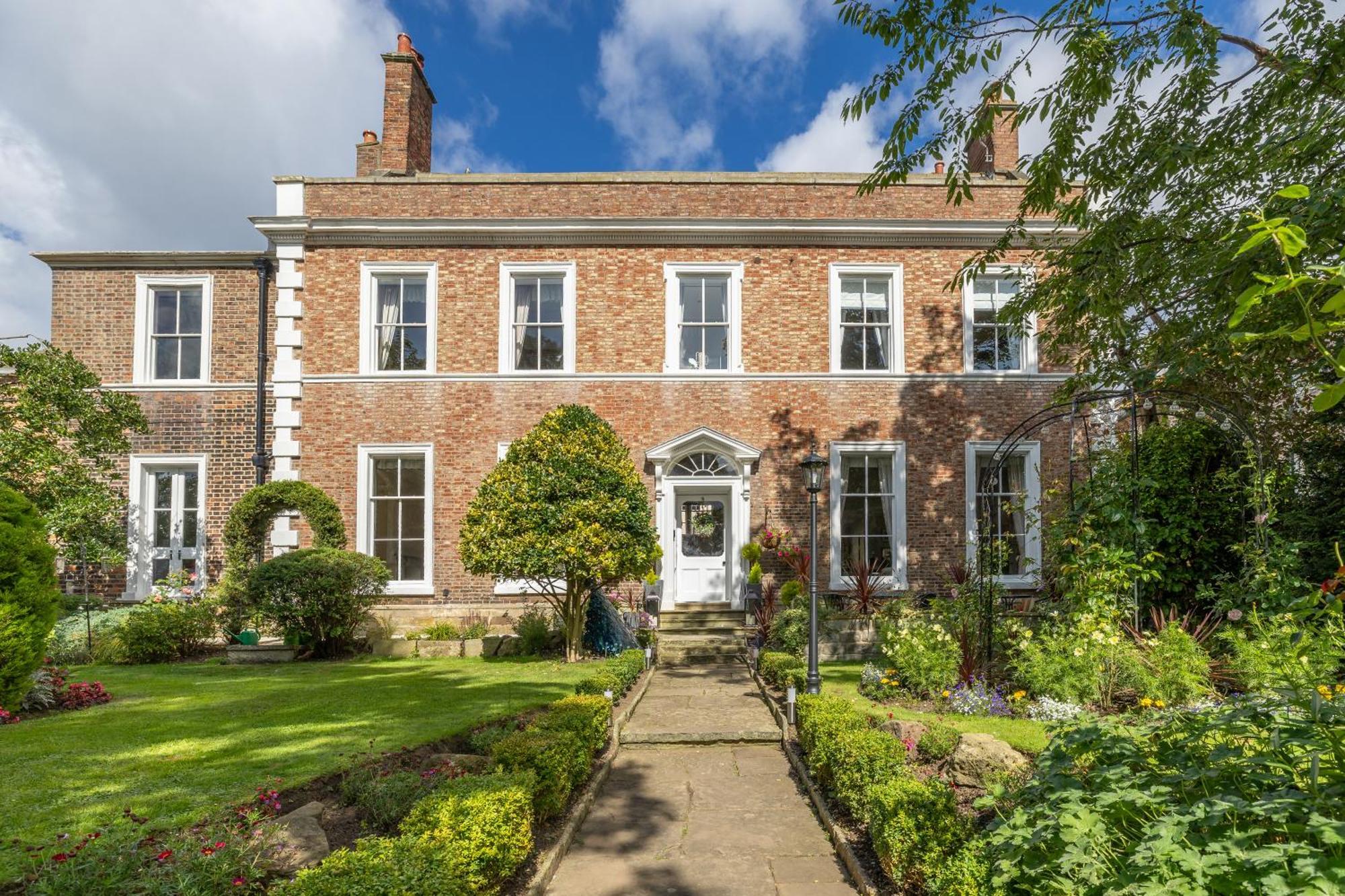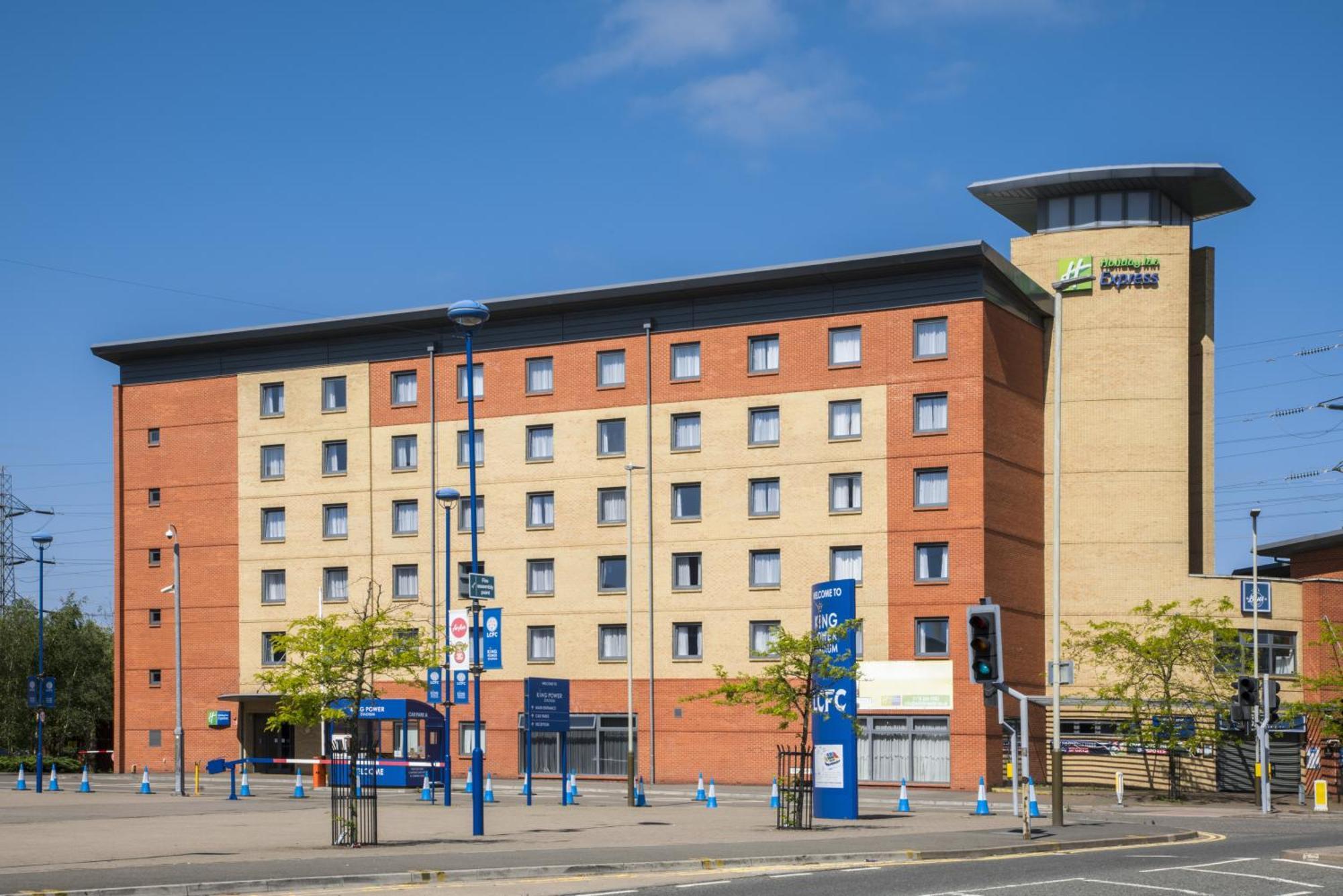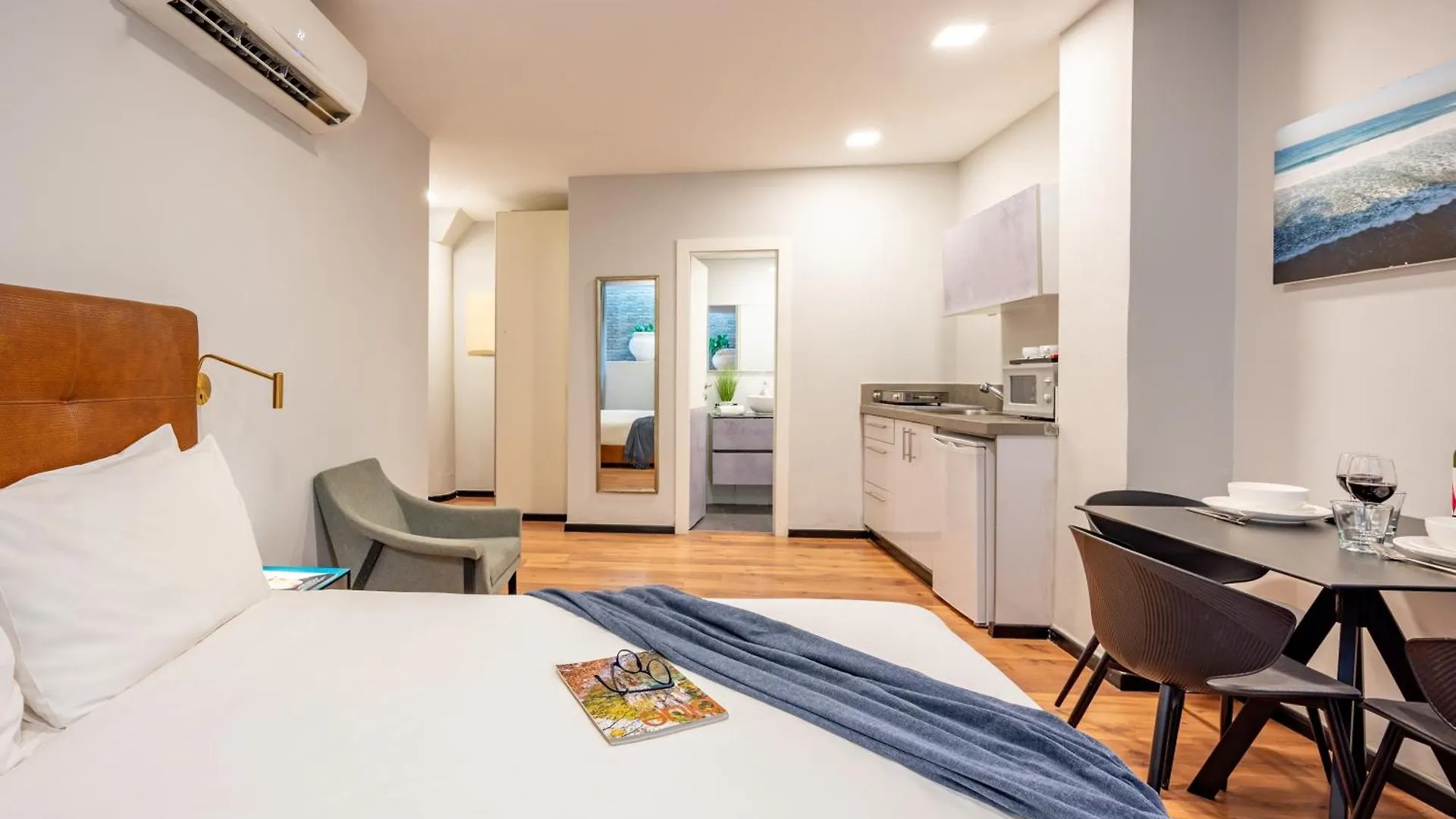
Tel Aviv City-Centre puts you within walking distance of the Mediterranean beachfront, the Sarona cultural complex, and the city's main commercial spine along Dizengoff and Ben Yehuda streets. These four central hotels cover the full spectrum - from apartment-style stays near the shore to high-rise business addresses beside Tel Aviv HaShalom train station - giving you genuine options depending on how you plan to move through the city.
What It's Like Staying In Tel Aviv City-Centre
Tel Aviv City-Centre is not a single street - it stretches from the beachfront promenade eastward to the Azrieli towers, meaning your exact micro-location determines your daily rhythm entirely. Hotels near Ben Yehuda Street put you within a 5-minute walk of the sand, while properties closer to HaShalom station drop you into a business corridor where street noise from highway-adjacent infrastructure is noticeable at night. The area is walkable by day, but distances from east to west can reach around 3 kilometres, so a clear sense of your priorities - beach, transport, or nightlife - should drive your hotel choice. Crowds peak heavily along the promenade and Dizengoff area on weekends, while the Sarona and Azrieli zones stay busier on weekdays with local workers.
Pros:
- Tel Aviv HaShalom station gives direct rail access to Ben Gurion Airport in around 20 minutes, eliminating taxi dependency
- The beachfront, Sarona Market, Nachalat Binyamin Crafts Fair, and Suzanne Dellal Center are all reachable on foot from most central addresses
- Dining and nightlife density is genuinely high - Ben Yehuda, Dizengoff, and the Sarona complex all offer restaurant clusters within 10 minutes of the hotel core
Cons:
- Street noise from traffic, construction, and late-night pedestrian activity is a real issue on main corridors like Ben Yehuda and HaYarkon
- Parking is expensive and limited - the city centre is not designed for guests arriving by car
- Hotels adjacent to the business district (Azrieli, HaShalom) feel disconnected from beach culture, requiring a bus or long walk to reach the seafront
Why Choose Central Hotels In Tel Aviv City-Centre
Central hotels in Tel Aviv City-Centre occupy a practical sweet spot: they absorb the city's transport infrastructure while keeping cultural landmarks within reach on foot. Unlike hotels further north in the Tel Aviv port area or south in Jaffa, the city-centre properties are positioned to serve both leisure guests and corporate travellers using the same address. Rates at centrally located hotels typically run around 20% higher than equivalent properties in Florentin or the southern neighbourhoods, but the trade-off is genuine - you avoid needing taxis for daily movement. Room sizes vary considerably: apartment-style units on Ben Yehuda can deliver full kitchens and terraces, while high-rise tower rooms tend toward compact layouts optimised for views over living space.
Pros:
- Proximity to HaShalom and Hashalom interchange gives fast bus and rail connectivity across the wider Tel Aviv metropolitan area
- Hotel categories here span apartment suites, design boutique properties, and full-service business hotels - genuine variety within a compact radius
- Several properties include rooftop or high-floor amenities (pools, restaurants) that deliver city and sea views unavailable in lower-rise neighbourhoods
Cons:
- Central Tel Aviv hotel rooms are noticeably smaller than comparable price points in less dense districts - expect compact layouts in standard categories
- The volume of tourists and business travellers means that popular restaurants and beach access points near central hotels get crowded, especially June through August
- Some central addresses sit in purely commercial zones with limited neighbourhood character - the area around Azrieli, for instance, shuts down after business hours
Practical Booking & Area Strategy
The most strategically positioned streets for central Tel Aviv hotels are Ben Yehuda Street for beach-proximity, HaYarkon Street for the seafront itself, and the Kaplan Street corridor near Azrieli for transport-first travellers. If your trip involves an early airport departure or arrival, staying within 500 metres of Tel Aviv HaShalom station removes all timing stress - the airport rail link runs frequently and costs a fraction of a taxi. For beach access without full beachfront pricing, Ben Yehuda properties sit one short block back from the shore but charge noticeably less than HaYarkon addresses. The Sarona complex - 37 restored Templar buildings now housing cafés, galleries, and restaurants - is walkable from both the Azrieli hotel cluster and the central beachside hotels, making it a consistent landmark for dining decisions regardless of where you stay. Book at least 6 weeks ahead for summer stays (June-August) and during Jewish holidays such as Passover and Rosh Hashanah, when domestic demand alone fills central properties. The promenade at night is active and safe; the area around Azrieli is quiet but well-lit after dark.
Best Value Stays
These two properties deliver strong central positioning with practical amenities at accessible price points - one steps from the beach, the other embedded in the city's boutique hospitality scene.
-
1. Sea Land Suites - By Echo Hotels
Show on map


 Check-infrom 15:00 until 23:59Check-outuntil 11:00
Just a few rooms left at the best rate!
fromILS 362
-
2. Fabric Hotel - An Atlas Boutique Hotel
Show on map


 Check-infrom 15:00 until 23:59Check-outuntil 11:00
Just a few rooms left at the best rate!
fromILS 580
Best Premium Stays
These two high-rise properties offer full-service amenities, elevated views, and direct transport or seafront positioning that justify their higher rate tier for guests who want infrastructure alongside location.
-
3. Crowne Plaza Tel Aviv City Center By Ihg
Show on map


 Check-infrom 15:00 until 23:59Check-outuntil 11:00
Hurry – almost gone at this price!
fromILS 723
-
4. Sea Tower By Isrotel Design
Show on map


 Check-infrom 15:00 until 23:59Check-outuntil 12:00
Rooms filling fast – secure the best rate!
fromILS 852
Smart Travel & Timing Advice
Tel Aviv City-Centre operates on a year-round tourism calendar, but the dynamics shift sharply by season. June through August brings peak beach demand, and central hotel rates can spike by around 35% compared to October or March prices - booking 6 to 8 weeks ahead for summer is not optional if you want specific properties. The shoulder months of April-May and October-November offer the strongest value: temperatures remain warm for beach use, the promenade is less crowded, and rates at high-rise properties like the Isrotel Tower drop meaningfully. Jewish holidays - particularly Passover (March/April) and the High Holiday period (September/October) - drive domestic Israeli travel hard, filling city-centre hotels with local guests and pushing rates up even outside the summer window. A stay of 3 nights minimum makes logistical sense in central Tel Aviv; shorter stays don't allow enough time to cover both the beach and cultural circuit (Sarona, Nachalat Binyamin, Suzanne Dellal) without feeling rushed. Last-minute bookings in summer are high-risk - availability at well-located central properties typically disappears 3 weeks before arrival during July and August.