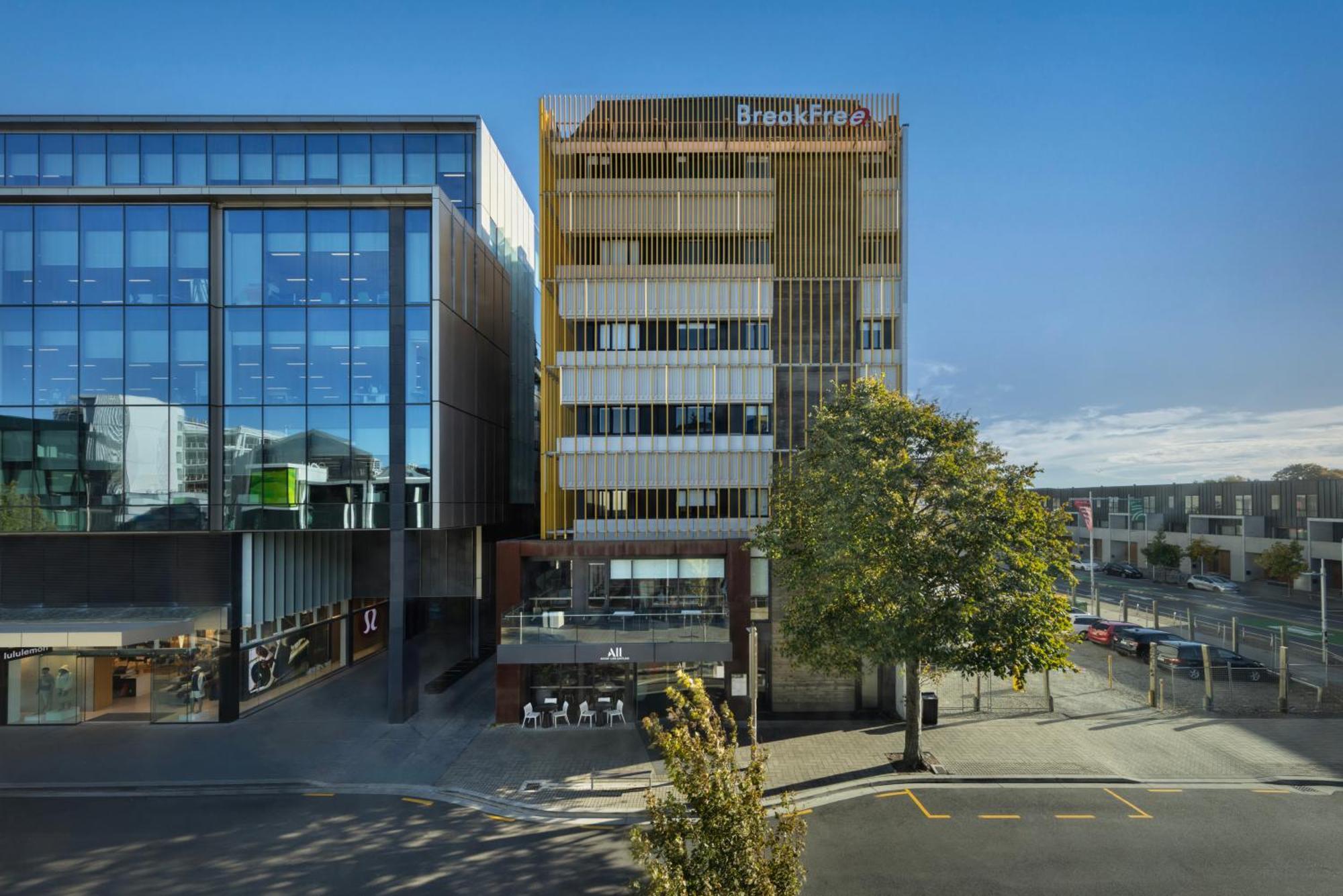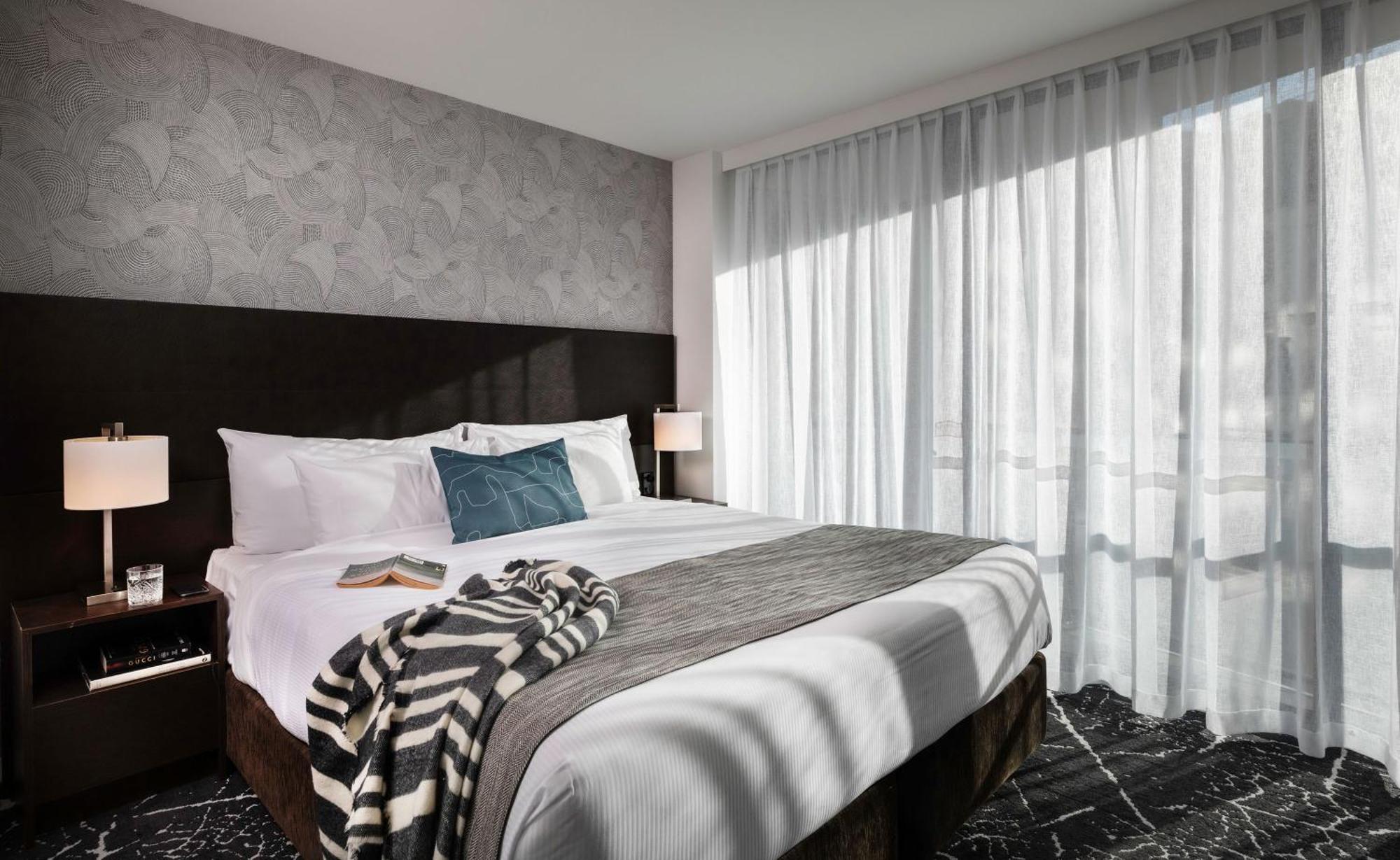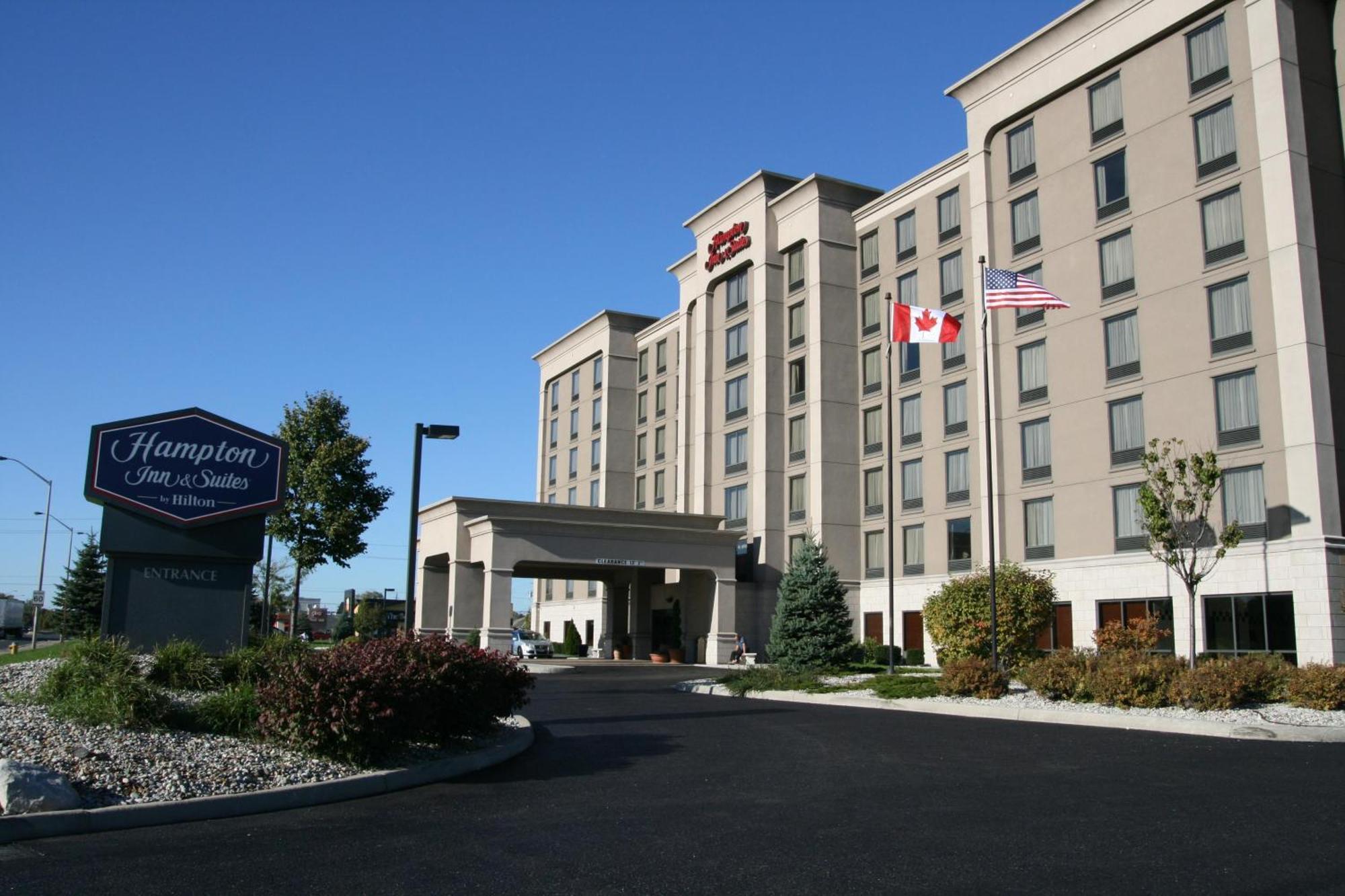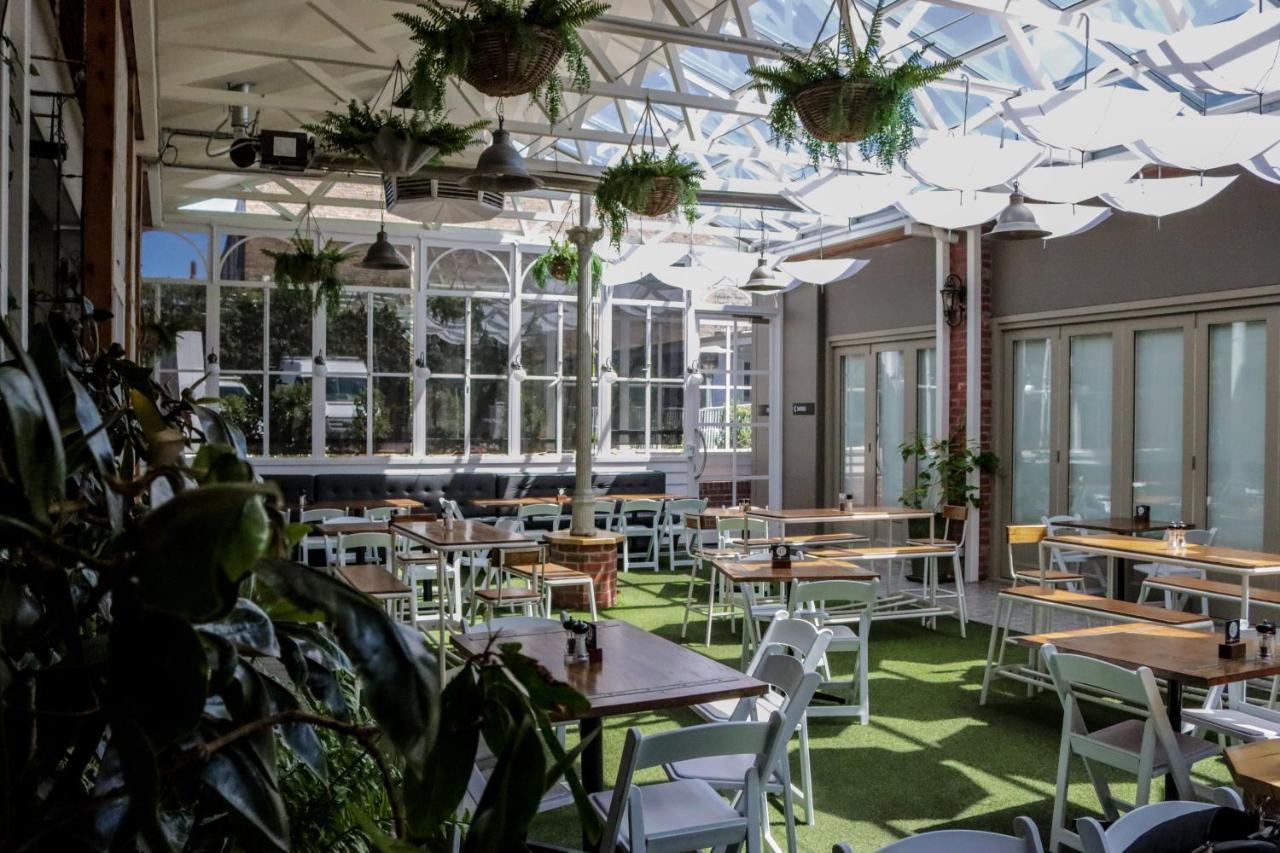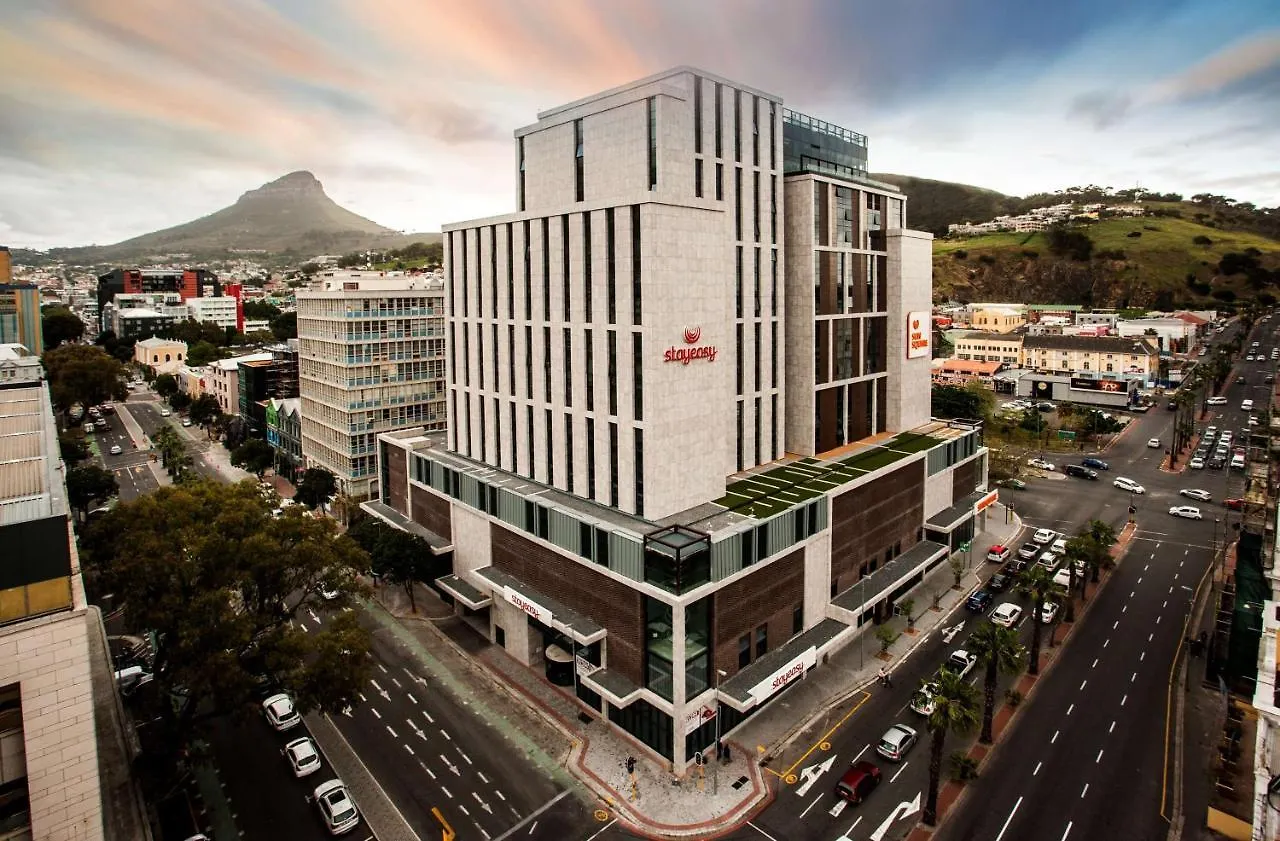
Cape Town's city centre and its surrounding districts - the CBD, Foreshore, Bo-Kaap slopes, and V&A Waterfront gateway - offer one of the most architecturally and culturally varied hotel landscapes in Africa. From rooftop pools overlooking Table Mountain to apartments steps from the CTICC, these 15 design-conscious hotels each bring something structurally distinct to the table. This guide cuts through the options to help you book with precision.
What It's Like Staying in Cape Town's City Centre
Staying in Cape Town's CBD and inner districts means you are within walking distance of Greenmarket Square, Long Street, and the Cape Town International Convention Centre - but the city's true drawcards, Table Mountain and the V&A Waterfront, still require a short drive or rideshare. Most landmark attractions sit within a 3 km radius of the central core, making the area logistically efficient for sightseeing. The city centre moves at a fast pace during business hours but quiets noticeably after dark in certain blocks, so neighbourhood selection within the CBD matters.
Pros:
- Walking access to Greenmarket Square, Long Street, Bo-Kaap, and the Company Gardens without needing transport
- Competitive hotel rates compared to V&A Waterfront properties, often around 30% lower for equivalent star ratings
- Strong concentration of restaurants, coffee shops, and cultural sites within a compact urban grid
Cons:
- Certain CBD streets feel quieter and less safe after 21:00, requiring awareness of your specific block
- Table Mountain and Camps Bay beach require a car or rideshare - not walkable from the centre
- Parking in the CBD is expensive and limited; guests relying on private vehicles will pay extra or plan carefully
Why Choose Design Hotels in Cape Town's City Centre
Design hotels in Cape Town's city centre distinguish themselves through deliberate architectural identity - rooftop pools with Table Mountain sightlines, heritage buildings converted into boutique stays, and interiors that reference Cape Dutch and Bo-Kaap cultural heritage rather than generic international hotel aesthetics. Most design-forward properties here are 4-star rated, offering a meaningful upgrade in room finish and visual character over standard business hotels without reaching full luxury pricing. Room sizes in the CBD tend to be more generous than in comparable European city-centre hotels, though entry-level rooms in converted heritage properties can still feel compact.
Pros:
- Architecturally distinctive properties with locally sourced design elements and culturally rooted interiors
- Rooftop pools and terraces with direct Table Mountain or harbour views are common at this category level
- Access to on-site restaurants serving Cape cuisine and local wine lists - not generic hotel dining
Cons:
- Design-led properties in heritage buildings sometimes sacrifice soundproofing and storage space for aesthetics
- Parking is rarely seamless - most design hotels offer nearby or off-site parking at additional cost
- Peak season demand (November through January) pushes availability low and prices high across this category
Practical Booking and Area Strategy for Cape Town
For central access to both cultural and business attractions, properties along or near St George's Mall, Long Street, and Adderley Street offer the tightest walkable grid - the CTICC is reachable on foot from most of these in under 15 minutes. The Foreshore and V&A Waterfront gateway zone adds proximity to the harbour and Two Oceans Aquarium, though it sits slightly removed from the Long Street nightlife and Bo-Kaap neighbourhood character. Signal Hill and Kloof Street properties offer elevated mountain views and access to Camps Bay within around 10 minutes by car, at the trade-off of being further from the CBD grid. Book at least 8 weeks ahead for December and January stays - Cape Town's summer high season compresses availability sharply, and design hotel inventory in particular sells out early. The Cape Town MyCiTi bus network connects the CBD to the V&A Waterfront and Sea Point reliably, making car-free stays viable for most itineraries. Key things to do within reach include walking the Bo-Kaap cobblestones, visiting Robben Island via ferry, hiking Lion's Head, and exploring the Neighbourgoods Market in Woodstock on Saturdays.
Best Value Design Stays
These properties deliver strong design character and central positioning at rates that remain accessible relative to the premium tier - making them the practical choice for travellers who want visual distinctiveness without full luxury pricing.
-
1. Stayeasy Cape Town City Bowl
Show on map


 Check-infrom 14:00 until 23:59Check-outuntil 11:00
Hurry – almost gone at this price!
fromR 1108
-
2. Cape Diamond Boutique Hotel
Show on map


 Check-infrom 14:00 until 23:30Check-outfrom 07:00 until 10:00
Rooms filling fast – secure the best rate!
fromR 546
-
3. Fountains Hotel By Neighbourgood
Show on map


 Check-infrom 14:00 until 23:59Check-outfrom 04:00 until 11:00
Best price guarantee
fromR 996
-
4. Cape Town Lodge Hotel
Show on map


 Check-infrom 14:00 until 23:59Check-outuntil 11:00
Rooms filling fast – secure the best rate!
fromR 562
-
5. Southern Sun Cape Sun
Show on map


 Check-infrom 14:00 until 23:59Check-outuntil 11:00
Best price guarantee
fromR 1783
-
6. Cape Town Hollow Boutique Hotel Cbd
Show on map


 Check-infrom 14:00 until 23:59Check-outuntil 11:00
Best price guarantee
fromR 867
Best Premium Design Stays
These properties lead on architectural presence, spa and wellness access, dining quality, and landmark positioning - with several occupying historically significant buildings or holding direct gateway access to Cape Town's most iconic destinations.
-
7. Pullman Cape Town City Centre
Show on map


 Check-infrom 14:00 until 23:59Check-outuntil 11:00
Best price guarantee
fromR 1285
-
8. Signal Hill Lodge
Show on map


 Check-infrom 14:00 until 23:59Check-outuntil 11:00
Best price guarantee
fromR 498
-
9. Onomo Hotel Cape Town - Inn On The Square
Show on map


 Check-infrom 14:00 until 23:59Check-outuntil 10:00
Best price guarantee
fromR 771
-
10. Southern Sun Waterfront Cape Town
Show on map


 Check-infrom 14:00 until 23:59Check-outuntil 11:00
Best price guarantee
fromR 2586
-
5. The Westin Cape Town
Show on map


 Check-infrom 15:00 until 23:59Check-outuntil 12:00
Just a few rooms left at the best rate!
fromR 1751
-
6. Taj Cape Town
Show on map


 Check-infrom 15:00 until 23:30Check-outfrom 06:00 until 12:00
Just a few rooms left at the best rate!
fromR 3293
-
7. The Onyx Apartment Hotel By Newmark
Show on map


 Check-infrom 14:00 until 23:59Check-outuntil 11:00
Best price guarantee
fromR 2425
-
8. City Lodge Hotel V&A Waterfront
Show on map


 Check-infrom 14:00 until 23:59Check-outfrom 04:00 until 11:00
Just a few rooms left at the best rate!
fromR 2763
-
9. Kensington Place
Show on map


 Check-infrom 14:00 until 23:59Check-outfrom 01:00 until 11:00
Hurry – almost gone at this price!
fromR 4064
Smart Timing and Booking Advice for Cape Town
Cape Town's high season runs from November through January, when the city's summer weather draws peak visitor volumes and hotel rates across the design category climb sharply. Book at least 8 weeks ahead for December stays - properties near the V&A Waterfront and Greenmarket Square fill fastest, and design hotels with rooftop pools are typically the first inventory to sell out. March through May offers the most favourable value window: the weather remains warm, crowds thin considerably after the summer rush, and rates at mid-tier properties can drop by around 25% compared to January peaks. June through August is the Cape Town winter - cooler and wetter, but a practical period for city-centre stays focused on culture, dining, and the CTICC convention calendar rather than beach access. A minimum of 3 nights is worth planning for the city centre; shorter stays rarely allow enough time to reach both Table Mountain and the V&A Waterfront meaningfully alongside CBD exploration. Last-minute availability does open up occasionally in September and October, but the choice of design-forward properties narrows quickly as spring bookings accelerate.