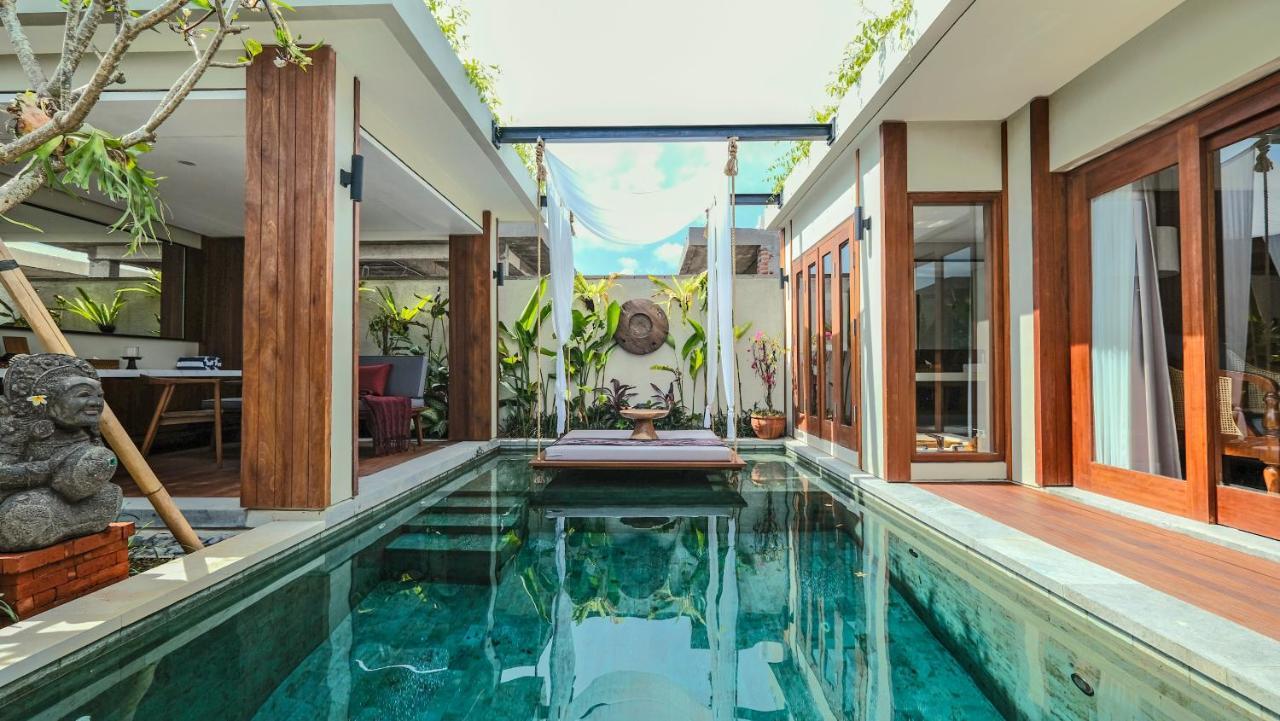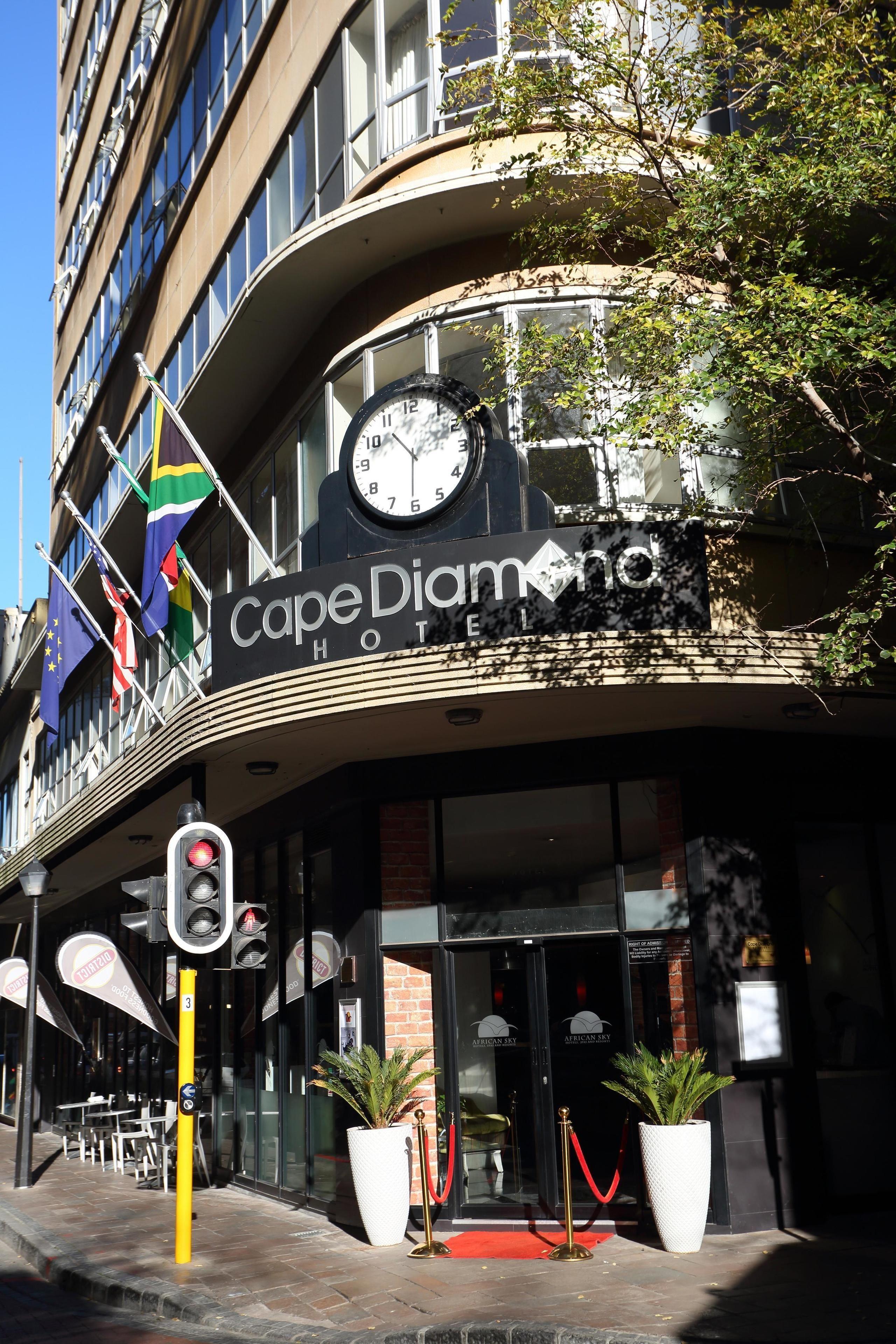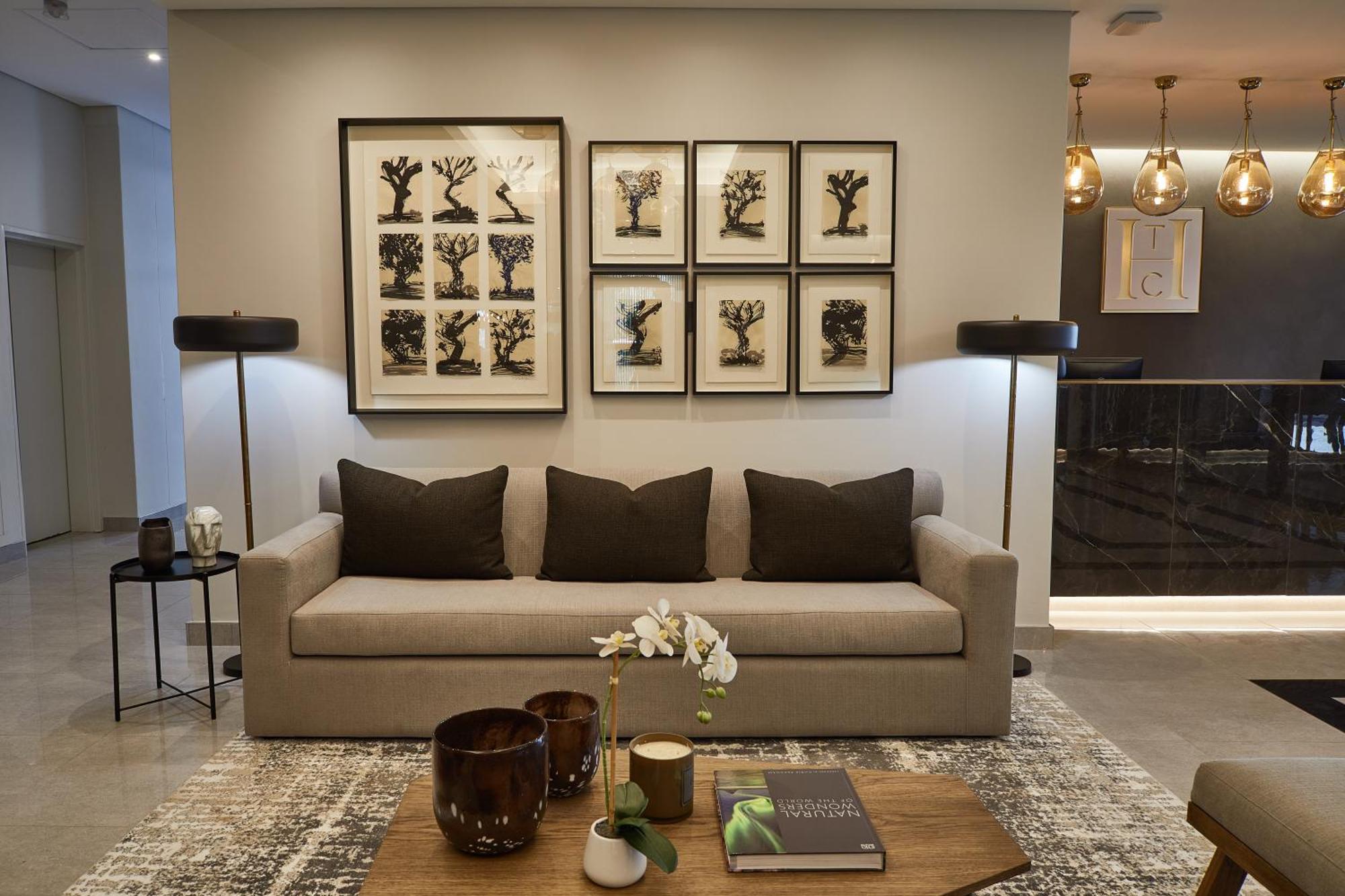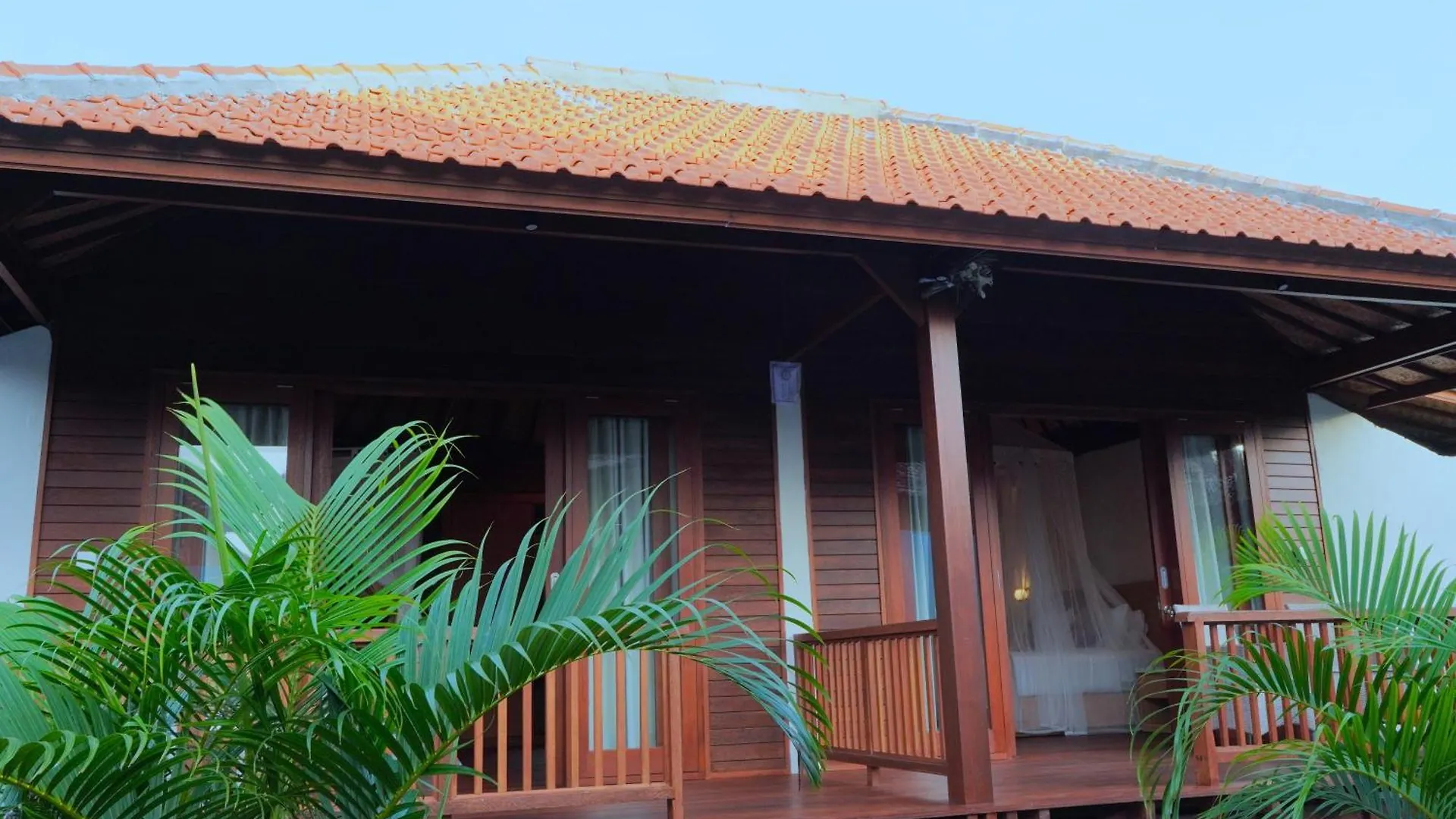
Jungut Batu is Nusa Lembongan's most connected village - home to the island's main boat pier, the bulk of its accommodation, and direct access to the reef breaks that put Lembongan on the map. Staying here means you're within walking distance of dive operators, warungs, and the shoreline, without needing a scooter for every errand. For travelers seeking spa facilities alongside that access, Jungut Batu offers a focused selection of properties that combine wellness amenities with genuine beachside positioning.
What It's Like Staying in Jungut Batu
Jungut Batu sits on the northwest coast of Nusa Lembongan and functions as the island's operational hub - the fast boats from Sanur dock here, most rental scooters originate here, and the main strip running parallel to the beach concentrates dive shops, cafes, and small guesthouses within a compact walkable corridor. The beachfront road is entirely motorbike-friendly, which means foot traffic and two-wheelers share the same narrow lane, particularly busy between 9am and 5pm when day-trippers arrive from Bali. Evenings settle quickly; by 9pm the village is noticeably quieter than Kuta or Seminyak, making it genuinely restful for guests focused on early-morning dives or morning spa sessions.
Pros:
- Direct boat connections to Sanur (Bali) in around 30 minutes - no need for overnight logistics
- Walking access to snorkeling sites, dive operators, and the beach strip without renting transport
- Quieter nighttime atmosphere compared to Bali's southern resort corridors
Cons:
- Daytime motorbike congestion on the main beachfront lane can disrupt leisurely walks
- Limited ATM infrastructure - cash withdrawal options are scarce past the main pier area
- Day-tripper crowds arriving by speedboat peak between 10am and 2pm near the docking zone
Why Choose a Spa Hotel in Jungut Batu
Spa hotels in Jungut Batu occupy a specific niche: they are the only properties on Nusa Lembongan that combine on-site treatment facilities with outdoor pools, beachfront or ocean-view positioning, and in-house dining - all on an island with no large resort chains. Rates at spa-equipped properties here run noticeably higher than at standard guesthouses, but the gap buys you private pool access, structured wellness programming, and room service that basic bungalows simply don't provide. Room sizes in this category are generally larger than the island average, with terraces or balconies standard in most configurations, though some properties require navigating stairs due to the terraced hillside terrain common in Lembongan.
Pros:
- On-site spa treatments eliminate the need to arrange transport to separate wellness venues on a car-free island
- Outdoor pools and ocean-view terraces are standard in this category, providing value beyond the room itself
- In-house restaurants at spa hotels in Jungut Batu typically serve full breakfast and multi-cuisine menus, reducing reliance on outside dining
Cons:
- Stair access is common across hillside spa properties - not suitable for guests with mobility limitations
- Higher rates compared to around 60% of Lembongan accommodation - budget travelers will find cheaper alternatives nearby
- Spa menus are smaller than what dedicated wellness resorts in Ubud or Seminyak offer
Practical Booking & Area Strategy
The most strategically positioned spa hotels in Jungut Batu sit along or just off Jalan Jungutbatu, the beachfront road that runs the length of the village - this placement puts guests within a 5-minute walk of the main boat dock and the snorkeling point at the north end of the beach. Properties set slightly inland or elevated above the road gain ocean views and reduced traffic noise, which is a genuine quality-of-life difference on a busy arrival day. For water sports access, the stretch near the southern end of Jungut Batu beach connects directly to operators offering diving, surfing lessons, and mangrove tours - no transport required.
Nusa Lembongan draws strong visitor numbers from June through August and again across the Christmas-New Year window, when fast boat seats and beachfront spa rooms sell out weeks in advance. Book at least 3 weeks ahead for peak-season stays, particularly for properties with private pool villas or limited room counts. The shoulder months of April-May and September-October offer the best combination of calm seas, full spa availability, and marginally lower rates without sacrificing dive visibility or beach conditions.
Best Value Spa Stays
These properties deliver spa facilities, pool access, and ocean positioning at rates that sit within the accessible mid-tier for Nusa Lembongan - a sensible entry point for first-time visitors to the island who want amenities without committing to villa pricing.
-
1. Bali Belva
Show on map


Just a few rooms left at the best rate!
fromUS$ 49
-
2. The Acala Shri Sedana
Show on map


Just a few rooms left at the best rate!
fromUS$ 116
Best Premium Spa Stays
These two resorts represent the upper tier of spa accommodation in the Jungut Batu and Nusa Lembongan area, offering villa-style rooms, private pools, and structured resort services that go beyond standard island guesthouse facilities.
-
3. Lembongan Beach Club & Resort
Show on map


Hurry – almost gone at this price!
fromUS$ 142
-
4. Batu Karang Lembongan Resort & Spa
Show on map


Rooms filling fast – secure the best rate!
fromUS$ 175
Smart Travel & Timing Advice
Nusa Lembongan's dry season runs from May through October, with July and August bringing the strongest swell for surfing at Shipwrecks and Lacerations, clear underwater visibility for diving, and the highest occupancy across all accommodation categories. Spa hotels in Jungut Batu fill fastest in late July, when Bali's southern beaches are at their most congested and travelers migrate to the Nusa islands for a quieter alternative - booking a month ahead is the practical minimum for this window.
The wet season from November through March brings lower rates across the island, with some spa properties offering reductions of around 25% versus peak pricing, but afternoon rain is common and some fast boat operators reduce frequency during rough-sea days in January and February. A 3-night minimum makes logistical sense given the boat transfer time from Sanur - shorter stays compress the cost-benefit of the crossing. April-May and September-October remain the most tactically sound booking window: post-peak pricing, reliable weather, and full property operations without the August crowds.