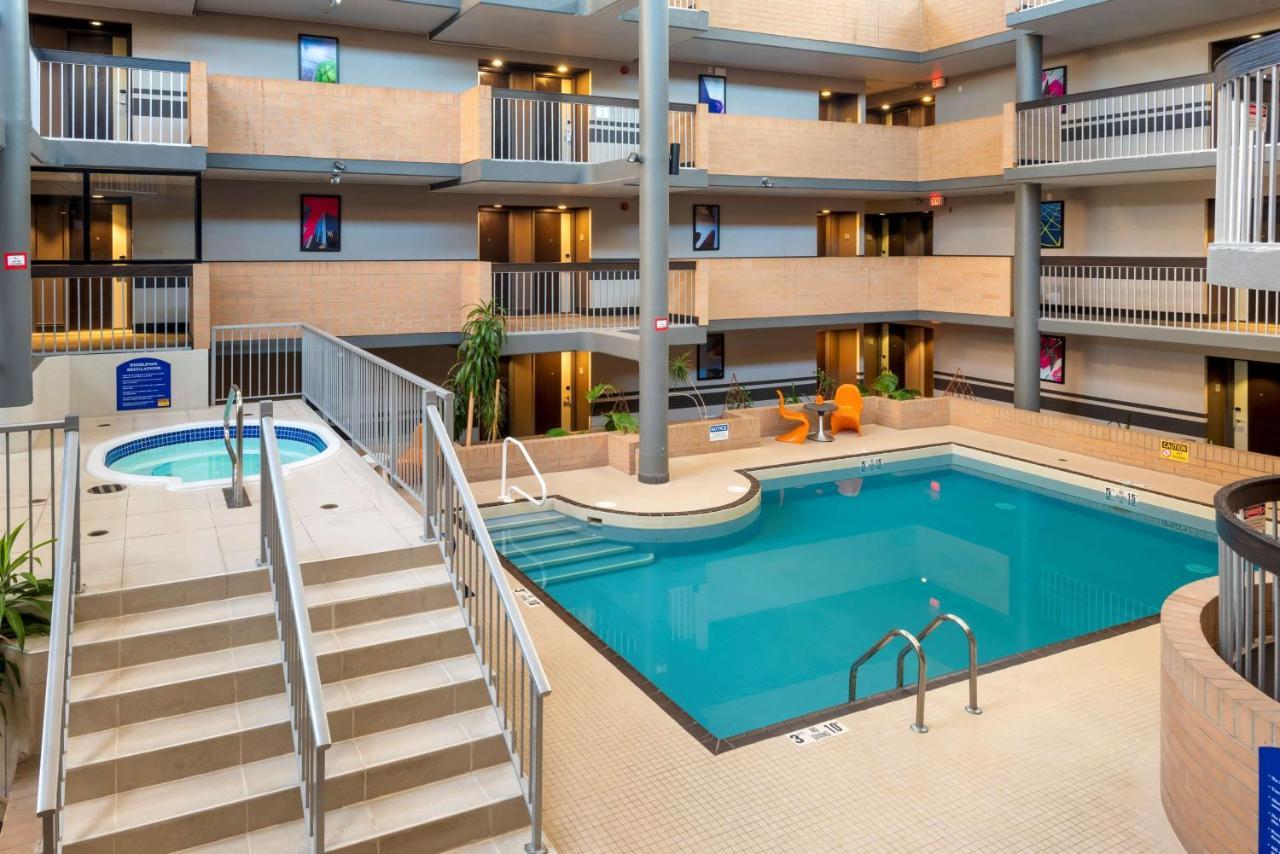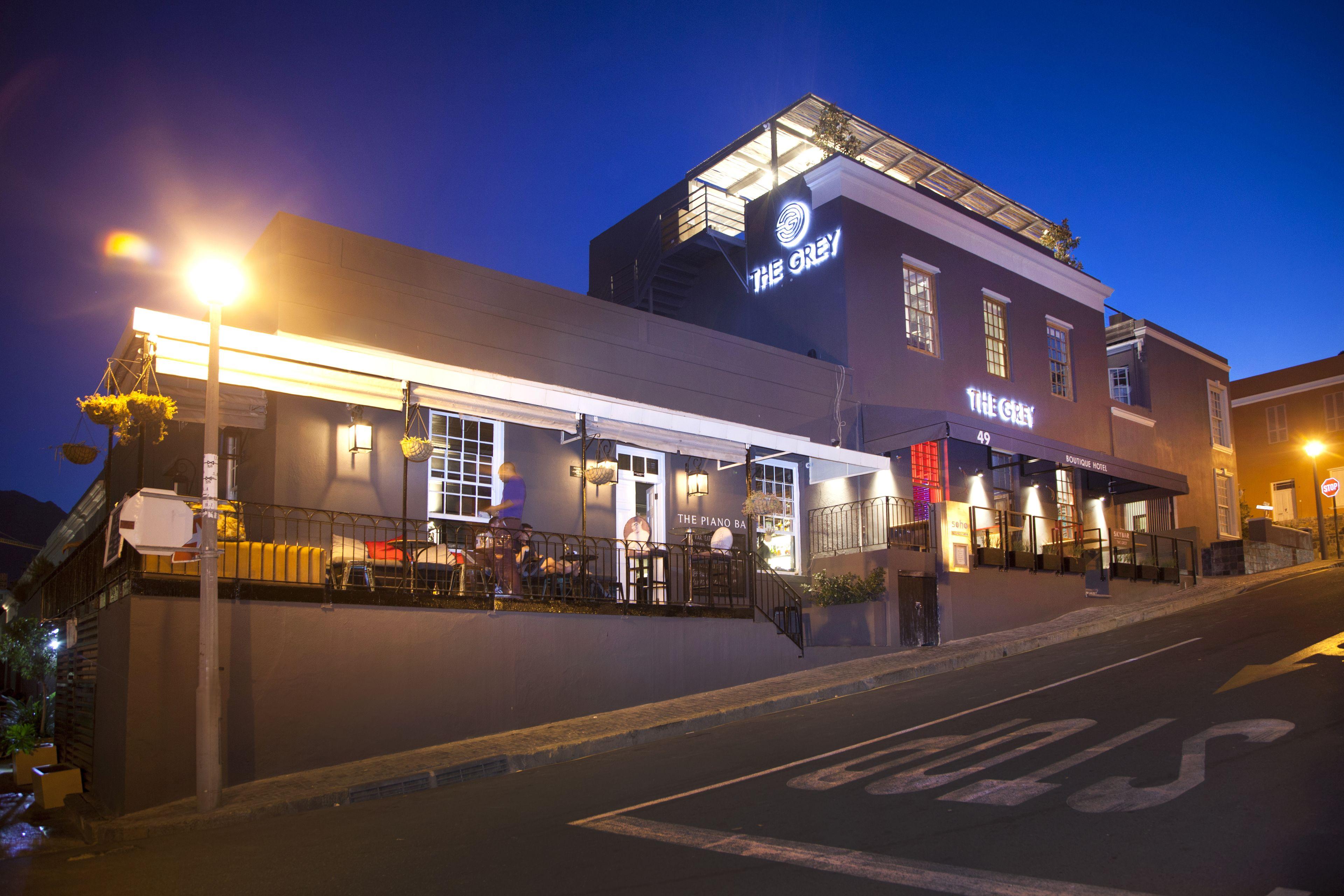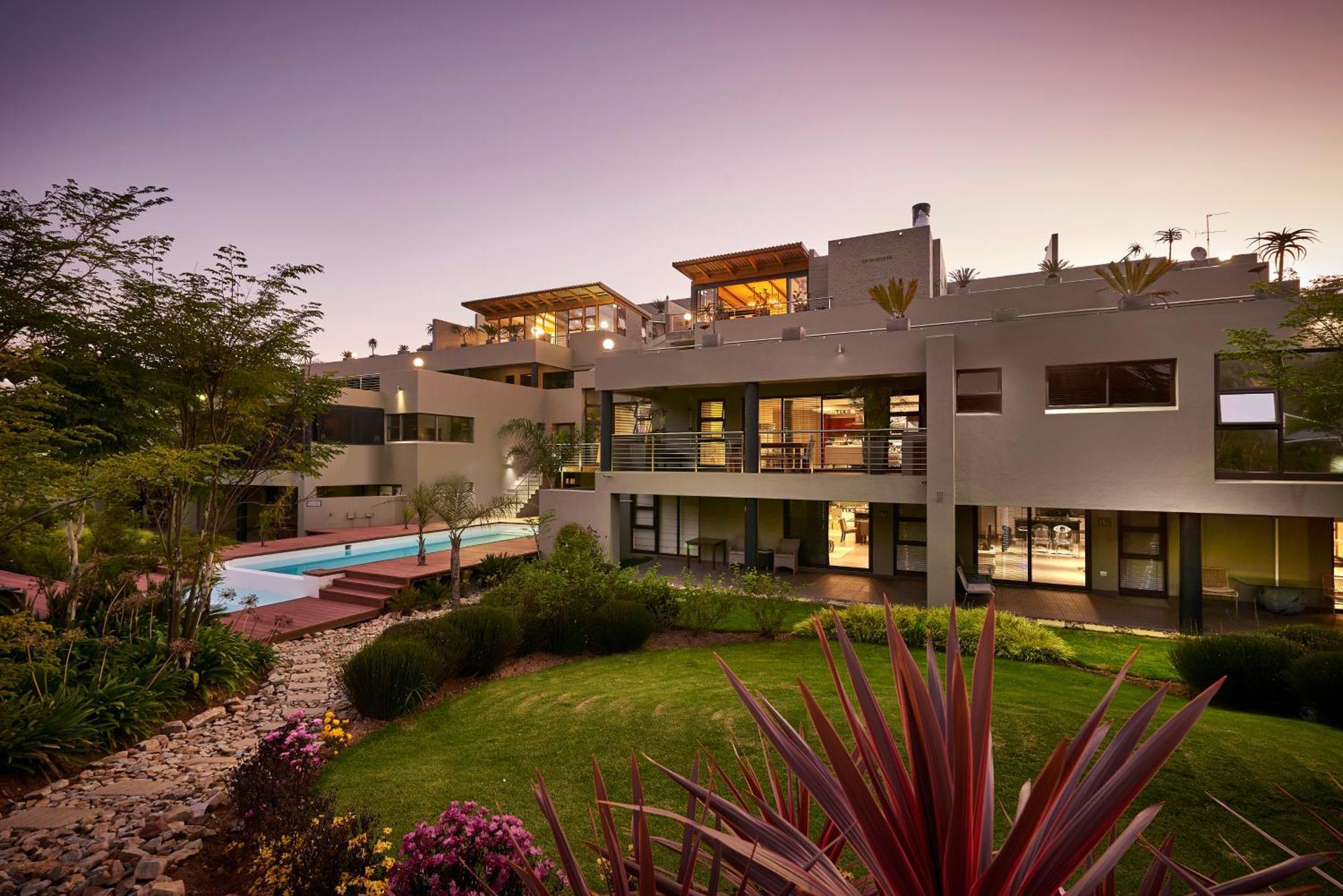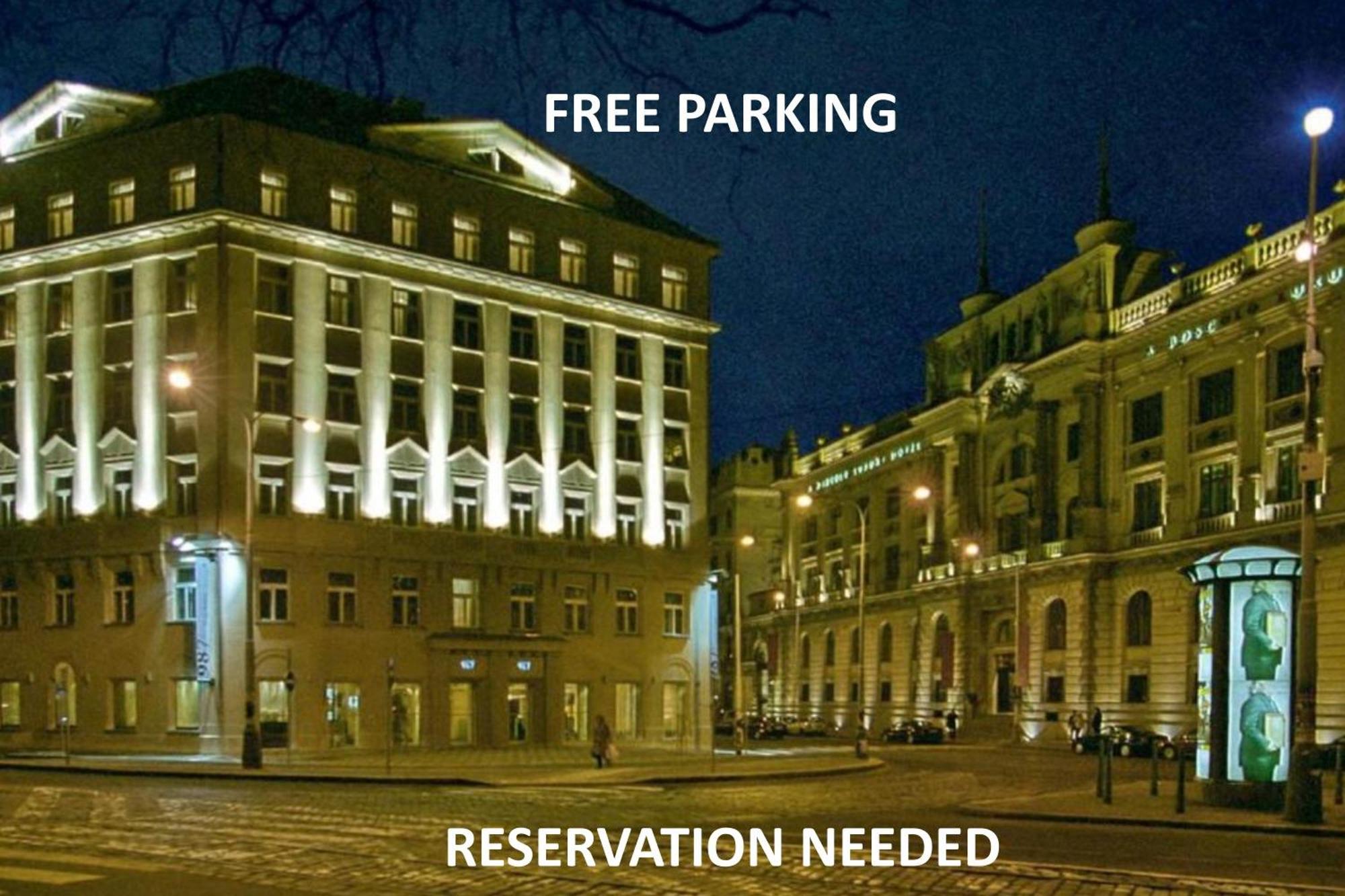
Cape Town's Central Business District has quietly become one of South Africa's most compelling places to base yourself, with a concentration of historically significant architecture, walkable cultural streets, and direct access to the V&A Waterfront corridor. This guide covers 5 boutique-style hotels in Cape Town CBD - from apartments overlooking Table Mountain to design-forward rooms on Greenmarket Square - helping you match the right property to how you actually plan to move through the city.
What It's Like Staying In Cape Town CBD
Staying in Cape Town's CBD puts you within walking distance of St George's Mall, Greenmarket Square, and the CTICC, while the V&A Waterfront sits around 5 km north - close enough for an Uber but too far to walk comfortably with luggage. The area runs on a strong business-day rhythm: mornings and middays are lively with commuters, market traders, and office workers, while some blocks quiet down significantly after 18:00, which shapes how you plan evening activities. Long Street, the CBD's most social artery, stays active well into the night and is a 5-minute walk from most central hotels, giving you nightlife access without being directly in it.
Safety varies sharply by block - the St George's Mall and Buitenkant Street corridor is well-patrolled and tourist-friendly, but straying several blocks east after dark requires awareness. Those prioritising walkability to cultural sites, convention events, or harbour access will find the CBD genuinely practical.
Pros:
- Walking access to Greenmarket Square, St George's Cathedral, and the CTICC
- Strong transport links including metered taxis, ride-hailing, and the City Sightseeing bus stops
- Significantly lower nightly rates compared to the V&A Waterfront or Gardens suburb properties
Cons:
- Street noise from early-morning deliveries and traffic is common in the central blocks
- Evening foot traffic drops sharply in the financial district zone, limiting walkable dining after 19:00
- Parking is tight and often paid - not ideal if you're road-tripping with a rental car
Why Choose Boutique Hotels In Cape Town CBD
Boutique-style hotels in Cape Town CBD tend to occupy heritage buildings or purpose-designed mid-rise properties that larger chains simply cannot replicate - think African-textured interiors, rooftop pools with unobstructed Table Mountain sightlines, and apartment-format rooms with full kitchens. Unlike the cookie-cutter business hotels clustered near the airport, properties in the CBD offer distinct design identities while keeping you inside the city's operational core. Room sizes in this category run noticeably larger than equivalent-price options in, say, Sea Point or De Waterkant, particularly in the apartment-hotel segment where separate lounge areas and dining tables are standard.
The trade-off is noise: buildings on or near pedestrianised streets like St George's Mall face morning market activity, and those on the Foreshore side deal with traffic from the N1 and N2 interchange. Properties above the 10th floor largely sidestep street-level noise while delivering the panoramic views this category is known for. Budget around 20% more than a basic guesthouse in the Southern Suburbs to stay in a well-positioned boutique CBD property, but you gain daily walkability that eliminates multiple taxi rides.
Pros:
- Distinctive interiors with African design elements not found in chain hotel equivalents
- Apartment-format rooms offer full kitchens and washing machines - practical for stays over 4 nights
- Rooftop pools and elevated gym facilities with Table Mountain views are a recurring feature
Cons:
- Street-facing rooms on lower floors can face consistent noise from 06:00 onwards
- Fewer intimate common spaces compared to boutique hotels in quieter suburbs like Gardens or Tamboerskloof
- Some properties have limited on-site dining options beyond breakfast, requiring you to leave for dinner
Practical Booking & Area Strategy
For the best micro-location within Cape Town CBD, properties on or directly adjacent to Greenmarket Square and St George's Mall offer the strongest walkability balance - you're within 10 minutes on foot of the Company's Garden, the South African Museum, and multiple City Sightseeing bus stops. The Foreshore strip closer to the CTICC and North Wharf is marginally less atmospheric but adds direct access to the Convention Centre and harbour views. Long Street positioning suits those who want evening access to bars and restaurants without relying on transport.
Cape Town's peak season runs from November through February, when the V&A Waterfront crowds push visitors into the CBD and rates spike by around 30%. Book at least 8 weeks ahead for any property with rooftop pool access during this window. The shoulder months of April, May, and September offer the strongest value - cooler but dry, and noticeably quieter streets. The City Sightseeing Red Bus has stops near Adderley Street and the CTICC, making it a practical way to reach Camps Bay, Kirstenbosch, and the Boulders Beach penguin colony without renting a car.
Best Value Stays
These properties deliver the strongest combination of central positioning, practical room features, and accessible nightly rates - each within walking distance of Cape Town's key CBD landmarks.
-
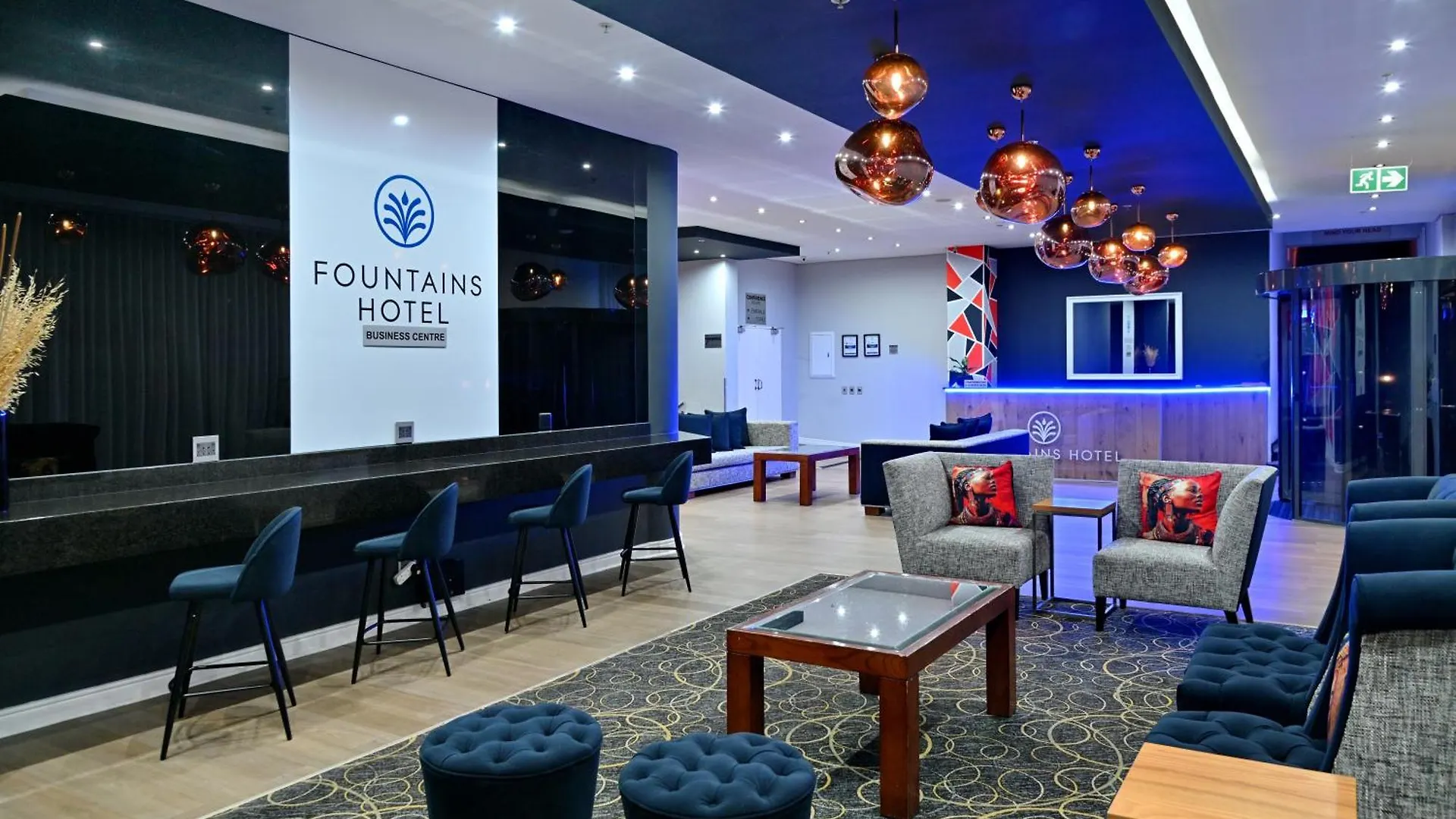
1. Fountains Hotel By Neighbourgood
Show on map


 Check-infrom 14:00 until 23:59Check-outfrom 04:00 until 11:00
Just a few rooms left at the best rate!
fromR 992
-
2. Onomo Hotel Cape Town - Inn On The Square
Show on map


 Check-infrom 14:00 until 23:59Check-outuntil 10:00
Just a few rooms left at the best rate!
fromR 768
-
3. Cresta Grande Cape Town
Show on map


 Check-infrom 14:00 until 23:59Check-outfrom 06:00 until 11:00
Hurry – almost gone at this price!
fromR 1104
Best Premium Stays
These properties offer elevated design, expanded facilities, or apartment-scale room formats that justify a higher nightly rate for travellers staying multiple nights or requiring more than a standard hotel room setup.
-
4. Protea Hotel By Marriott Cape Town North Wharf
Show on map


 Check-infrom 14:00 until 23:59Check-outuntil 11:00
Hurry – almost gone at this price!
fromR 2304
-
5. The Capital 15 On Orange Hotel & Spa
Show on map


 Check-infrom 14:00 until 23:59Check-outuntil 10:00
Rooms filling fast – secure the best rate!
fromR 1360
Smart Travel & Timing Advice for Cape Town CBD
Cape Town's CBD follows a clear seasonal pattern that directly affects both pricing and the quality of your stay. December and January are the peak months - the city fills with domestic and international tourists, rooftop pools are in constant use, and availability at well-reviewed boutique properties tightens several weeks out. If you're targeting a stay between December 15 and January 10, book at least 10 weeks in advance to secure the best room categories at reasonable rates.
April through early June is the CBD's most underrated window: the summer crowds have left, the Cape Winelands are in harvest season for day trips, and hotel rates drop noticeably without a corresponding drop in what the city offers. July and August bring the Cape's winter rain - short, sharp showers rather than all-day grey - and the CBD itself remains fully operational, though beach-adjacent activities become less viable. Three to four nights is enough to cover CBD walking circuits, a V&A Waterfront visit, and a half-day trip to either the Cape Peninsula or Stellenbosch; five nights allows for Kirstenbosch, Boulders Beach, and a winelands drive without feeling rushed. Last-minute deals in the CBD occasionally appear mid-week in May and June when business travel drops off, but relying on this strategy in peak season is a risk not worth taking.