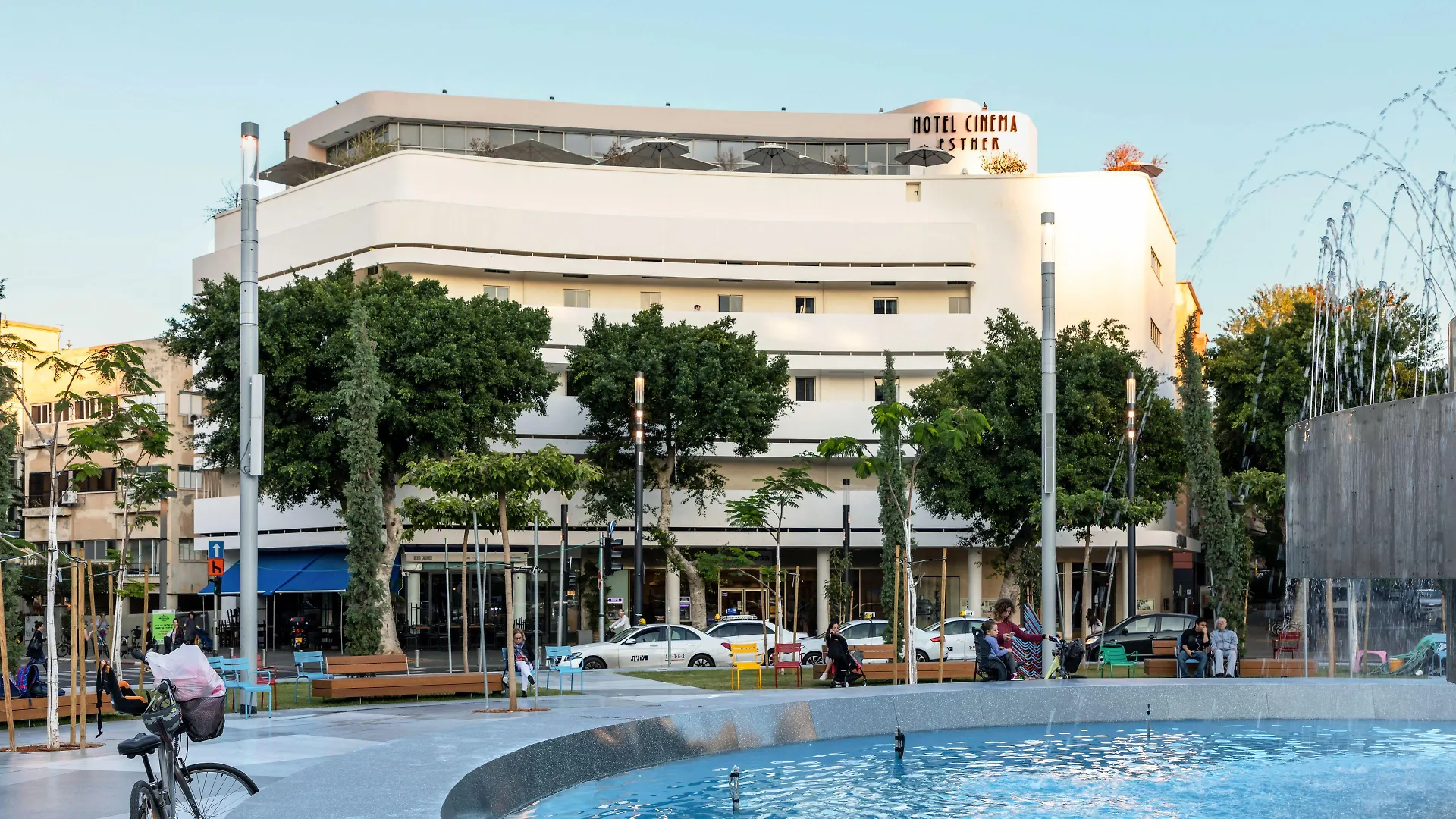
Tel Aviv City-Centre packs Bauhaus architecture, beach proximity, and a dense restaurant scene into a walkable grid that rewards guests who stay inside it. This guide breaks down the best boutique hotels in the area - what they actually offer, how they're positioned, and which suits your travel style and budget.
What It's Like Staying in Tel Aviv City-Centre
Tel Aviv City-Centre places you at the intersection of the White City's UNESCO-listed Bauhaus streetscape and one of the Mediterranean's most active urban beach strips. Gordon Beach is reachable on foot in under 15 minutes from most central addresses, and the Carmel Market, Rothschild Boulevard, and Dizengoff Square are all within a compact radius. The area runs on a rhythm of late mornings, busy café terroons, and a nightlife scene that stays loud on weekends - noise is a real factor when choosing your room.
The neighbourhood draws a mix of local professionals, design-conscious travellers, and short-break visitors who want urban density without being stuck in a resort corridor. If you need silence after 23:00 or large-format accommodation, staying slightly north toward the quieter residential blocks of Ramat Aviv may suit you better.
Pros:
- Walking access to beaches, markets, and the White City's architectural core without needing transport
- Dense concentration of independent restaurants, wine bars, and specialty coffee on streets like Dizengoff and Ibn Gavirol
- Central bus lines and Dan bus network connect you to Ben Gurion Airport and outlying areas within minutes
Cons:
- Street-facing rooms on Dizengoff and Ben Yehuda can be loud until midnight, especially on Thursday and Friday nights
- Parking is scarce and expensive - arriving by car adds friction
- Hotel prices in City-Centre run around 20% higher than equivalent properties in south Tel Aviv neighbourhoods like Florentin
Why Choose a Boutique Hotel in Tel Aviv City-Centre
Boutique hotels in Tel Aviv City-Centre consistently leverage the district's architectural identity - many are housed in original Bauhaus or early Modernist buildings from the 1920s and 1930s, which gives them a physical character that chain hotels in the same postcode simply cannot replicate. Room sizes in boutique properties here typically average around 22-26 m2, which is compact by international standards but offset by design quality, curated artwork, and individually styled interiors. Larger chain hotels nearby offer more square footage but generic finishes and none of the neighbourhood embeddedness.
The trade-off is real: boutique properties in City-Centre operate with smaller teams, which means fewer on-demand services late at night, limited gym facilities, and sometimes no pool. For travellers who spend most of their day outside and treat the hotel primarily as a well-designed base, this category performs best.
Pros:
- Architecturally distinct buildings that reflect Tel Aviv's White City UNESCO heritage - a tangible differentiator from standard hotel stock
- Staff-to-guest ratios tend to be higher, producing more personalised service for local dining and cultural recommendations
- Positioning inside the walkable grid means no transport cost to reach major sites
Cons:
- Room sizes are compact - travellers needing space to work or travelling with bulky luggage will feel the constraint
- Most boutique options in this district lack a pool, which is a genuine sacrifice in summer when temperatures exceed 32°C
- Smaller properties sell out weeks ahead during Jewish holidays and summer weekends - last-minute availability is limited
Practical Booking & Area Strategy
The strongest micro-location inside Tel Aviv City-Centre for boutique stays is the corridor between Dizengoff Square and Rothschild Boulevard - a stretch that keeps you within walking distance of the beach, the Carmel Market, and the restaurant density of Allenby Street without being directly on a high-traffic artery. Ben Yehuda Street sits one block from Gordon Beach and offers direct walking access to the marina, though its commercial foot traffic makes it noisier. Rothschild Boulevard itself is lined with trees and bike lanes, making it one of the more pleasant urban streets in the city for evening walks.
For transport, the Dan Bus Company's central routes run along Ibn Gavirol and Dizengoff, connecting City-Centre to the central bus station and northward to the Tel Aviv Museum of Art in under 10 minutes. Ben Gurion Airport is around a 20-minute drive by taxi or shared sherut. Book at least 6 weeks ahead for stays during Passover, Rosh Hashanah, or July-August - boutique inventory in this district is tight and prices spike visibly during these periods. The White City neighbourhood, Bauhaus Center on Dizengoff Street, and HaBima National Theatre are all walkable cultural anchors worth factoring into your itinerary.
Best Value Boutique Stays
These properties combine genuine boutique character with accessible pricing and strong positioning inside the City-Centre grid - suited to travellers who want design and location without paying a premium rate.
-
1. Cinema Hotel - An Atlas Boutique Hotel
Show on map


 Check-infrom 15:00 until 23:59Check-outuntil 11:00
Just a few rooms left at the best rate!
fromILS 841
-
2. Sea Land Suites - By Echo Hotels
Show on map


 Check-infrom 15:00 until 23:59Check-outuntil 11:00
Just a few rooms left at the best rate!
fromILS 359
Best Premium Boutique Options
These properties offer a higher tier of design, service, and architectural provenance - best suited for travellers where quality of the physical environment and on-site dining are part of the stay itself.
-
3. The Rothschild Hotel - Tel Aviv'S Finest
Show on map


 Check-infrom 15:00 until 23:59Check-outuntil 11:00
Hurry – almost gone at this price!
fromILS 505
-
2. Hotel Montefiore
Show on map


 Check-infrom 15:00 until 23:30Check-outfrom 02:00 until 12:00
Rooms filling fast – secure the best rate!
fromILS 1832
Smart Travel & Timing Advice
Tel Aviv City-Centre operates on two distinct seasonal peaks: the summer beach season running from June through August, and the Jewish holiday clusters in September-October (Rosh Hashanah, Yom Kippur, Sukkot). During July and August, boutique hotel rates in City-Centre rise by around 35% compared to spring shoulder months, and availability in smaller properties drops sharply by mid-June. The spring window of March through May offers the strongest price-to-experience ratio - temperatures are comfortable for walking the Bauhaus district, crowds are manageable, and restaurant bookings are easier to secure.
For Jewish holiday periods, particularly Passover in April and the High Holidays in autumn, book at least 8 weeks ahead - many boutique properties fill entirely from domestic Israeli travellers and diaspora visitors. A 3-night minimum stay makes sense for City-Centre: one day to cover the Bauhaus architecture circuit, Carmel Market, and Rothschild Boulevard; one day for beach time and Jaffa's Old City; one day for the Tel Aviv Museum of Art and Neve Tzedek. Winter months (December-February) are the quietest, with lower rates and an uncrowded city, though some rooftop terraces close and beach culture is dormant.